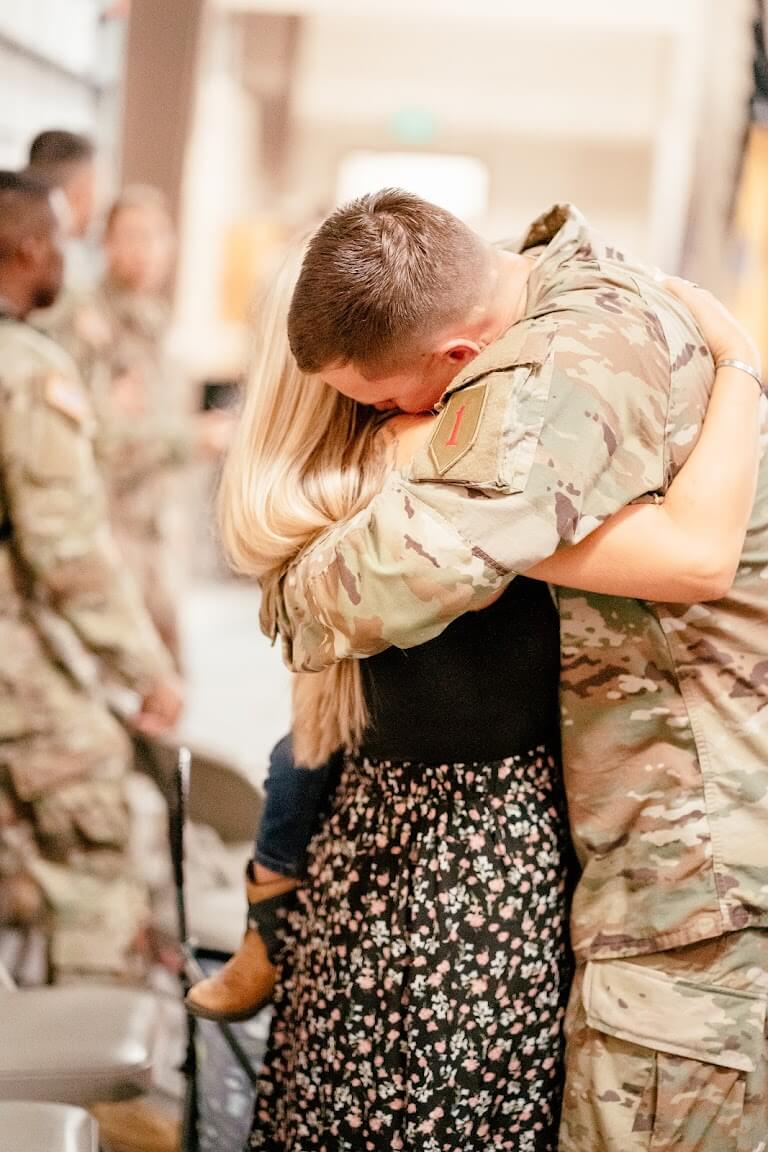



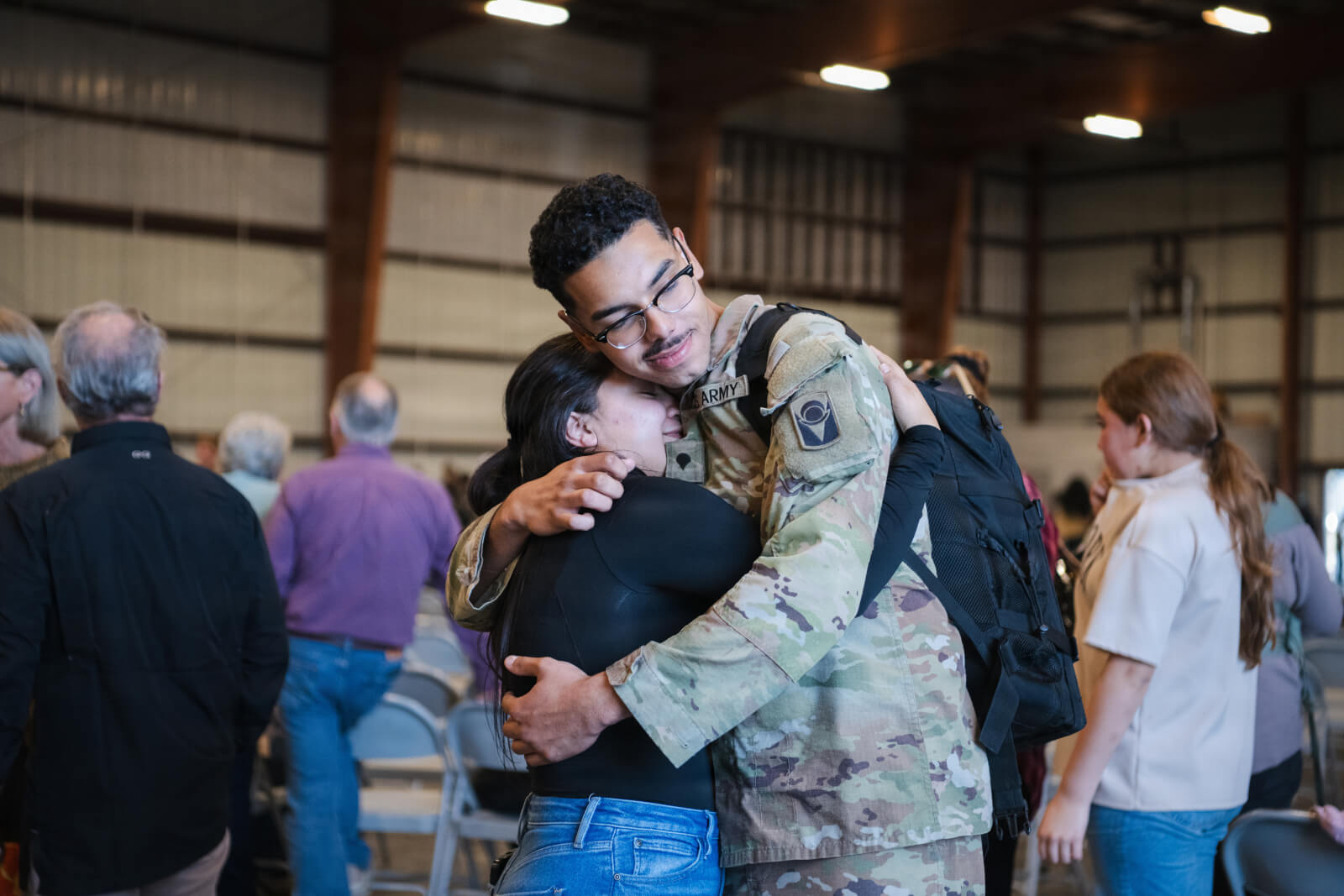
For some families, deployment preparation is happening faster than expected right now. If that’s you, take a deep breath: preparation doesn’t have to be perfect to make a real difference. Military life has its fair share of difficult seasons, but deployment sits near the very top of that list. In the military community, we often say “embrace the suck,” a reminder that once the orders are cut, there’s no way around it. It’s happening. When someone you love is about to leave for months at a time, the countdown begins, and the rhythm of your home can shift overnight under the weight of all the unknowns ahead.
But here’s the most important thing I want you to hear: you are stronger than you realize and you will get through this season.
The very fact that you’re seeking advice and preparing ahead of time already tells me you’re setting yourself up to handle this season better than you think.











I remember our first deployment vividly. I didn’t know what I didn’t know — and honestly, I didn’t know much! Looking back, I wish someone had pulled me aside and said, “Hey, let me walk you through this.” So consider this your hand-hold from someone who has been there before.
Here are the things that matter most.
Get paperwork in order
Before the deployment begins, make sure your administrative and legal ducks are in a row. A Power of Attorney (POA) is one of the most important documents to have in place — and no, it’s not only for worst-case scenarios.
Sometimes the need is much simpler. I once lost my military ID while running errands and suddenly couldn’t get back on post to pick up my kids from daycare. Without a POA, replacing that ID would have been nearly impossible while my spouse was deployed.
Make sure you also have access to everything you may need to manage while they’re gone: bank accounts, logins and any apps tied to your household finances. And those impeccably timed random vehicle inspections at the gate? You’ll want easy access to your insurance cards and policies. Ask me how I know.
Take an hour to double-check the boring but critical details: confirm your DEERS information is updated, ID cards aren’t about to expire, and beneficiaries (SGLI and any life insurance) reflect what you’d want if the unthinkable happened. Build a simple “break-glass” binder with copies of orders, POAs, insurance cards, emergency contacts, and your Military Family Care Plan.
Make a financial plan
Before deployment, make sure you schedule a hot-date night where you sit down together and tell your money where to go. Deployments can come with extra pay, like Family Separation Allowance, but you’ll feel far steadier with a plan.
Create a simple budget that covers bills, savings and a little margin for help: babysitters, childcare or convenience meals when life gets overwhelming. A budget means freedom: you’re making decisions ahead of time instead of reacting under stress.
Have honest conversations with your kids
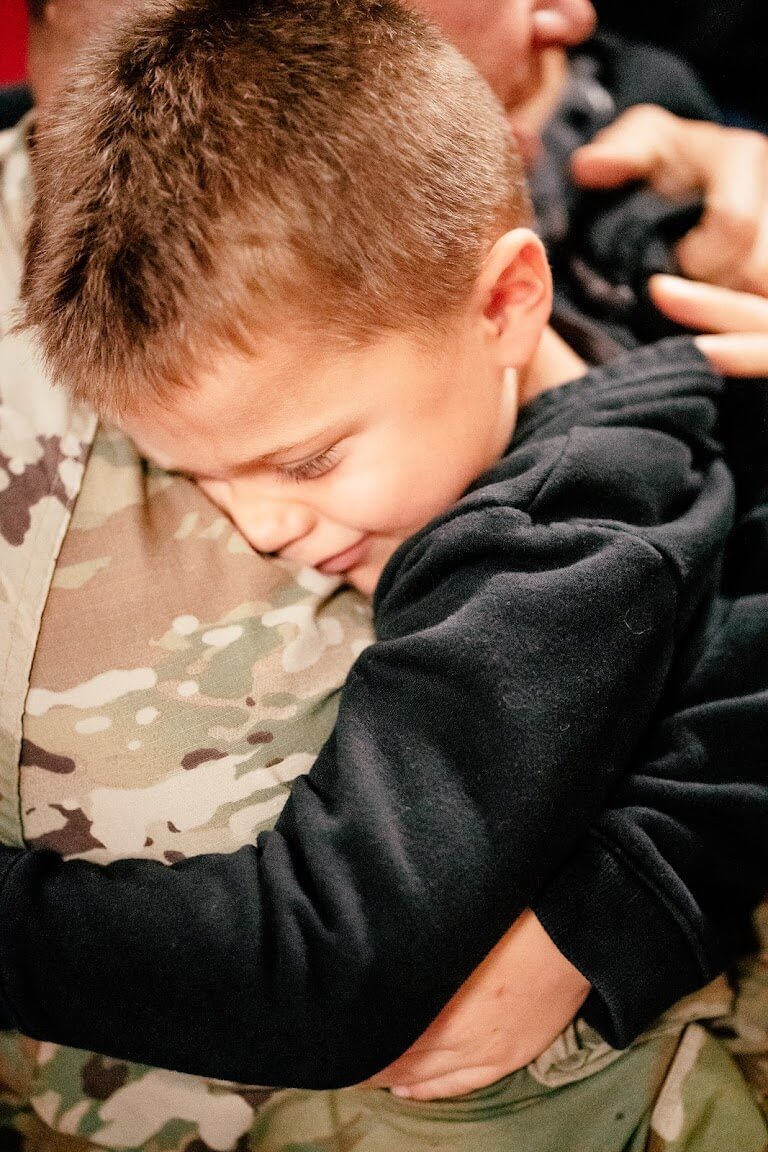
Deployment is a huge adjustment for children. Even if they can’t fully explain their feelings, they can sense when something important is coming and things are changing.
The goal isn’t to hide your emotions, it’s to lead with transparency and steady strength. Sometimes that means saying the quiet fears out loud and meeting them with truth: “This will be a hard season for our family, but we’re going to get through it together.” That calm honesty helps ease their nervous systems and allows them to co-regulate, borrowing your calm until they find their own.
Talk through what life may look like while their parent is gone and how you’ll stay connected, even across time zones. And if your child struggles more than expected, Military and Family Life Counselors (MFLCs) are an incredible support resource.
Build your support system early
One of the biggest mistakes families make is waiting until deployment begins to look for support. Build your village before you need it.
Get to know your neighbors. Exchange phone numbers. Identify community groups you might plug into once your spouse leaves, whether that’s a playgroup, faith community, gym class or a book club. You don’t have to jump into everything right away — just have options ready for the harder days, because the harder days will come.
And remember: to have a village, you have to be a villager.
Prepare for the emotional rollercoaster
Once deployment begins, you can’t get off the ride halfway through. The best preparation is understanding the stages of grief: denial, anger, bargaining, sadness and acceptance. Many military families cycle through those stages — many times — during deployment.
Being separated from someone you love is a form of loss, and it’s normal to feel those waves of deep sadness, but you can’t let them take you under.
Navigating a deployment builds a type of resilience you can’t find anywhere else. It will stretch you, challenge you, and show you just how capable you really are.
And if you ever find yourself wondering whether you’re strong enough for this life, remember this: you already are.
Military families have been navigating seasons like this for generations — and we get through them together.