

Army veteran James Espinoza has been out of the military for nearly three decades. But in many ways, he still feels like he’s in transition.
“I found that the transition process is just a lifelong thing,” said Espinoza, CEO of American Freedom Consulting. “Even though I remember getting out of the military and feeling like I could accomplish anything.”
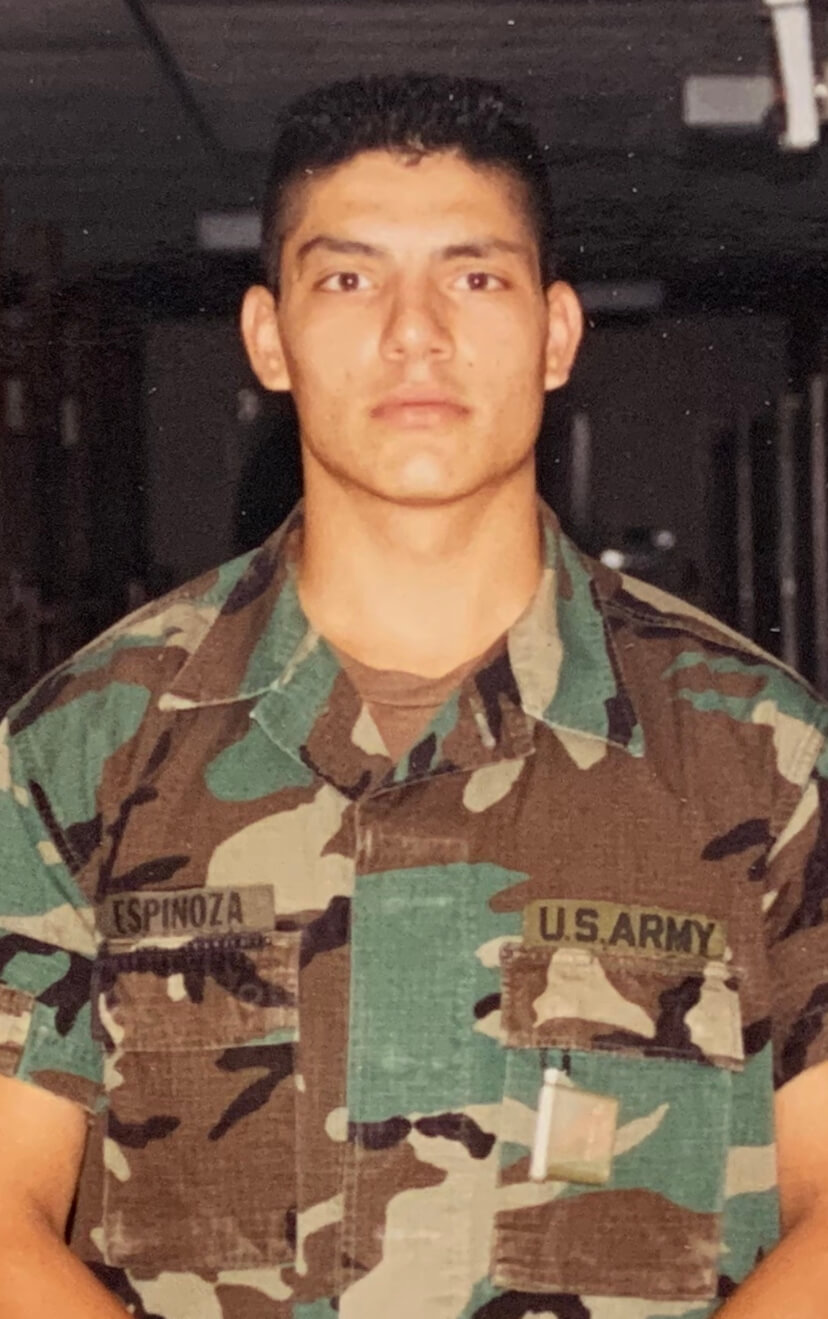
He was prepared for civilian life on paper, having completed the necessary out-processing. But he quickly realized he still had to prove himself in the civilian world and found himself wishing he had joined the National Guard or reserves. That cultural chasm only became more apparent when he went to college.
Then, in 2018, Espinoza’s older brother, retired Army Lt. Col. Pedro R. Espinoza II, died by suicide — and Espinoza became convinced that being unprepared for life after the military was partially to blame.
“His transition was very rough,” said Espinoza, who cited gaps in his brother’s employment, service-connected trauma, chronic pain and a sudden disconnect from a broader purpose as evidence.
Espinoza’s new life mission became clear: provide transitioning troops with practical tools to help prevent suicide and navigate unexpected aspects of leaving the military.
He founded a nonprofit, the Veteran Mentor Project Inc. (VMPI) in 2021, with a focus on five necessary “pillars” in veterans’ lives: mental, physical, financial, relationship and career wellness.
“We’re not killing ourselves when we’re at appointments, when everything is stable — it’s that in-between space,” he said. “It’s like, ‘Who can help me culturally transition back into the civilian world?’ That’s how I came up with the idea to develop my mentoring program, to be a sounding board for people.”
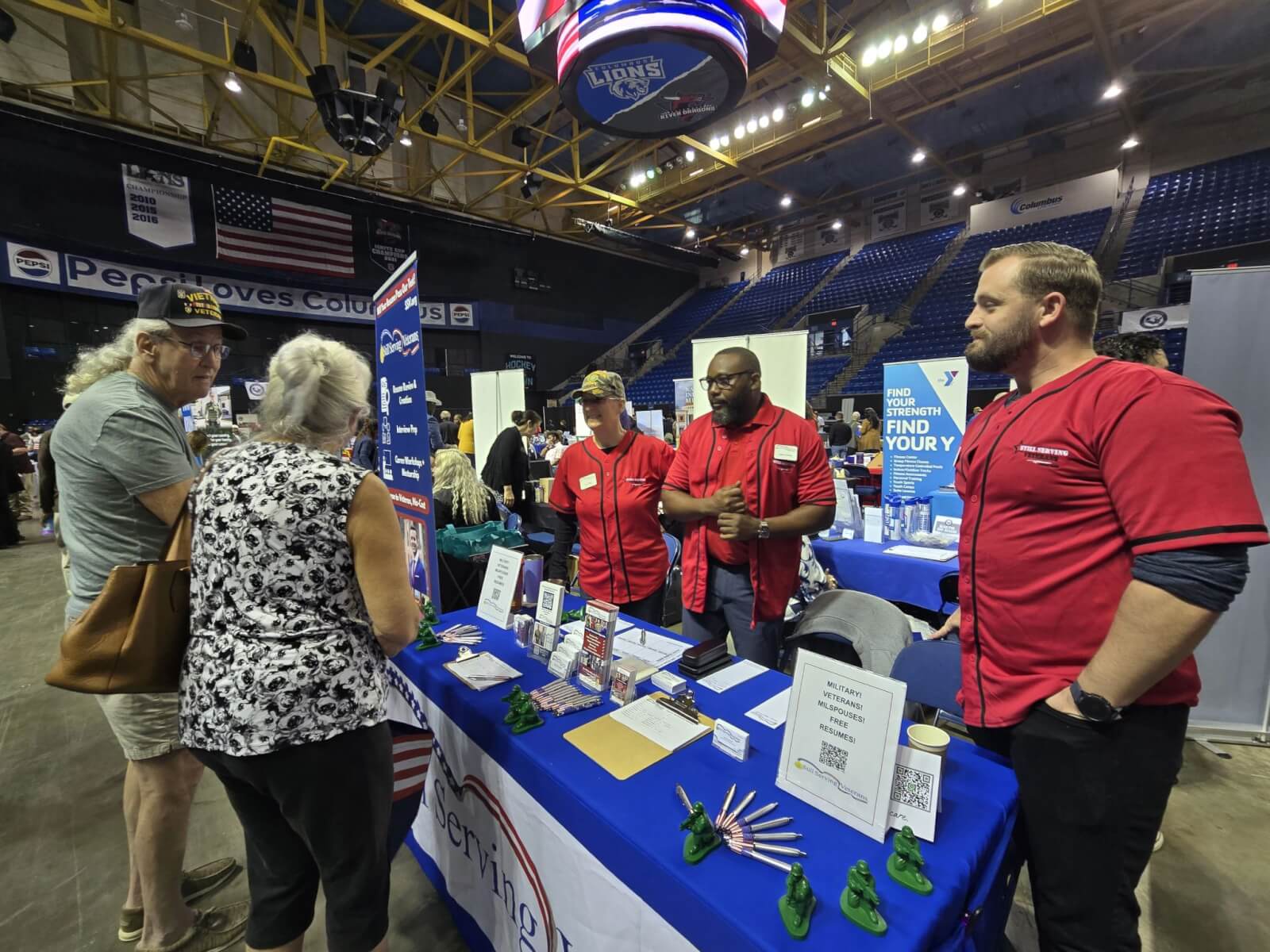
That’s exactly what fellow Army veteran Daniel Dougherty loves about his job as a veteran career and transition counselor at Still Serving Veterans (SSV), an Alabama-based nonprofit.
“It might sound cliché, but the one thing I’m passionate about is being able to help veterans and military family members find their jobs,” said Dougherty, a former brigade plans officer. “The look on their face or the happiness they feel when they get a new job — it’s incredible.”
Dougherty and Espinoza both suggest that service members start planning sooner than they think is necessary and not to go it alone.
Espinoza recommended 24 months.
“What I see is people wait too long and start too late,” he said. “It gives you the space and time to do it correctly, and with some patience, even make a pivot if you want a different career direction.”
Dougherty, meanwhile, said he’s a proponent of networking because it can make the transition easier.
“Maybe it won’t be someone securing a job for you, but you need to talk with someone who’s gone through the same transition so you’re not alone,” he said.
That could look like reaching out to a nonprofit like SSV or the VMPI.
“Humble yourself and accept that setting up a support system before leaving service would be helpful,” Espinoza said.
Also, ask yourself whether or not you want to continue your military job in the civilian world, then research the certifications or educational degrees needed to make the switch.
Other practical steps include researching insurance plans and factoring their costs into your budget, making a checklist of tasks with deadlines, and polishing your resume and interview skills.
But beyond those, both men said to prepare for the invisible changes — questioning whether leaving the military was the right choice, loss of a community, change in daily and yearly schedules, sudden stop in travel and a “new set of rules” the world will expect you to play by.
Espinoza recommended including family, or a faith community if you have one, in the transition process.
“You’re going to go through changes you’re not aware of, even though you might feel put together,” he said. “And familial happiness is important.”
Above all, believe that a successful switch is possible. Just as you succeeded in the military, you can do the same out of uniform.
“Speaking from experience, it’s difficult when you transition out of the military to put all the pieces together,” Dougherty said. “But there are so many of us waiting to ease that burden.”
Visit VMPI to learn more about mentorship opportunities, and Still Serving Veterans for details on veteran transition programs.
Read comments