


Between kindergarten and high school graduation, the average military child will attend six to nine schools. These frequent educational changes can result in significant disruptions and anxiety for students and their families, especially when the services, rigor and support at each school can vary so widely. It’s not surprising, then, that, according to a 2025 report by Johns Hopkins School of Education studying data from 2023-2024, 12% of military families choose to homeschool their children — twice the rate of civilian families. While often stigmatized and misunderstood, homeschooling provides stability and unique opportunities for creativity and exploration.
Homeschool offers stability
The greatest challenge of military life for many families is the constant and unpredictable moves, but homeschooling offers a rare sense of stability for students. Navy spouse Brooke Shambley’s son is starting his senior year as a homeschooler.
“Homeschooling was essential for our family to keep continuity of education, since with our moves, we would have been in seven different school systems,” she explained.























Whenever and wherever they’ve moved, Shambley has been able to continue the popular Classical Conversations homeschool program, and she has always found “another Classical Conversations community to join who were doing the same program with classes studying the same information.”
While change can be stressful for neurotypical children as they work to establish routines in a new environment, change can be especially disruptive and anxiety-provoking for neurodiverse students. Tricia Mahlau-Heinert, a Coast Guard spouse, spent 24 years homeschooling her four children as well as multiple foster children. She said that, without the stability of homeschool, her oldest “would have had over a dozen transitions in curriculum, social groups, and IEPs to manage.”
Mahlau-Heinert couldn’t control where and when the military sent her family, but her choice to homeschool meant that “their education and family routines remained a constant.”
Bringing learning to life
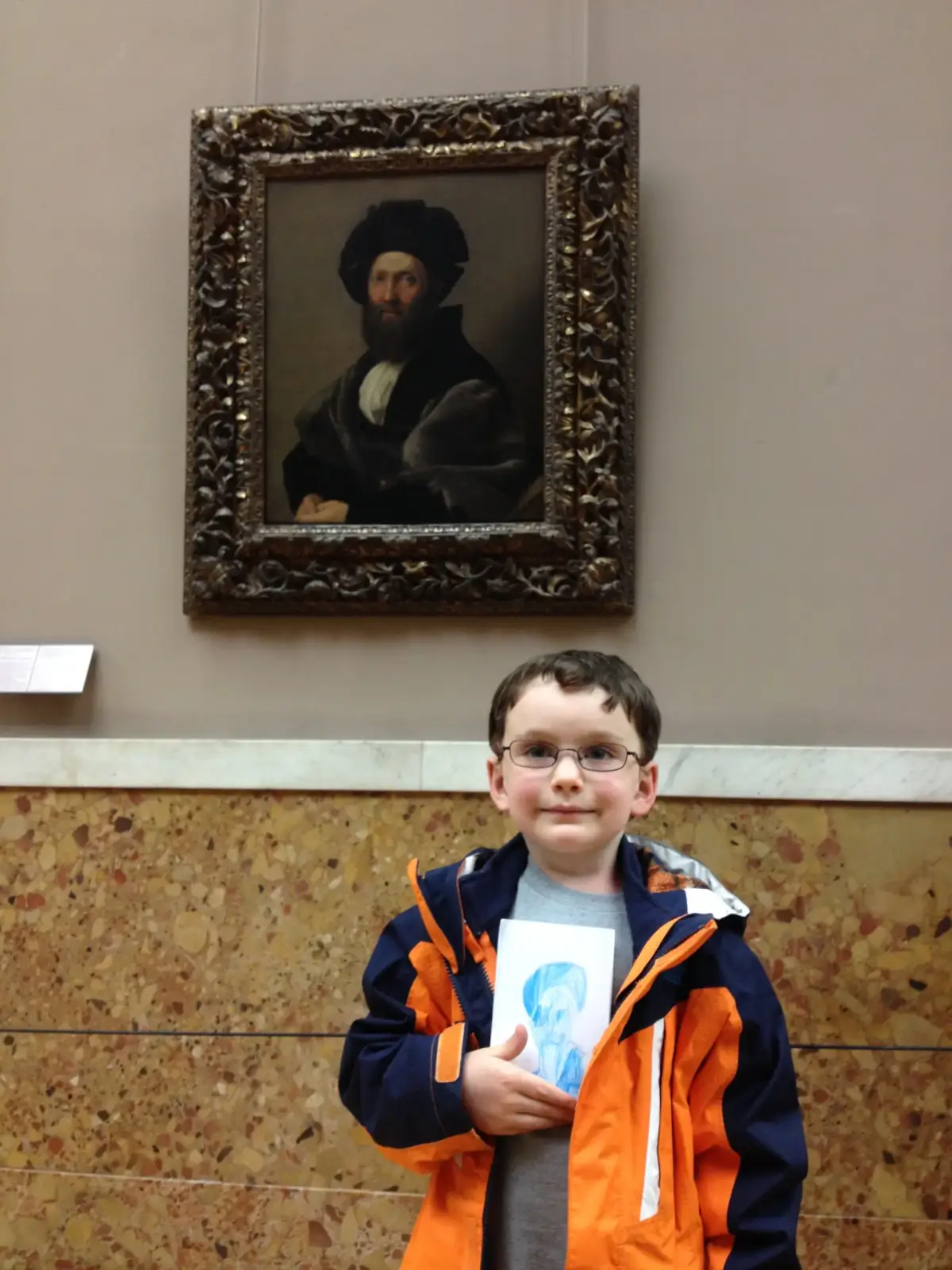
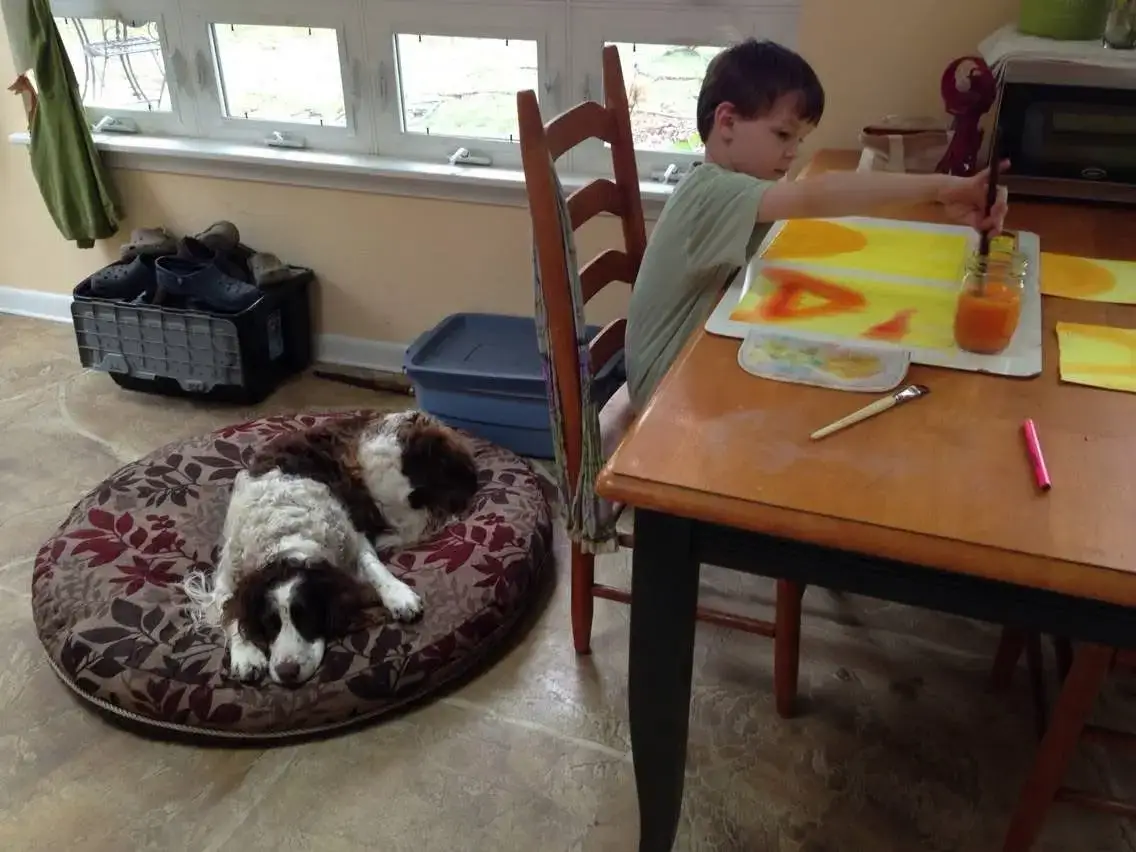
Just because it’s called homeschooling doesn’t mean that all lessons happen inside your house! Many military families enjoy that homeschooling’s flexibility lets them take full advantage of their duty stations. Lesilee Franklin Du Fresne, a mother of five who has been homeschooling for 14 years, works to incorporate real-world, exploratory learning into all her children’s subjects.
“We’ve explored the places where we lived, visited historical sites and museums, studied the environment around us, learned about local cultures, and incorporated those experiences into our lessons,” she said.
How to start
After homeschooling for seven years in Japan and Virginia, Marine spouse Amanda Adams believes the key to starting a successful homeschooling journey is community.
“Find maybe two moms who are just a couple steps ahead of you, who are similar to you, and whose kids are similar to your kids,” she recommended. “Ask for their recommendations. Don’t ask a million people for advice— there is too much out there, and it is overwhelming!”
She’s right; there are countless textbooks, curriculums, online courses, blogs, Facebook groups, and in-person groups filled with information, both on and off base. Your search can be narrowed by thinking about your family’s values and your “why” for homeschooling each student. What works for one student may not work for another, and each subject may need a different approach; homeschooling affords you the flexibility to mix, match and customize.
Because every state has different requirements, it’s important to research their reporting standards. Some states require that you create a portfolio of work, others have testing requirements and some have required courses for specific grade levels or for graduation. Websites like Homeschool Starter can help you to generate letters of intent and build curriculum that aligns with your state’s requirements.
How to socialize
It’s a common misconception that homeschoolers are isolated and lack social interactions with their peers; in fact, many homeschoolers have more varied opportunities to interact with other children and adults through community and co-op activities. Co-ops are organizations that offer classes, extracurricular activities and resources for homeschooling families. Mahlau-Heinert especially loved the on-base co-op community in D.C.
“We had 100 kids in two PE classes weekly, full drama productions supported by the O-Club, and a huge assortment of classes, clubs, field trips and parent support programs,” she said.
If you’re interested in starting your homeschool journey, research local co-ops and contact the Military Homeschoolers Association. Finding a mentor and a supportive group to turn to for guidance can make all the difference.