



When “The Terminal List” premiered on Prime Video in 2022, it arrived as something rare in military entertainment: a story that didn’t flinch. James Reece’s grief was real, his methods brutal, and his war against the system that destroyed his family felt earned by everyone who had ever come home to find the world rearranged without them.
Season 2 goes wider. Reece (played by Chris Pratt) moves from the California coast to Mozambique to the corridors of European intelligence, and the show shifts from revenge thriller to global conspiracy. But the people who built it want you to know the heart hasn’t moved an inch.
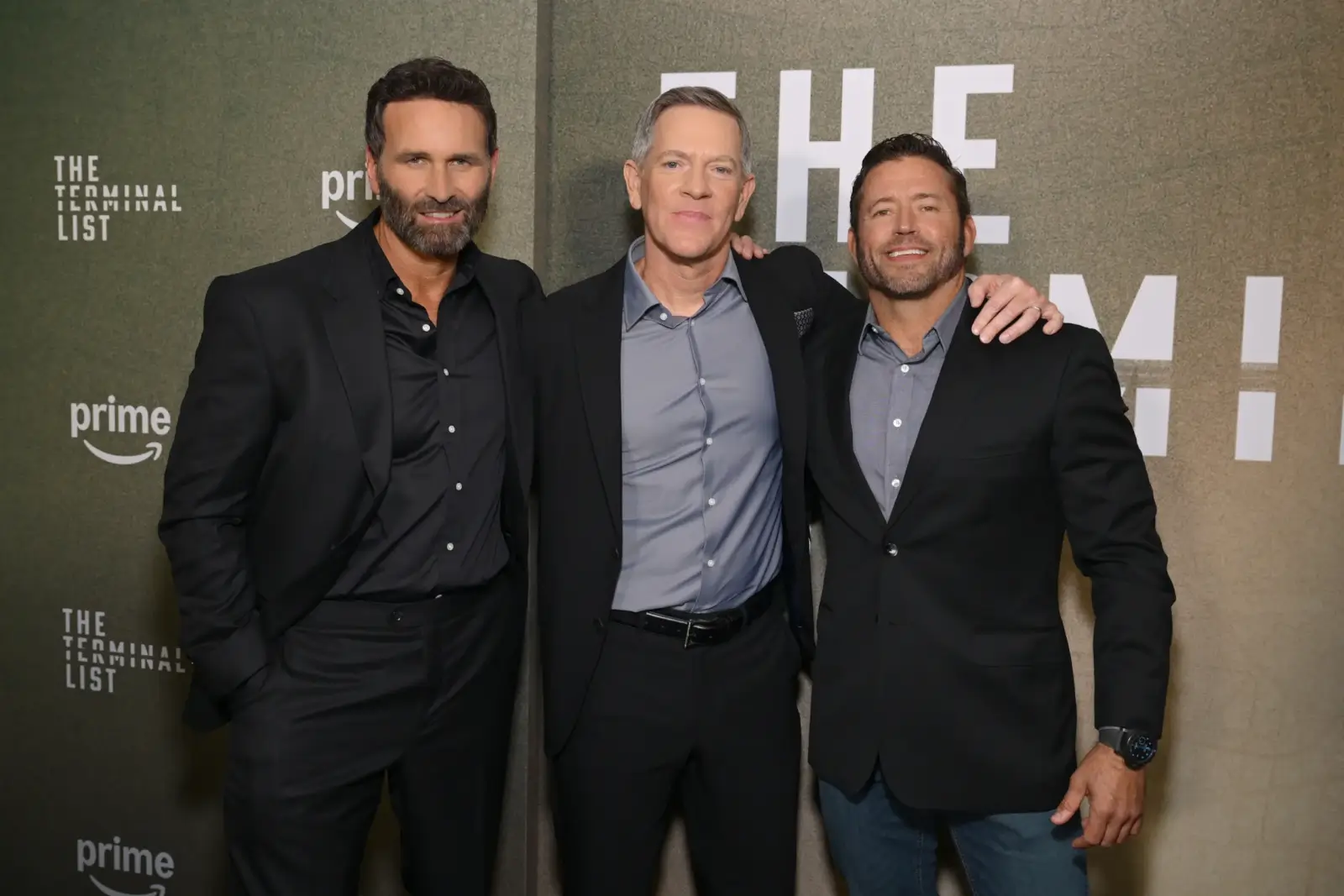
I sat down virtually with author Jack Carr, showrunner David DiGilio, and technical adviser and former Navy SEAL Jared Shaw to talk about what that expansion means for military families who’ve been watching from the beginning.
























Learning to live again
For Carr, the jump to Season 2 wasn’t just a storytelling opportunity; it was an obligation.
“The James Reece of ‘The Terminal List’ is not the same James Reece of ‘True Believer,'” he told me. “He’s on a journey, just like all of us are.”
That journey takes Reece somewhere unexpected before the espionage begins: Mozambique, working a counter-poaching operation, learning what it means to exist in the world again after the destruction of season one. It’s a quiet before the storm, and Carr was deliberate about it. He didn’t want a sequel that simply relocated the same story.
“I needed to give James Reece time to learn to live again,” he said. “I couldn’t just drop the same story in Germany.”
Shaw connected that emotional reset to something families at home will recognize.
“In Season 1, it’s foot on the gas. He’s just moving the whole time. Going into Season 2, Reece actually lives with it for a bit. We see the emotional toll that those kinds of acts take on a person.”

The 80/20 rule
DiGilio, who runs the writers’ room, credits the show’s military credibility to a ratio Pratt coined during season one: 80% authenticity, 20% Hollywood.
“Our military and special operator audience sees tactics they’ve used downrange. They see the emotional mindset. They see warrior poets reflected in these characters. That’s what creates the tie into the action through character,” he said.
The 20% is pure story engine. In real operations, there’s more waiting, more planning, more stillness than any eight-episode season can hold.
“So we use story to maintain momentum, and character and authenticity to ground the audience in the action. That’s the secret,” DiGilio explained.
Shaw, whose job on set is to catch anything that breaks the 80%, says the best proof of how well that system works is how rarely he has to intervene.
“It starts with Jack’s book, then into the writers’ room, then the whole team doing everything we can to get it right on the page before it ever hits set. There are always small things to tweak, but usually it’s fine details, not overhauls,” Shaw said.
The families back home
Military Families Magazine exists for the readers who aren’t in the frame — the spouses keeping the home operational, the kids growing up counting deployments. Season 2, the panel told me, is thinking about them.
“The thing that roots Reece as a character is his connection to family,” DiGilio said. Through what the show calls “conflations” — where Reece’s timelines fold back on each other. Lauren and Lucy still exist in Season 2. New this season are memories of Reece’s father, a fellow veteran with a complicated legacy.
“The idea of multi-generational military families is at the heart of this show,” DiGilio went on.
Shaw pointed to Freddy and his family as the season’s most direct tribute to the home front.
“There’s always an emphasis on the operators going downrange. Not often do you see the family waiting for them: the wife keeping the home locked down, getting the kids to school, keeping everything together. Those are a lot of times the unsung heroes. I think we can shine a light on that this season.”
What lands
I asked each of them — carefully, given the spoiler stakes — which moment they most hoped would land for military families watching at home.
Carr kept it close to his chest, but the weight behind his answer was unmistakable. “There are some heavy emotional moments that those who have served, and those who are spouses or family members of someone who has, will recognize. They’ll feel it.”
DiGilio pointed to a gesture Reece makes toward a military family late in the season. “It’s in the book, and we knew from about four years ago we had to keep it in the show. That moment in particular is going to land.”
Shaw didn’t name a scene; he named a purpose. “I hope military families, veterans, and everybody connected to that community can feel the effort we put in to get it right. To make them feel seen and heard. That’s what we’re going for.”
For a show built on the premise that some things are worth fighting for, that might be the only answer that matters.
“The Terminal List” Season 2 is streaming now on Prime Video.