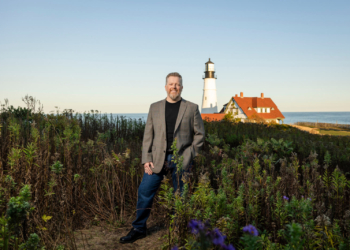



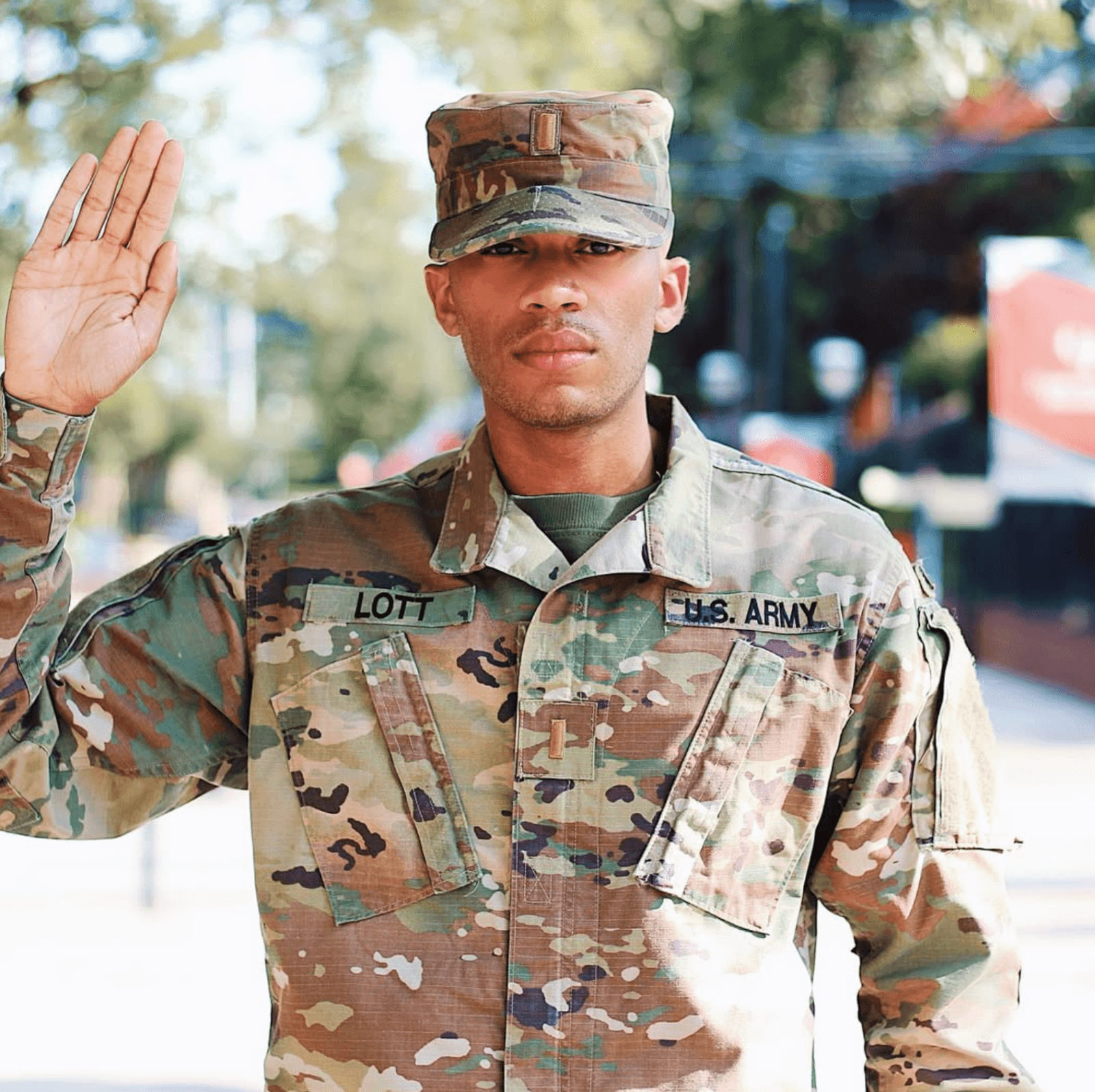
As a kid, Requan Cornelius Lott, who goes by Quan Cornelius on social media, said he didn’t know much about his dad and stepmother’s dual military service other than seeing them in uniform.
Even so, after he joined the 1% of Americans serving in the military through his college ROTC program, they both opened up about their experiences in the U.S. Navy. Years later, those conversations made him more comfortable sharing his own perspective.
“I spent a lot of time in college not being vocal about me being in the military, because I wasn’t around a lot of people that were in the military,” he said. “I think now it’s nice, it’s good to see people talking about it, and being vocal about their experience in the military — [sharing] different ways to navigate the VA system or adjusting to life after getting out.”
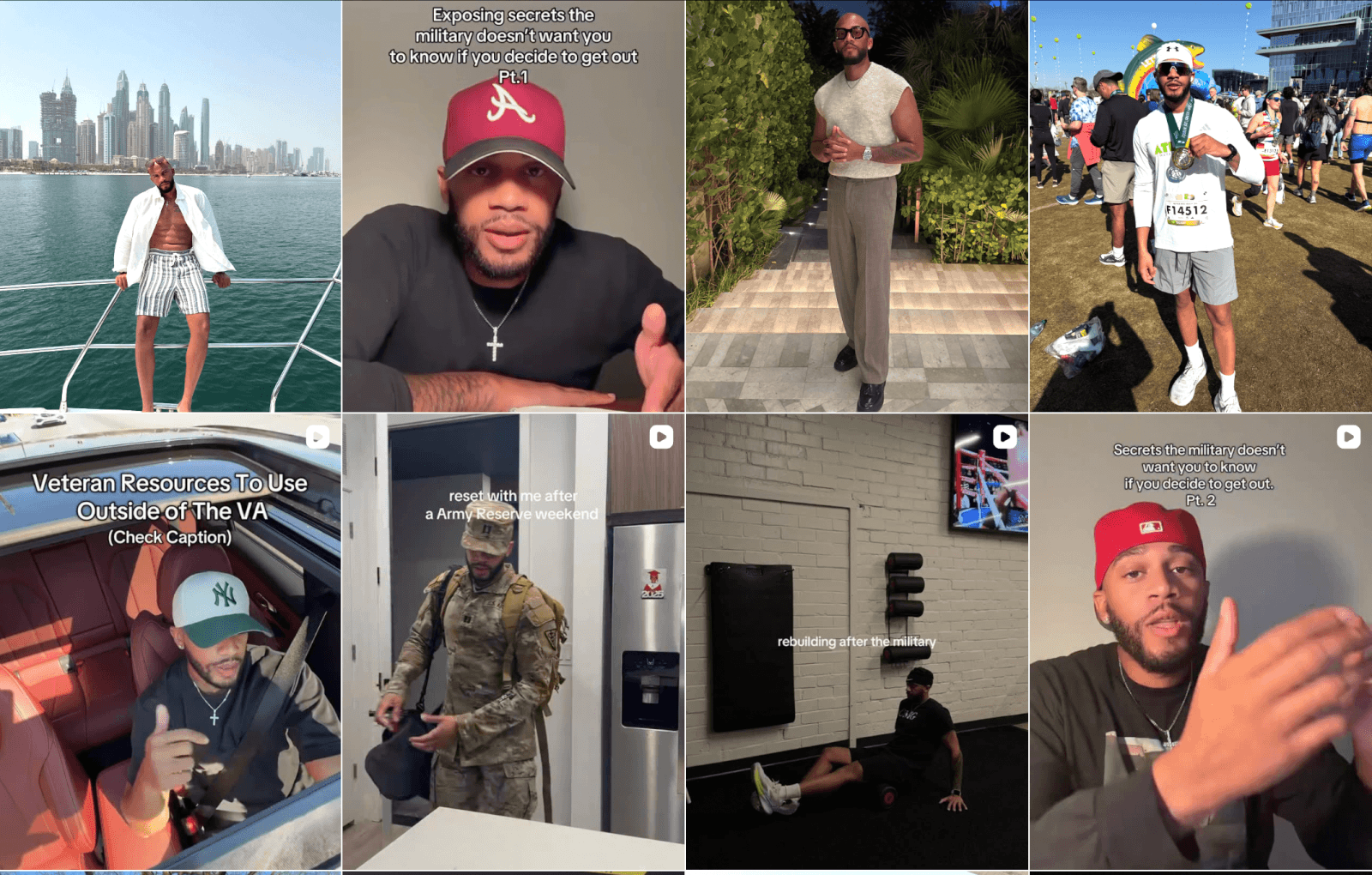
Cornelius, who currently serves in the Army Reserve, is a content creator boasting more than 15K followers on TikTok.
“I really want people to feel seen through the content I make,” he said. “Just their experience being a veteran or transitioning to civilian life and knowing they’re not the only one that has to go through that. That there’s more people out there just like them.”
The Hinesville, Georgia-native is a federal employee in the Office of Communication for the Department of Veterans Affairs (VA), and shares tips to help transitioning service members and veterans like him. In one popular video, “Exposing secrets the military doesn’t want you to know if you get out,” Cornelius discusses healthcare, going back to school, and even multiple income streams compared to millionaires. His caption explains that if there are benefits out there, he makes sure to know about it, and that he doesn’t gatekeep information.
One piece of advice he shared with Military Families Magazine is to begin disability claims before exiting the service. Cornelius said that if they remain in the reserves, the VA will merely deduct the soldier’s drill days from their disability check.
“People were kind of misinformed that they didn’t know they could drill and collect disability,” Cornelius said.
Creating his own ‘team’ on social media
Starting off his social media journey as a viewer, he said there was one single video he watched that showed life after the military. From that, he was inspired to focus on his own military transition and then chose to add to the collection that encouraged service members along the way.
“Once I was getting out of the military … it’s like you’re leaving a part of the team in the military,” Cornelius said. “It feels selfish to a sense, and it feels wrong. At least, that’s what the unit I was in made it feel like.”
Instead of seeing a light at the end of his transition tunnel, Cornelius felt the emptiness of leaving his team behind.
“I was so involved with the mission and didn’t want to not be a part of the team,” he said.
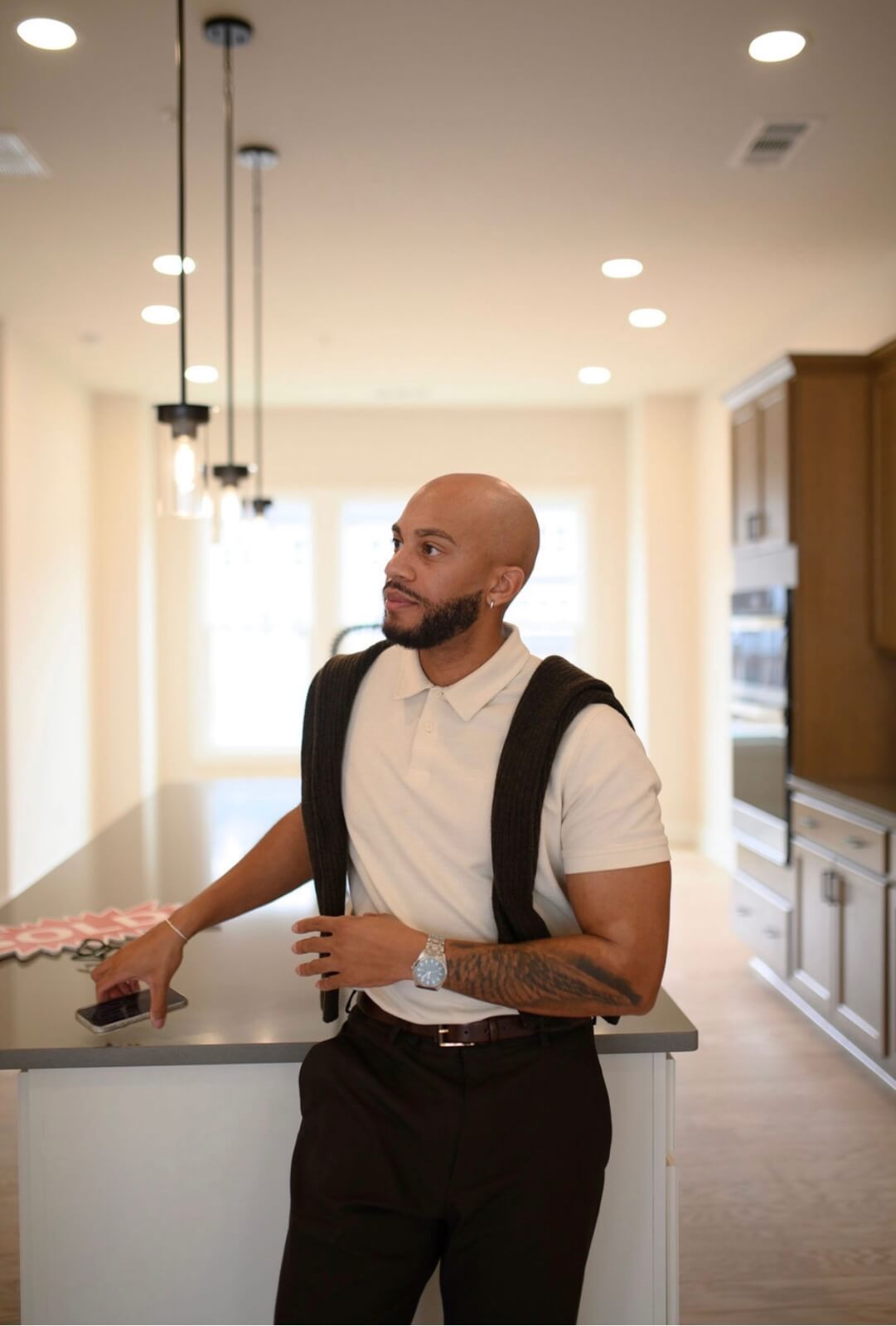
Now he’s making sure others don’t feel that way by building a community online. When he realized his platform was helping other veterans, he began walking his viewers through everything from “being grown” and chasing a career outside of the military to purchasing a house. Most importantly, however, Cornelius levels with his viewers, addressing topics others may not talk about.
“The identity shift and trying to find what it is I’m going to do now with my time, now that I’m not in the military, that’s what I try to depict on those videos,” he said.
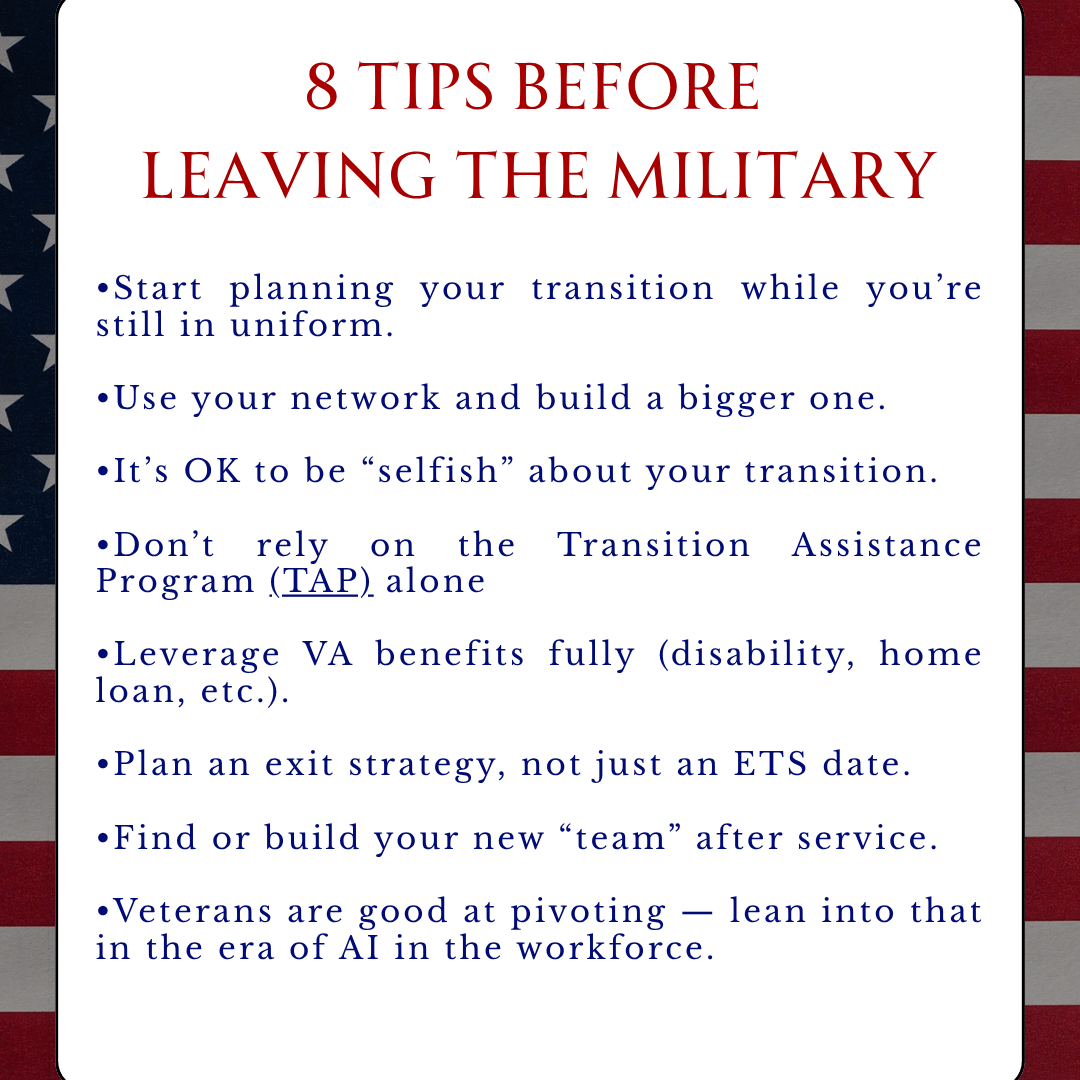
Follow Cornelius for more veteran transition tips.
Read comments