


Each year, approximately 200,000 service members leave the military and begin the journey to civilian life, according to the U.S. Department of Veterans Affairs. For many, this is more than a career change; it’s a shift in identity, community and purpose.
Recent studies suggest that 44% to 72% of veterans experience high levels of stress during this transition. Challenges can include difficulty securing employment, strained relationships with family or colleagues, adjusting to the pace and structure of civilian life and even legal issues. This transition stress is not just uncomfortable; research shows it can contribute to mental and physical health challenges, including suicidal ideation.
Start the clock early
One of the most common misconceptions is that transition starts the day a service member leaves the military. In reality, the most successful transitions begin well before separation. Building networks, identifying post-service goals, exploring education or training opportunities and involving family members early all help create stability when the change comes.













The power of local
National programs play a vital role, but they can’t replace the tailored, on-the-ground support that local communities provide. Local communities are uniquely positioned to fill the gaps by offering support that is immediate, personal and tailored to the individual. That could mean connecting a veteran to a trusted employer, introducing them to a faith group or sports league, or helping their children settle into a new school. These touchpoints build a network of belonging that can make all the difference and can keep a veteran from feeling adrift.
Measuring the right outcomes
If our only metric for success is employment, we’re missing the point. A veteran who has a job but feels isolated and disconnected is still at risk of a rocky transition. Success means being part of something again: a team, mission and community that values their contributions beyond military service.
Everyone has a role
Helping service members thrive in civilian life is not the job of one agency, nonprofit or employer. It’s a shared responsibility. Employers can learn to interpret military experience rather than overlook it. Neighbors can extend invitations into community life that go beyond “thank you for your service.” Veterans can mentor others making the journey, offering the kind of real-world guidance that can’t be found in a handbook.
The uniform may come off, but the call to serve never truly ends. By making transition to civilian life a coordinated, community-wide effort, and by addressing both visible and invisible challenges, we can ensure veterans are not only surviving the change but building lives of purpose and belonging.
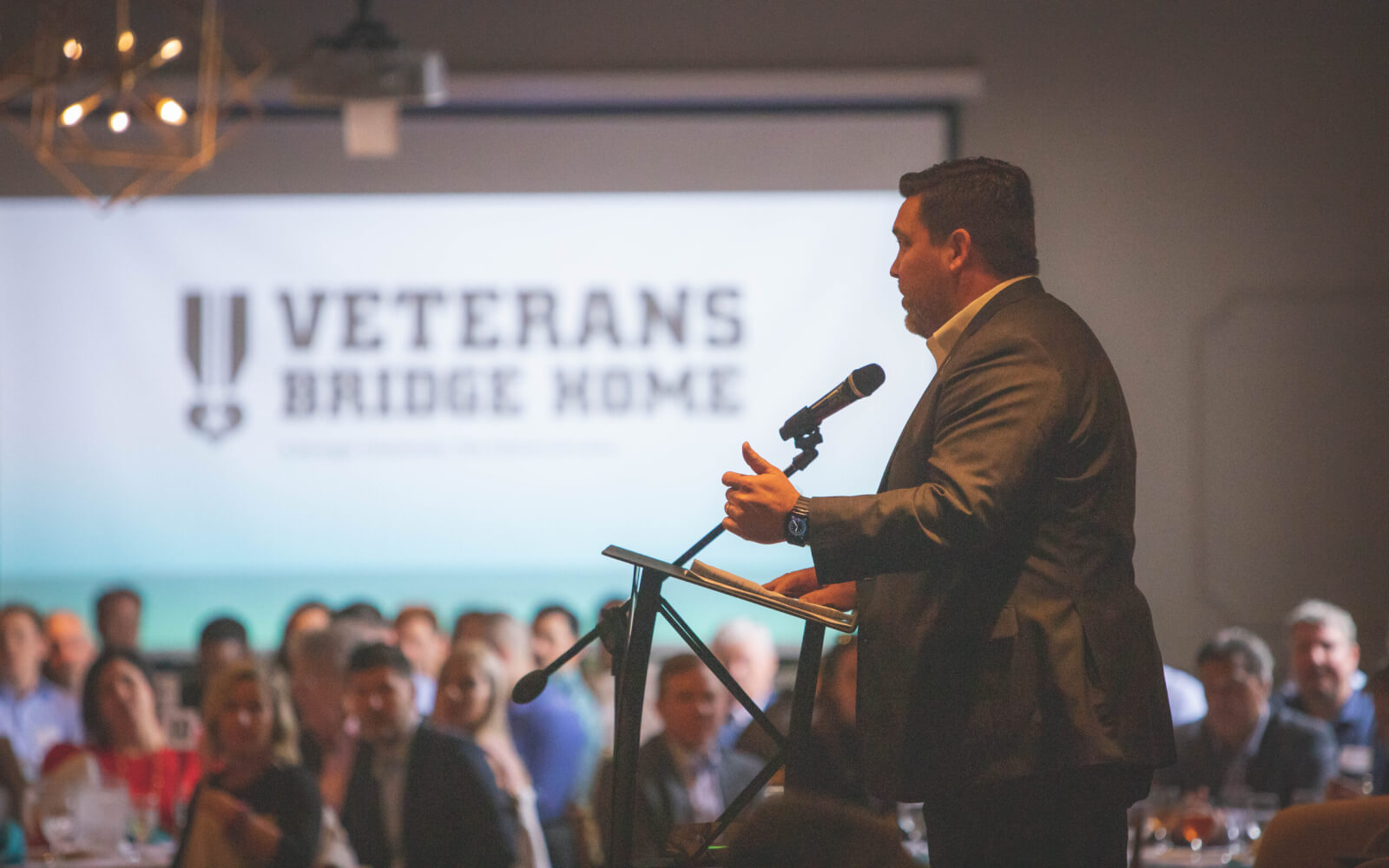
Blake Bourne serves as the executive director for Veterans Bridge Home, a nonprofit dedicated to connecting, leading and advocating for veterans and their families. He served in the U.S. Army as an infantry officer for six years, leaving at the rank of captain and was stationed in Georgia, Germany and North Carolina, and deployed to Iraq twice.