

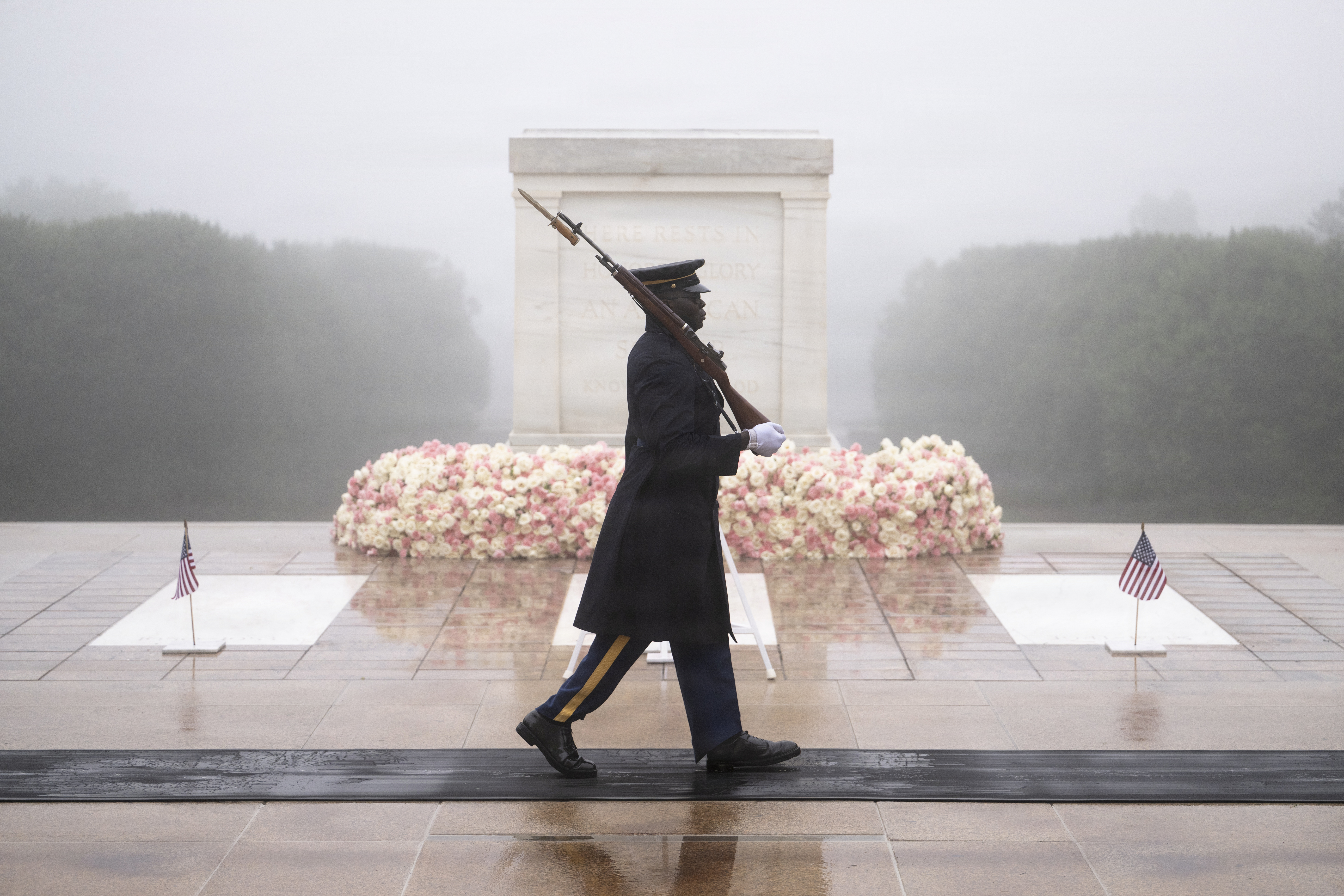
Crisp footsteps, metal soles tapping across granite. Precise rifle maneuvers as one sentinel relieves another of their solemn duty. The Changing of the Guard at the Tomb of the Unknown Soldier at Arlington National Cemetery (ANC) is the most famous ceremonial responsibility of the U.S. Army’s 3rd Infantry Regiment, colloquially known as The Old Guard.
The goal of every sentinel — enlisted infantrymen who wear no rank so as not to potentially outrank the unknowns within the tomb — is “honoring America’s fallen, representing them in the best way possible, and upholding that standard of perfection to honor them every day,” said Spc. Cole Ortman, who has been a tomb guard for more than a year.
But standing guard at Arlington is not the only role played by members of The Old Guard. The 3rd Infantry Regiment is tasked with many ceremonial and honorary duties, including escort to the president. They conduct honor arrivals for foreign dignitaries, full honor reviews for retiring soldiers and Army leaders, standard and full honors funerals at Arlington, and dignified transfers at Dover Air Force Base.






















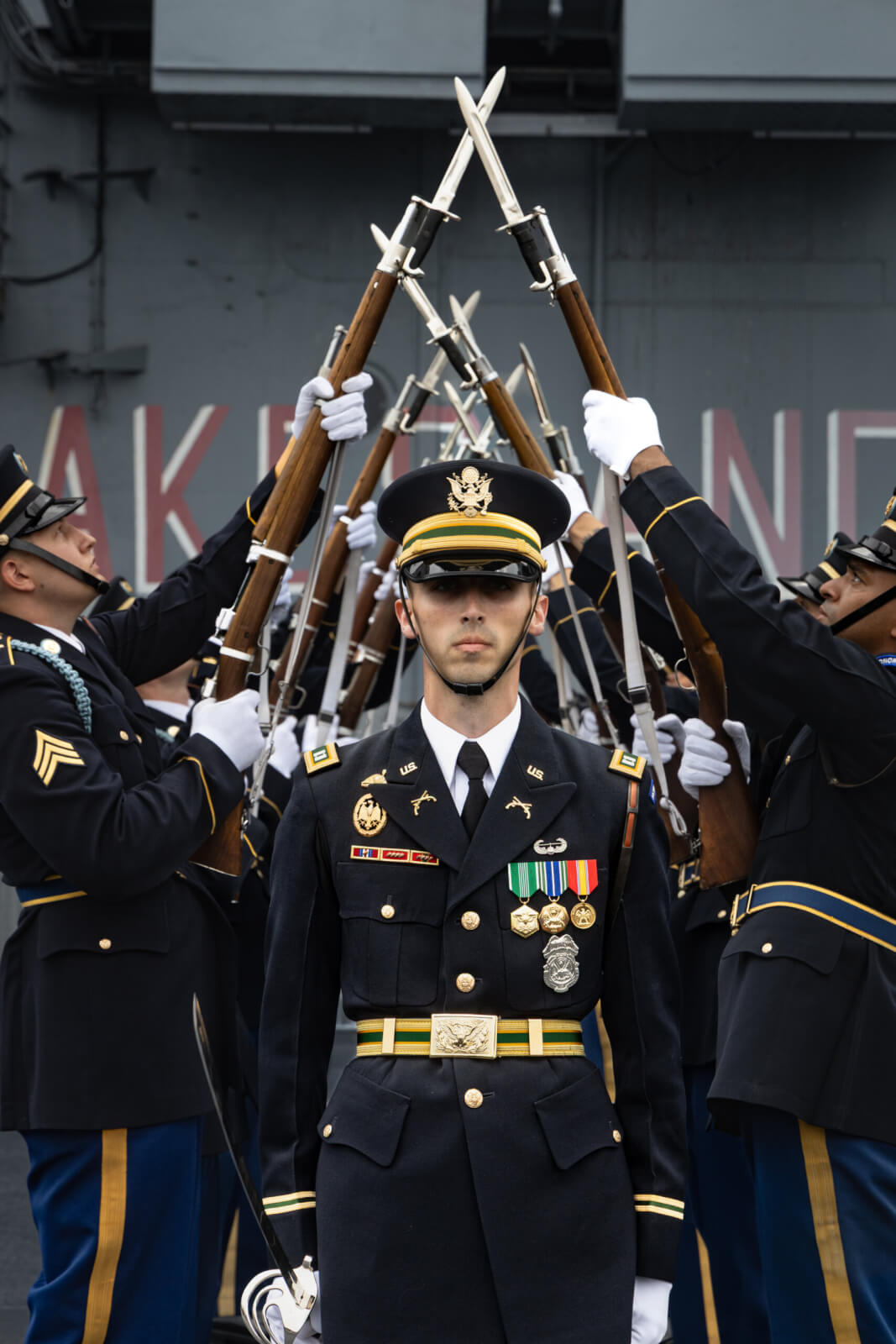
Special ceremonial units include the U.S. Army Drill Team, the U.S. Army Caisson Platoon that pulls the horse-drawn wagon bearing the casket at military and state funerals, the Continental Color Guard that presents the nation’s colors at events in the Capital Region, and The Old Guard Fife and Drum Team that performs traditional marching music while wearing red-coated uniforms and white powdered wigs.
The Old Guard is the oldest active regiment in the Regular Army, dating back to 1784. To recognize this history, the unit replicates the personal guard of Gen. George Washington in the form of the Commander-in-Chief’s (CinC) Guard. They support general officer retirement ceremonies, state arrivals, and the presidential inauguration. Clad in blue coats and tricorn hats, the CinC Guard also performs live black powder demonstrations using period accurate muskets at Washington’s home at Mount Vernon on President’s Day and Washington’s birthday.
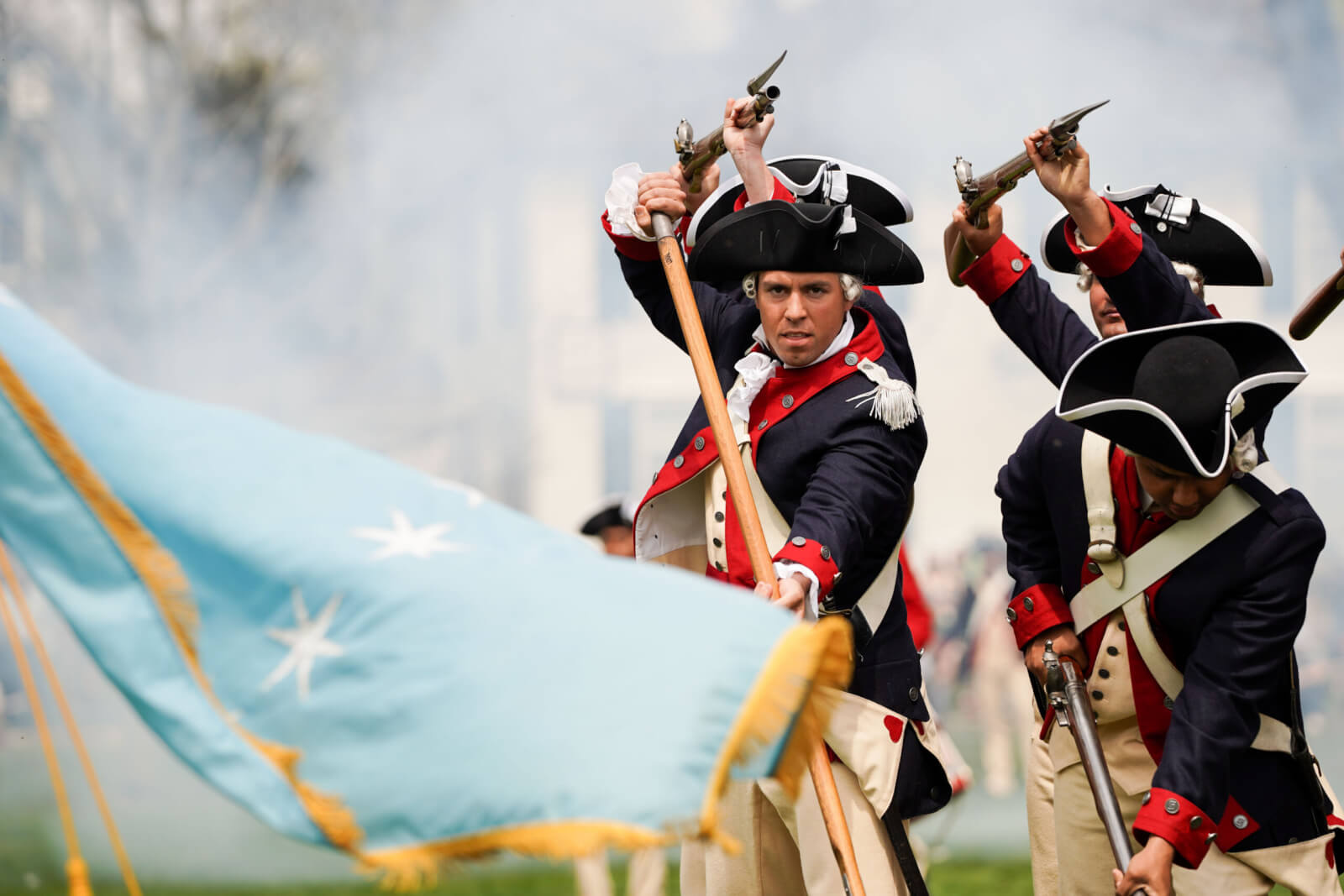
“At first you’re like, oh my gosh, I can’t believe I’m playing dress-up,” said Maj. Zachary Ricketts, who is currently the operations officer for the Regiment, and spent his initial unit assignment in the CinC Guard. “But when you see the bigger picture, we are the link for the American people to our roots, where we came from. It’s super cool to me to carry on that legacy.”
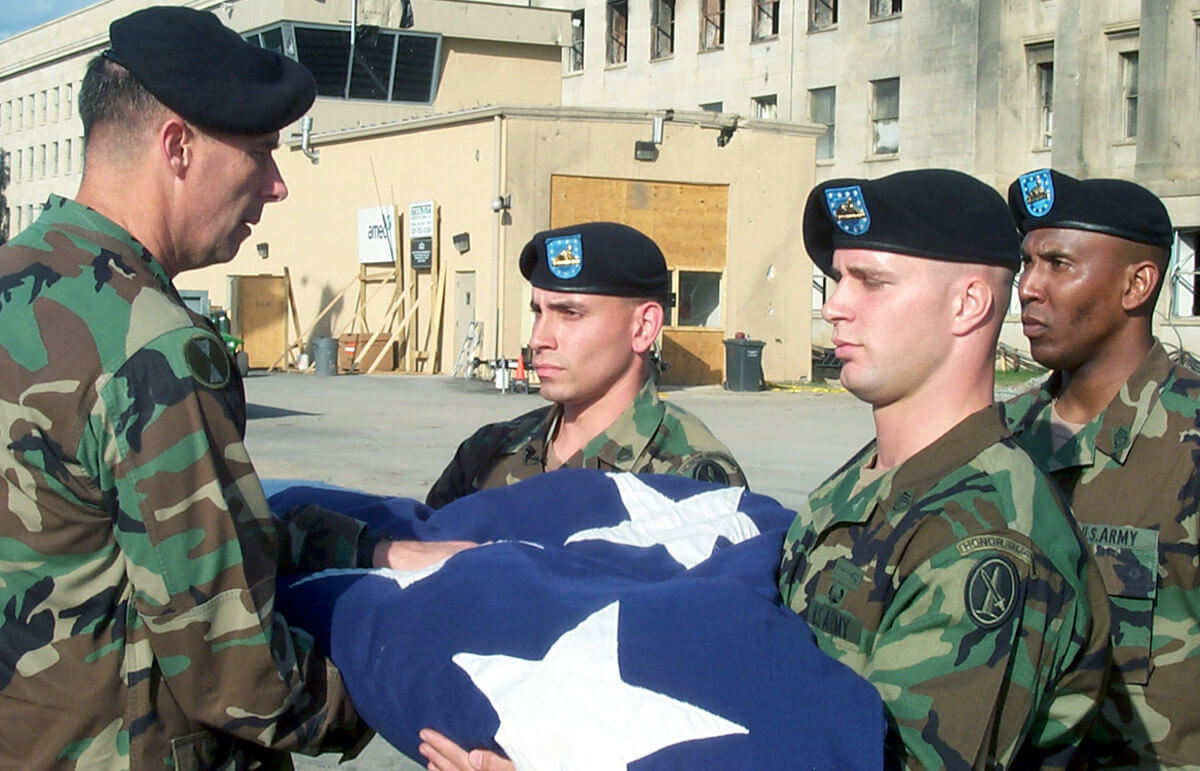
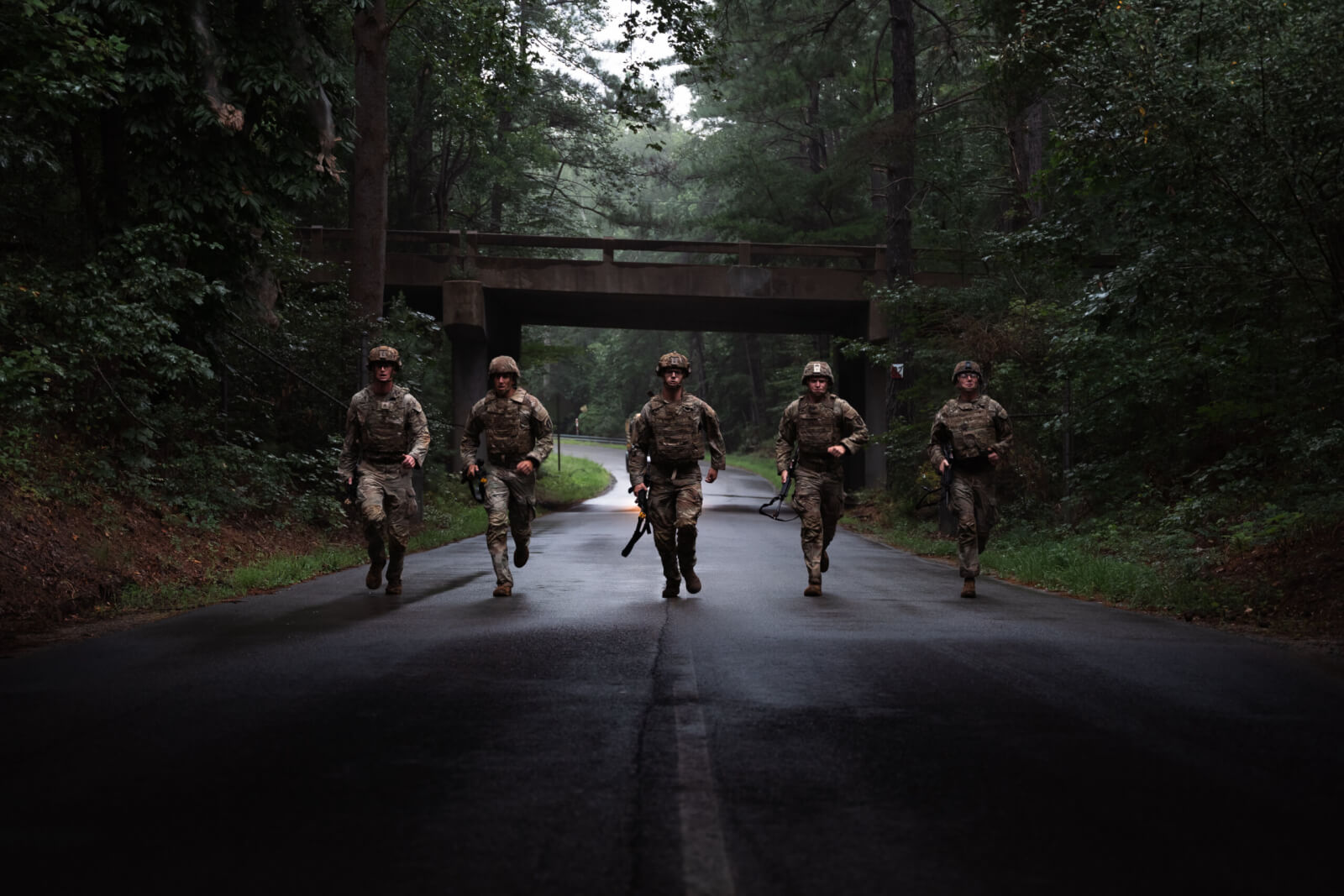
The history of The Old Guard doesn’t consist solely of muskets and powdered wigs. Members of the 3rd Infantry Regiment meet all standards for combat certification, train for deployment in support of overseas contingency operations, and conduct defense in support of civil authorities in the National Capital Region. As such, on Sept. 11, 2001, The Old Guard sprang into action to support operations at the Pentagon crash site.
According to Capt. Mike Zantello, the unit historian, The Old Guard was tasked with immediate medical support, body recovery, and damage control. “We have photos and records from the day with soldiers loading medical trucks, on the ground at the Pentagon while smoke is still coming up,” said Zantello. The Old Guard also raised the flag on the side of the Pentagon following the crash, then lowered it one month later.
They will be involved in several ceremonies across the National Capital Region this fall to commemorate the 25th anniversary of the attack, including one at the Pentagon and one at the 9/11 Memorial.
Members of The Old Guard value the opportunity to honor the nation’s history by becoming part of it themselves.
“Not only while you’re here at The Old Guard are you expected to maintain the standard,” said Ortman. “You carry on the mission and the history of the unknowns as you move forward. Sharing their stories and upholding their legacy is a lifelong commitment.”
Ortman’s original enlistment was a contract at Fort Hood in Texas, but as soon as he learned that becoming a tomb guard was a possibility, he put in paperwork to change his plans.
“The second I got to The Old Guard, I started fighting to make my way down to the tomb,” he said.
It took Ortman a year of training to become a sentinel. Nearly 90% of trainees drop out; the ones who remain are considered the elite of the elite, both physically and mentally. Men are required to be between 5’10” and 6’4” tall, while women must be between 5’8” and 6’2”. They are in “superb physical condition” and hold “an unblemished military record,” according to the ANC website. Before they can even earn a walk, they must recite a seven-page long history of the cemetery verbatim.
Tomb guards take a series of five tests, consisting of questions about three pillars — uniform, ceremonial performance, and knowledge of the cemetery and the unknowns. They can only pass these tests with a score of 95%.
Guards arrive at 6 a.m. and work 25-hour shifts, doing between nine and 10 changes per day. The assignment is for three years — one year of training and then two years of standing guard and training new sentinels, keeping the cycle going to make sure the mission is maintained at the standard.
Ricketts, who has served in the Army for 13 years, was previously stationed at Fort Hood as a cavalry company commander. He was looking for a change, and is thankful that one of his former battalion commanders pointed him in the direction of The Old Guard.
“Signing up to be an infantry officer when I came out of college,” said Ricketts, “I thought all that stuff was stupid — marching around, uniforms. I’m supposed to be out getting dirty, not sleeping, not eating, in the rain. But it changed my perspective, that that attention to detail is still important. We’re on a national and international stage at times. We have strategic impacts. When it comes to these ceremonies, this is the best of the best. Nobody does it better.”
While Ricketts has served at many military funerals in his five years with The Old Guard, it’s the first one that will always stick out in his memory.
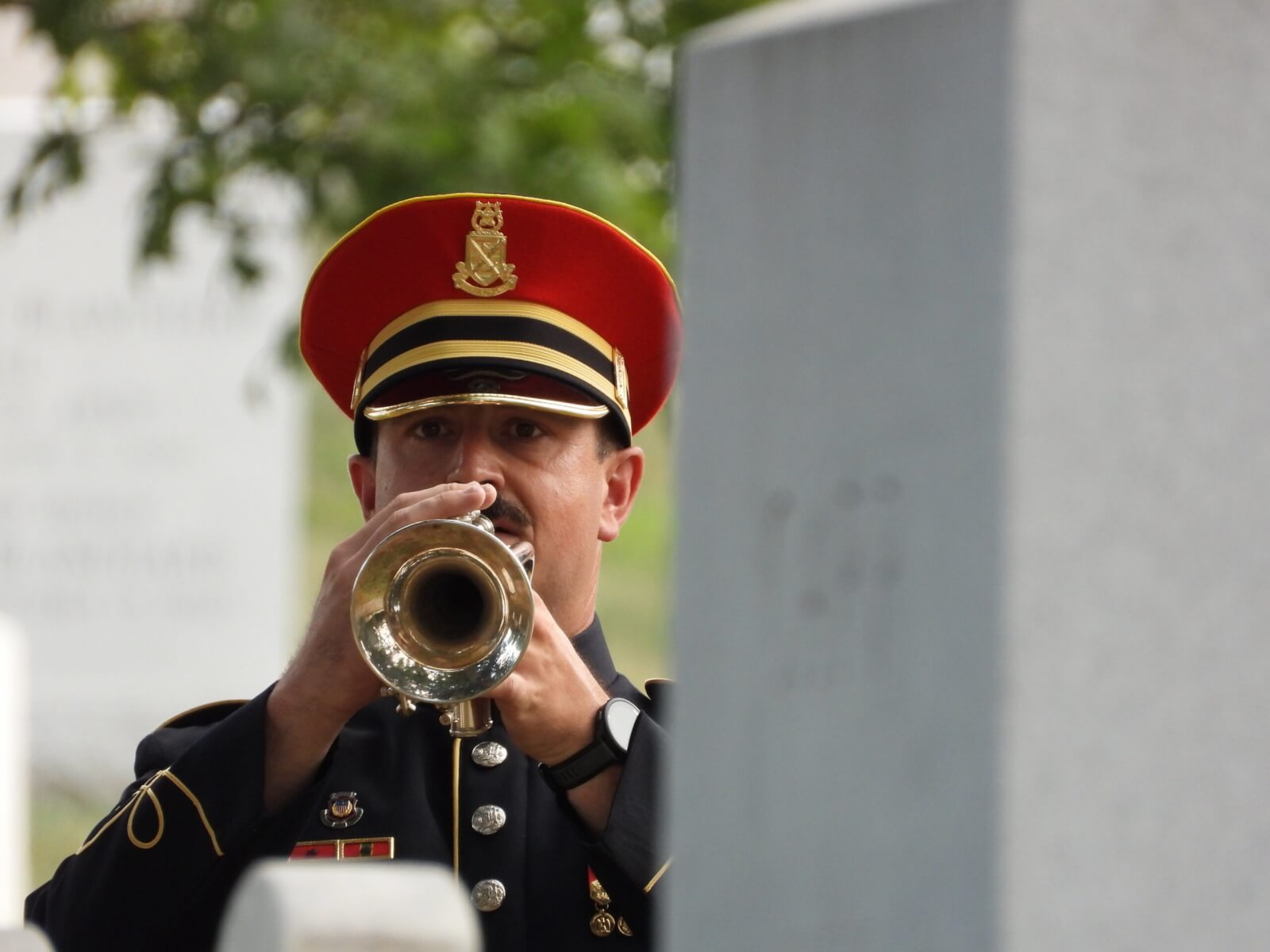
“Hot day, the last one of the day, one of the horses just wasn’t having it, so they had to remove the horse,” he recalled. “The family had waited quite some time because of the backlog coming out of the pandemic. I can tell the spouse is just like, ‘let’s get to the gravesite and do this. We just want some closure to end it.’ But when I passed that flag, it became real for her.”
To him, that’s why the ceremony, the attention to detail, and the link to 250 years of American history is so important.
“No matter what’s going on, it’s a hot day, it’s a cold day, it’s raining, it’s not. There’s something about that sequence we do. 21-gun salute, taps, America the Beautiful, we fold the flag, and then the condolences we give to the loved one as we pass that flag. It just changes everything for them.”