
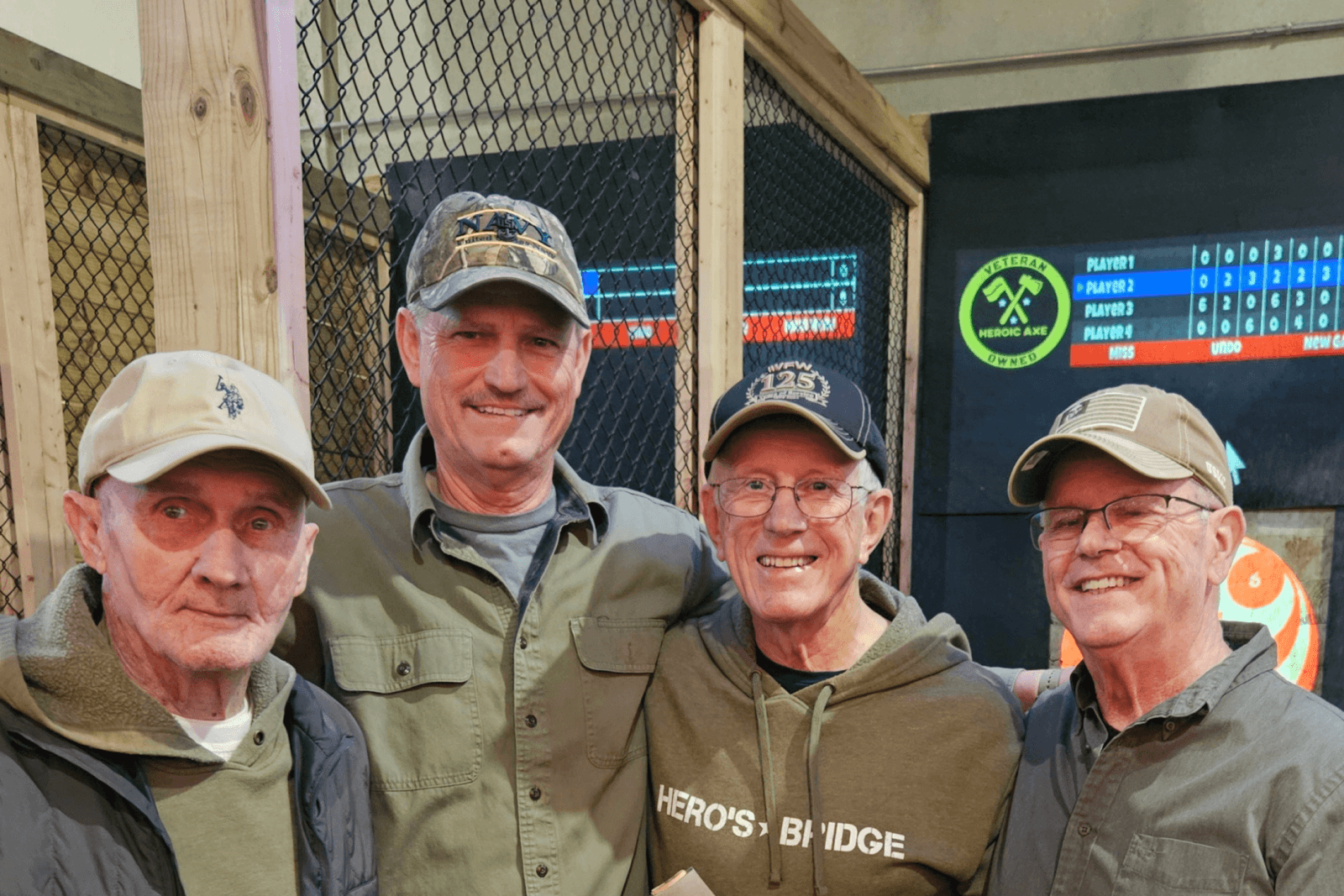
For some Americans, supporting veterans often means thinking about those returning from today’s conflicts. But numerous aging veterans, particularly those from World War II, the Korean War, or the Vietnam War, face a different battle. Many are living alone, struggling with declining health, navigating complicated systems, and quietly slipping into isolation.
That’s when Hero’s Bridge steps in.
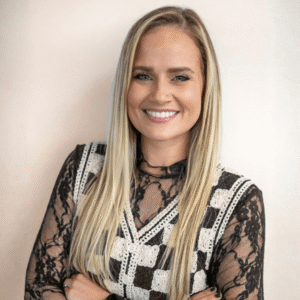
Founded nearly a decade ago by registered nurse Molly Brooks, Hero’s Bridge exists to serve aging veterans with one simple philosophy: “No Red Tape.”























After years of caring for older adults, Brooks repeatedly witnessed veterans whose needs fell through the cracks. Some needed transportation, others a working refrigerator, a wheelchair ramp, or simply someone who would check in on them. While resources existed, accessing them often required navigating lengthy applications and bureaucratic delays. Time many veterans simply did not have.
“We start with the immediate need,” Brooks explained. “Then we figure out everything else.”
That people-first approach has become the hallmark of Hero’s Bridge.
One story Brooks shared perfectly illustrates the organization’s impact.
A Black Vietnam veteran had endured segregation as a child before losing a promising professional baseball opportunity when he was drafted into military service. Years later, after losing his wife, he found himself living alone and increasingly isolated. Through Hero’s Bridge’s Battle Buddy program, he was paired with a retired Coast Guard admiral who now visits him regularly, brings meals, helped replace a broken refrigerator, and even delivered firewood during a harsh winter to ensure he had heat.
For Brooks, stories like these demonstrate that sometimes the greatest need isn’t just financial assistance, it’s human connection and someone who cares.
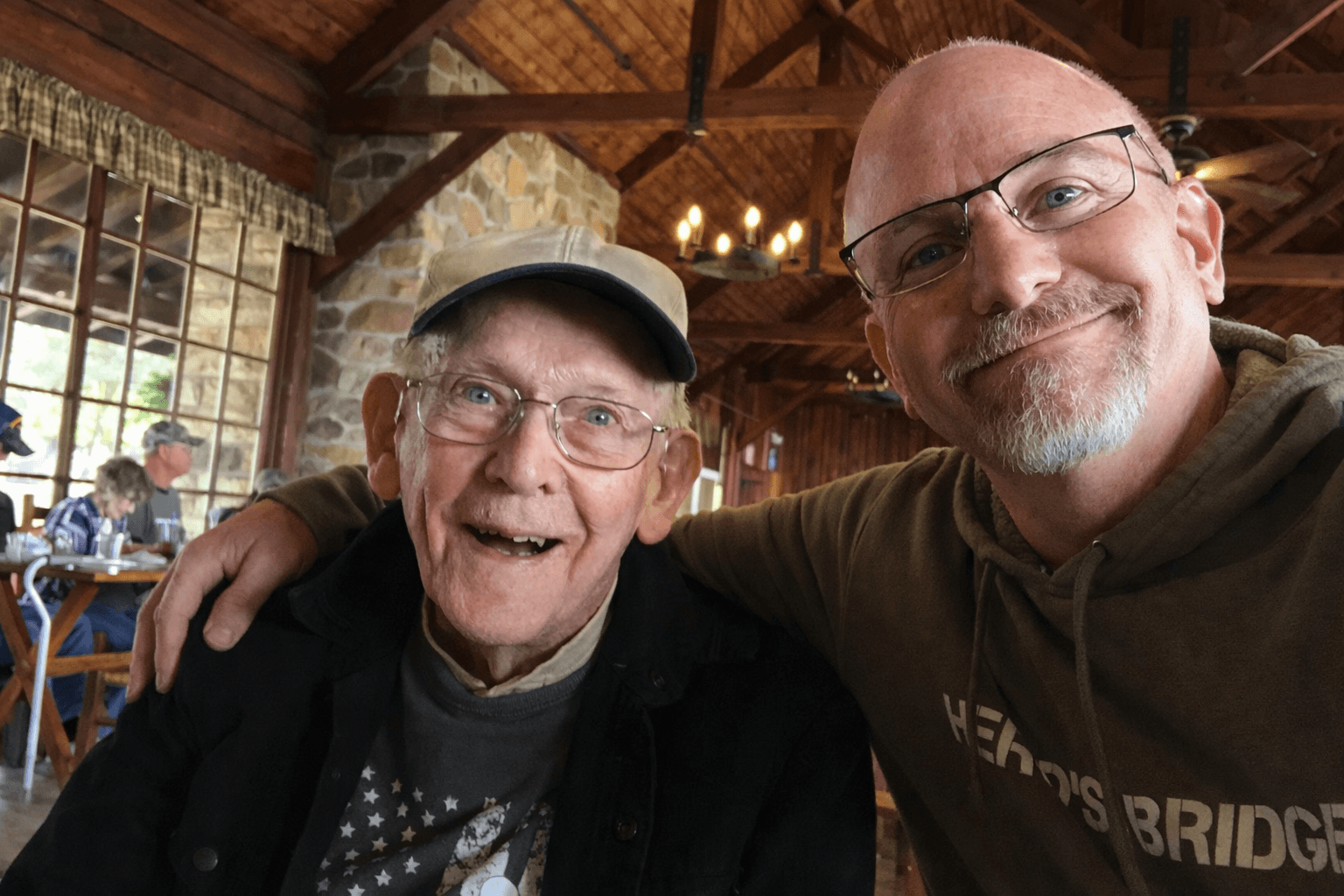
That belief is something volunteer Paul Holbert sees firsthand every month.
A retired Army First Sergeant, Desert Storm veteran, and former civil servant, Holbert discovered Hero’s Bridge after featuring the organization on his Veterans Corner podcast. Inspired by its mission, he became a Battle Buddy himself.
Today, he stays in regular contact with approximately eight veterans, helping connect them to VA benefits, checking on their well-being, and simply being someone they know they can call.
“The relationships become genuine,” Holbert shared. “You’re not just making a phone call. You’re becoming part of someone’s support system.”
Although Holbert served a generation after many of the Vietnam veterans he now mentors, he says the differences quickly disappear.
“More than anything, we understand each other,” he explained. “Service-related injuries, PTSD, and the long-term effects of military life create common ground regardless of when you served.”
One veteran Holbert helped had never enrolled in VA benefits despite qualifying decades earlier. Others simply needed someone willing to listen. He believes younger veterans have just as much to gain from volunteering as the veterans they serve.
“The Vietnam generation didn’t always receive the welcome home they deserved,” Holbert said. “We have an opportunity to honor them now while learning from their experiences.”
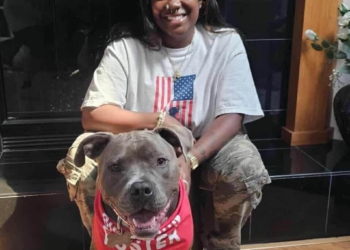
While companionship programs like Battle Buddy and the organization’s Paw Patrol pet visitation initiative address loneliness, Hero’s Bridge also provides practical assistance ranging from emergency home repairs and mobility equipment to food, transportation and household necessities.
As Brooks emphasized, every veteran’s situation looks different. The organization’s flexibility allows it to respond to each individual rather than forcing them into a one-size-fits-all program.
For military families looking for ways to give back, getting involved is surprisingly accessible. Volunteers don’t have to be veterans. Military spouses, family members, and civilians with a heart for service can become Battle Buddies through a virtual orientation process, making it possible to support aging veterans from anywhere in the country.
After a lifetime of service, no veteran should have to fight life’s final battles alone.
To learn more about volunteering, becoming a Battle Buddy, or supporting Hero’s Bridge’s mission, visit their website and discover how you can help ensure America’s aging veterans remain seen, supported and never forgotten.