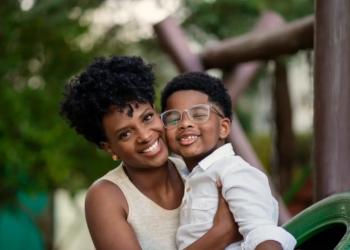




A military brat, Ayumi Davis thought she had finally found a place where she belonged. After two years of building stability in Hawaii, though, her father received orders that would move them to Japan. At her new school, she struggled to make friends and often spending her lunch period alone. Eventually she decided it was time to take a chance and began introducing herself to new people, which opened a door to new friendships she never expected.
Although Davis had an experience that was unique to her, it’s a reflection of what military children constantly experience: starting over. Growing up as an Army brat, I always found myself in this position and became familiar with it. Moving meant that I would have to force myself to meet new people and start from scratch. As I’ve gotten older, I’ve noticed that socially engaging hasn’t gotten easier. In fact, I think people are becoming more comfortable and content with staying with what they’ve always known.
People will inevitably find their friend group, establish a good daily routine, and surround themselves with the people who make them feel comfortable. Yet we get so focused on keeping up and maintaining those same friendships that we forget to consider newcomers and the potential for the cool experiences they bring.
























At a young age many of us embrace the uncomfortable awkwardness of making friends, but as we get older we tend to stick with what’s familiar to us instead of engaging with someone new, ultimately missing out on opportunities to make a new friend. The Centers for Disease Control and Prevention (CDC) reports that 33% of adults in the United States say that they feel lonely, and 25% say that they lack social and emotional support. But those numbers don’t mean that everyone is lonely because they aren’t meeting new people; it shows that a portion of society is becoming disconnected and losing their social skills. Making an effort to meet new people and start conversations can’t cure loneliness but these steps can create a higher chance for someone to build social connections that can help with feelings of loneliness, depression and anxiety.
This is especially noticeable in young adults in college. Research from Cincinnati University, surveying nearly 65,000 college students across more than 120 college campuses, found that 54% have reported strong feelings of loneliness. Another survey conducted by Trellis Strategies in 2024 found that 57% of nearly 44,000 college students experienced loneliness. Experiencing loneliness is not just an individual feeling but rather a widespread issue among all age groups.
It starts with making a conscious effort of making ourselves more approachable and open to making new friends. In uncomfortable situations, it’s likely that the person next to you feels uncomfortable too. Simply inviting someone new to sit with you and your friends or talking to someone standing alone are small steps, but allow for new experiences. According to the CDC, social connection can lead to longer life, better health and well-being. It can improve the quality of sleep, our ability to manage stress and reduce the risks of depression.
Stepping outside your comfort zone also comes with the territory that you are going to be opening yourself up to people that might not be like you. Growing up, I met so many people from different religions, ethnic beliefs, family dynamics, and political beliefs. It can be easy to think you have nothing in common. However, we spend so much time worrying about what could go wrong that we often forget about all the things that could go right. You never know what someone else might be going through, so next time you see someone sitting alone —a new person in class or someone who looks like they feel uncomfortable— approaching them could make the biggest difference for both of you.