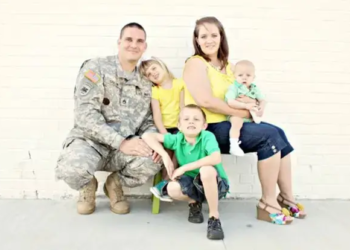




Army wife and public information specialist Alexandra Drew has a message for the military world: online privacy isn’t so private anymore.
“Everybody is so used to sharing everything online,” said Drew, the Soldier and Family Readiness Group Senior Advisor at Fort Bragg, N.C. “But if it’s online, you have to assume it’s easily accessible to everyone.”
Online safety
Social media provides a crucial outlet for staying connected with friends and family, venting about the ups and downs of military life and sharing your story with the world. A Reddit fan, Drew knows that fact intimately. But one thing attendees for her on-post OPSEC (operations security) and PERSEC (personal security) classes learn is that staying safe online in the modern era doesn’t happen by accident.























“I was previously married to a civilian and never had to think about anything I have to think about now [regarding online safety],” Drew said. “There is no comparison. We are the first line of accessibility when it comes to potential enemy nations, so we always have to assume someone is monitoring our online activity and posts.”
And it’s more than “loose lips sink ships,” too. Besides well-known OPSEC guidelines like keeping deployment dates secret, military children are at risk for online bullying or sextortion, veterans can be scammed, and spouses can inadvertently advertise to predators that they’re home alone and vulnerable.
Personal security in virtual reality
Here are Drew’s recommendations for personal security in today’s virtual reality:
- Don’t post in real time. Are you planning to take the kids to Disney next week? Awesome! But don’t post photos on the park’s Main Street while you’re actually gone, as it gives potential home invaders valuable information about empty houses.
- Be honest with your children. While the facts should always be shared in an age-appropriate way that doesn’t traumatize but instead informs and educates, don’t hide that there are online predators who want to harm young people. Be a safe place for your kids to come to when they have made mistakes online, too.
- Be wary of new or overly friendly accounts. “Hey girl, message me!” from a new friend can seem harmless. But Drew says that if you see any red flags (no photos, brand new, never met them in real life, an account based out of a different place than claimed, etc.), listen to your instinct and tread carefully.
- Ask yourself if the world really needs to know information. Why should you share with a new online pen pal that you live on-base? Does a total stranger really need to know that your husband works mid shifts, your kids plays YMCA soccer on Saturday mornings, or that you just got an inheritance from your grandparents?
- Don’t be a people-pleaser. Sometimes “I have to go right now” is exactly what needs to be said.
- Regularly go through your follow and followers list. It can be easy to let someone or something slip through the cracks, but an occasional winnowing can tighten your accounts down again.
- Acknowledge that posts from even private social media accounts can be leaked. Screenshots exist and can be easily shared.
- Don’t feed into group drama. Drew has seen plenty of mass panic caused by a seemingly innocent post like, “OMG! Did y’all hear about the squadron training accident today?” Such behavior can spread false rumors while causing unnecessary anxiety amongst the military community, so shy away if at all possible.
Online can be a wonderful place, especially for isolated military families. Follow these tips to keep it that way.