


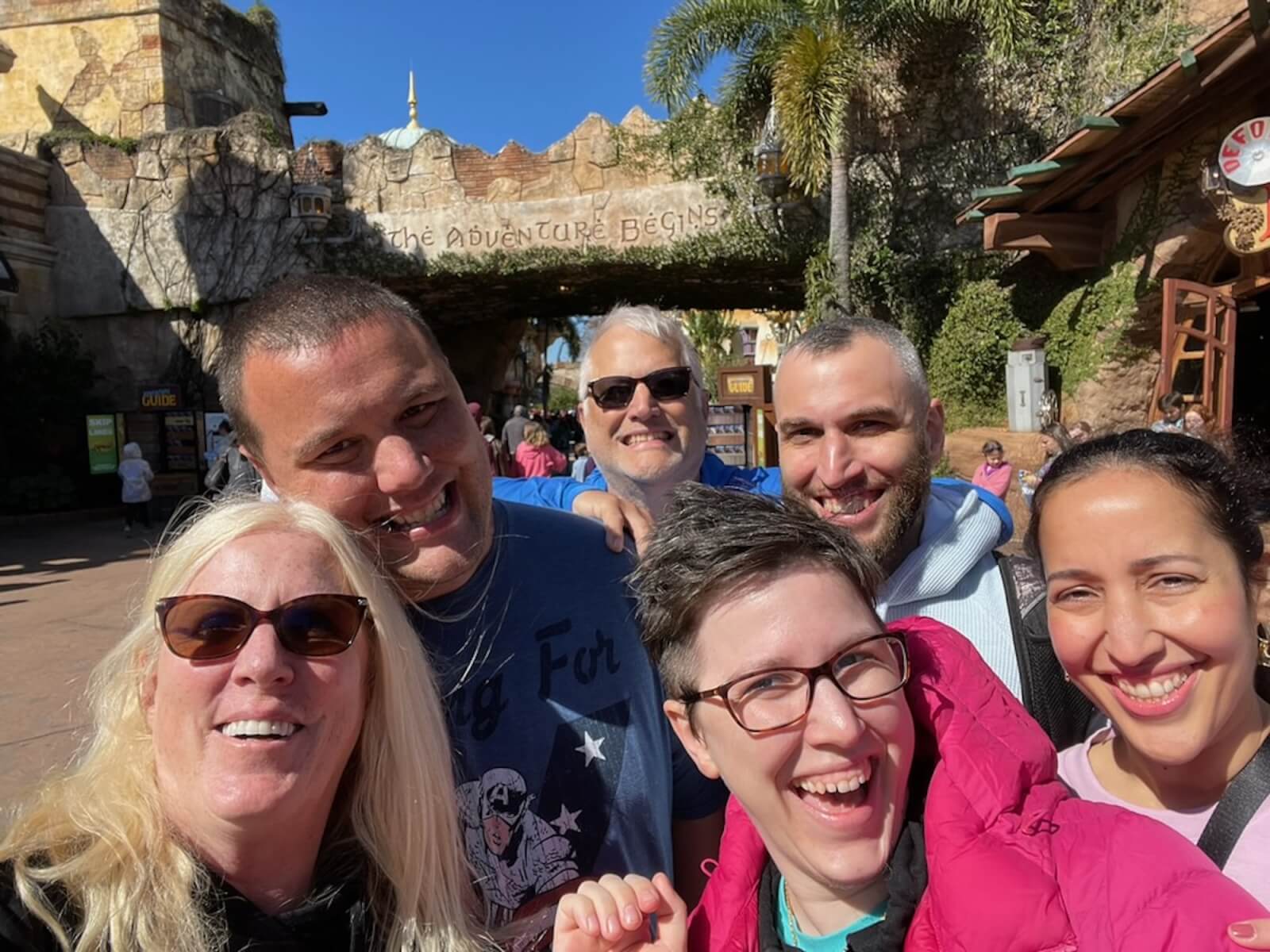
In 1988, while stationed in England, Jaime and Tracy Parent learned their son Bryan had autism. It marked the beginning of a lifelong education — one they largely navigated alone.
“We really didn’t have resources,” Jaime recalled. “A request at the base library for a reference article took weeks. Things you can get online today in seconds.”
Tracy remembers the library having only two books covering the neurological and developmental disorder. One was by British psychiatrist Lorna Wing, who helped shape modern understanding of autism. The other was Bruno Bettelheim’s “refrigerator mother” theory, which blamed autism on cold parenting.






















“I came home and thought, I’ve worked with kids all my life … I have another child. But somehow this theory says I chose not to love Bryan?” she said. “That kind of misinformation made us feel incredibly isolated.”
The Air Force determined proper care was not available for Bryan overseas and reassigned the family to California.
There, they learned to navigate TRICARE, advocate within school systems, and document everything before each relocation. Jaime continued his Air Force career, retiring as a lieutenant colonel. Tracy, inspired by the educators who helped Bryan, became a special education teacher.
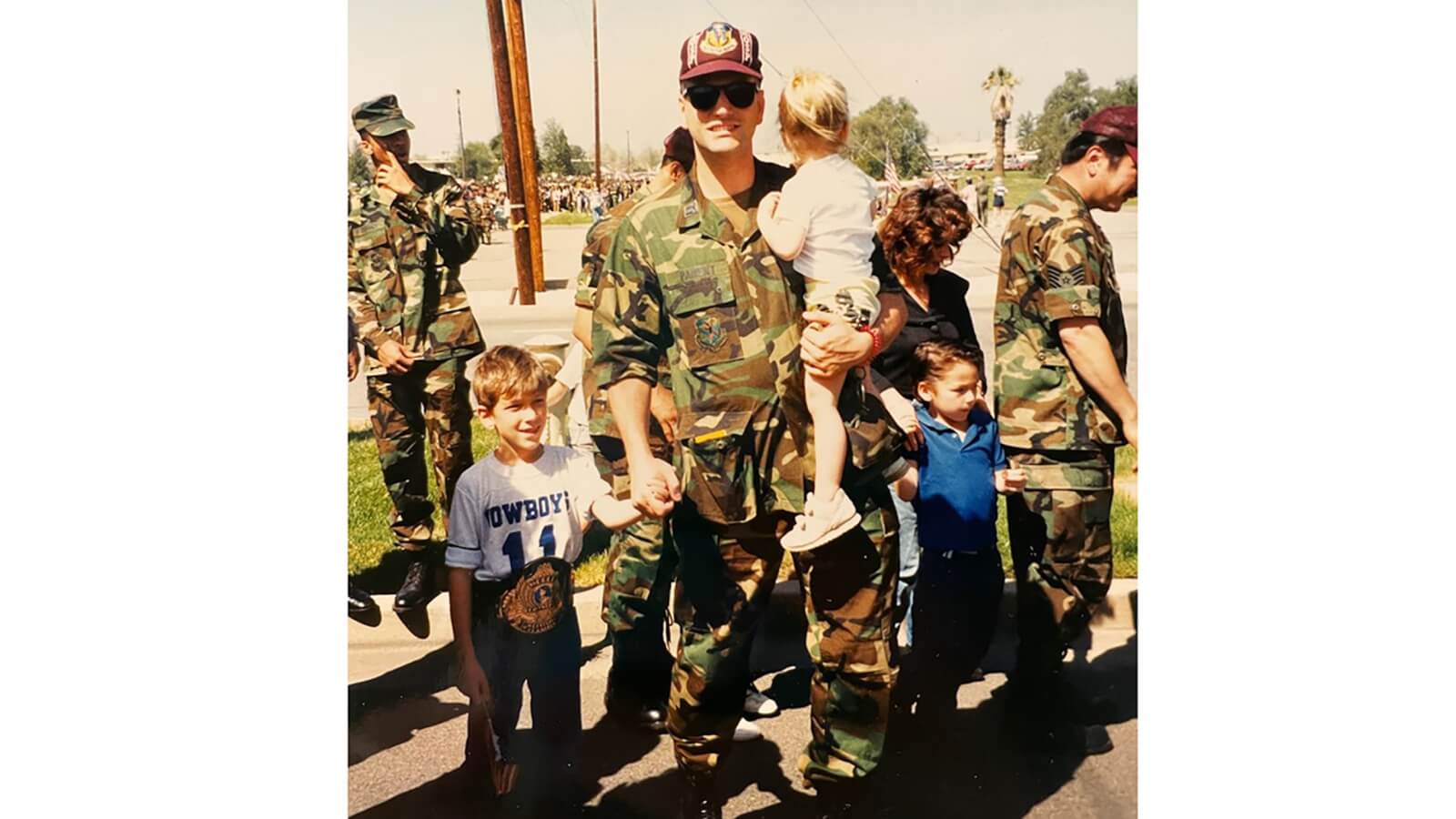
Their story challenges a fear many military families face after a diagnosis: that a military career and support for their child can’t coexist.
“It can work,” Jaime said. “Autism requires lifelong work and strategies. Your mission at home matters as much as the one in uniform.”
The couple made a pact that when they found their footing, they would help the next family.
Nearly four decades later, that promise became their new book: “The Mission at Home.” The resource walks families through everything from navigating TRICARE and the Exceptional Family Member Program (EFMP), to managing school transitions, building financial plans, and preparing for retirement — a scope no other resource addresses through a military lens.
As the Parents continue to help other families of children with autism succeed, Bryan, now 40, is doing just that. He works at Publix, navigates public transportation independently, and has built friendships through the Special Olympics — goals his parents set early when many clinicians doubted.

After decades of advocacy, Jaime says the most important lesson is simpler.
“I think you have to give hope,” he said. “When your child is very young, that’s when you grieve the hardest. You’re wondering, what does the future hold?”
For military families facing a new diagnosis, the couple urges leaning into EFMP, Military OneSource, local parent groups, and national organizations like Autism Speaks.
Resilience and self-reliance are hallmarks of military life. But raising a child with autism teaches otherwise.
“Don’t think you can do it alone,” Tracy said. “I think the gift of autism is that we learn we’re all interconnected. And we all need each other.”