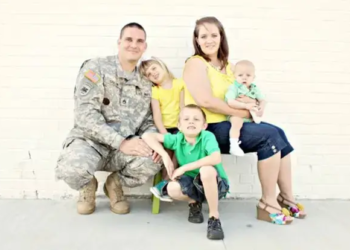


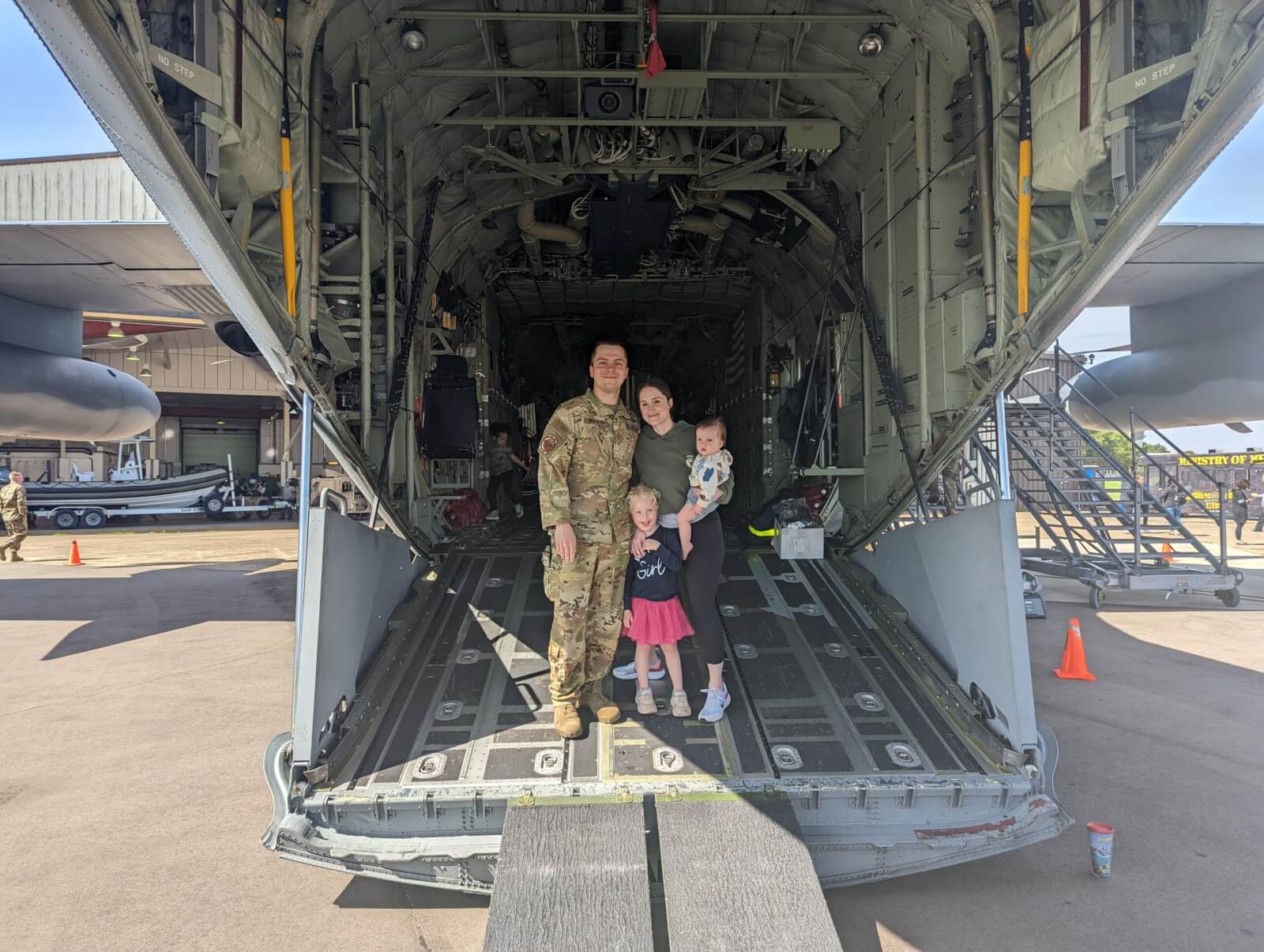
My husband and I have been together since we were 12 years old — gross, I know. But it means we stepped onto this military rollercoaster together. I was there, fully supportive, when he walked into that enlistment office at 17.
At that age, I didn’t understand the weight of that decision; my idea of military life had been molded by Pinterest boards and homecoming videos. I had no real understanding of what it would ask of us… of me.
But here we are. Still standing and stronger than ever. Over the years, we’ve faced decisions that have shaped our lives in the military, reenlistments, career changes, and volunteer deployments among them. And while we don’t get a say in everything, there are moments where we do have a voice.





















And I use mine, maybe a little too loudly sometimes, because this is our life, not just his career. I didn’t sign up to disappear inside it.
My name sits next to his on our marriage certificate, not under it. I’m not being dragged around like a piece of luggage; we’re teammates. And we make decisions like one.
“As military spouses, our voice is powerful. It shapes the conversations, the decisions, and ultimately, the way we show up in life.”
In 2022, my husband applied for Officer Training School. We had already agreed that if it didn’t work out, he’d transition out. But he was selected for a pilot slot, and just like that, we were committing to another 10 years. That decision wasn’t easy for me. The shift, the risk, and the reality of what the next 10 years would look like hit hard.
But supporting him didn’t mean staying silent, and I’m nothing if not vocal. I had one stipulation: no fighters. It sounds ridiculous and naive, but after a decade of AFSOC, I was hoping for something… more vanilla. It was one of the ways I made sure my voice was part of the decision, too, and he agreed. We talked through everything: our fears and concerns, what we both needed and wanted, and moved forward as a team. And that’s the part I think gets lost in military life.
There’s this unspoken expectation that spouses are supposed to quietly support, to keep everything running smoothly, to prioritize the service member’s career above all else.
Ring ring, the 1950s are calling. They want their housewife back.
That expectation doesn’t work because this life doesn’t just affect the service member’s career; it affects military spouses, our homes, our routines, our children, and our sense of stability.
Which means we deserve a voice in the conversation. Hell, we’ve earned one.

In 2018, my husband wanted to volunteer for a deployment. We had a nine-month-old, and my immediate response was no, and every ounce of generational stubbornness wasn’t willing to discuss it. I was scared and overwhelmed. Every “what-if” hit at once.
But he gave me space to say everything I needed to say, he listened, and we worked through it together. The deployment still happened, but I wasn’t passive in the decision; I was part of it. And that made all the difference.
You may not always get the final say; that’s the reality of military life. But simply having a voice in the conversation matters more than people realize.
When you stop speaking up, that’s when you start losing yourself.
As military spouses, our voice is powerful. It shapes the conversations, the decisions, and ultimately, the way we show up in life.
You are not cargo in your spouse’s career; you are a co-pilot in your shared life.
Cheesy, I know, but so damn true.