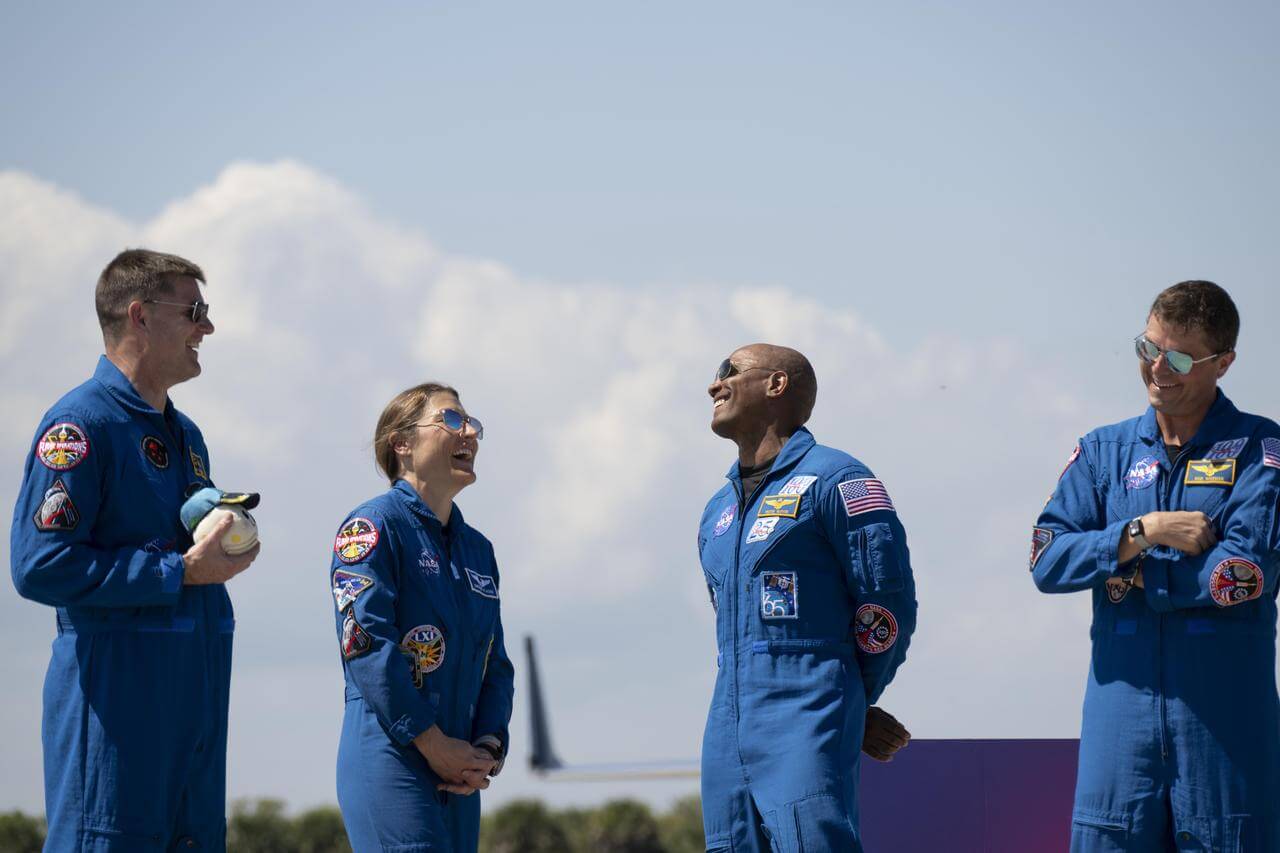



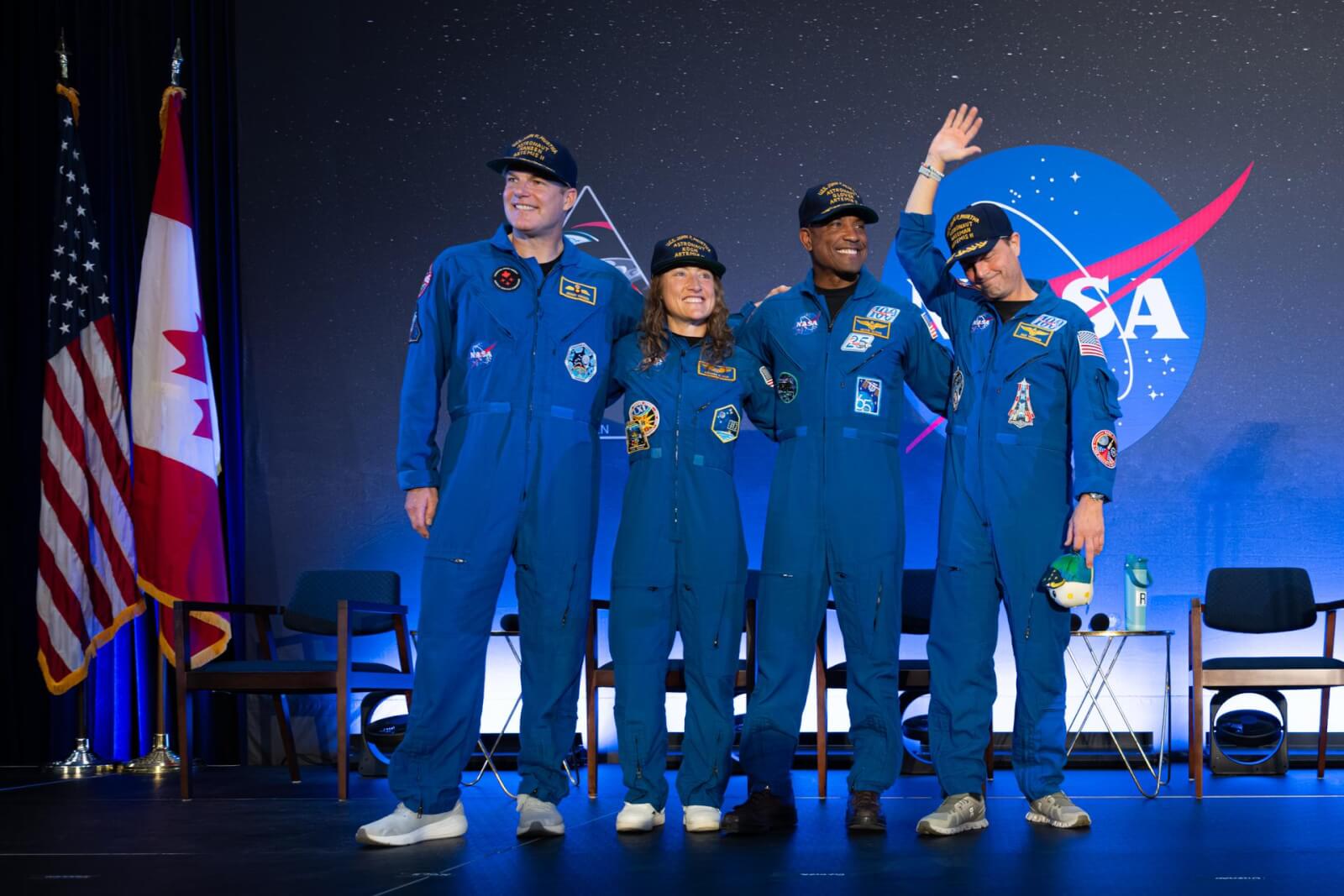
Update: Two sailors were among the four-person astronaut crew to safely return Friday from the Artemis II mission. Commander Reid Wiseman, Pilot Victor Glover, Mission Specialist Christina Koch, and Mission Specialist Jeremy Hansen splashed down off the coast of San Diego after completing a nearly 10-day journey that earned them a permanent spot in history books for traveling the farthest distance from Earth (252,756 miles, according to NASA).
Millions of viewers tuned in to watch the landing, which included recovery efforts of the astronauts and the Orion capsule by personnel from the USS John P. Murtha. The Artemis II crew quickly captured the hearts, minds, and ‘likes’ from every corner of social media — including Smuckers who offered the astronauts a lifetime supply of their famed Uncrustables.
Stay tuned for more coverage of what’s next for the astronauts and interviews with the crew that recovered them in our JulAug issue of Military Families Magazine.





















Space exploration fascinates me, so on launch day, I looked up in anticipation of the launch of Artemis II that took humans to the Moon — the first such mission in over 50 years.
As I live in North Carolina and the launch took place in Florida at the Kennedy Space Center, staring into the sky was a symbolic posture. Yet I looked all the same, knowing the astronauts were going beyond our atmosphere for a journey few have ever dared to attempt.
Ad astra. To the stars.
Astronauts and explorers
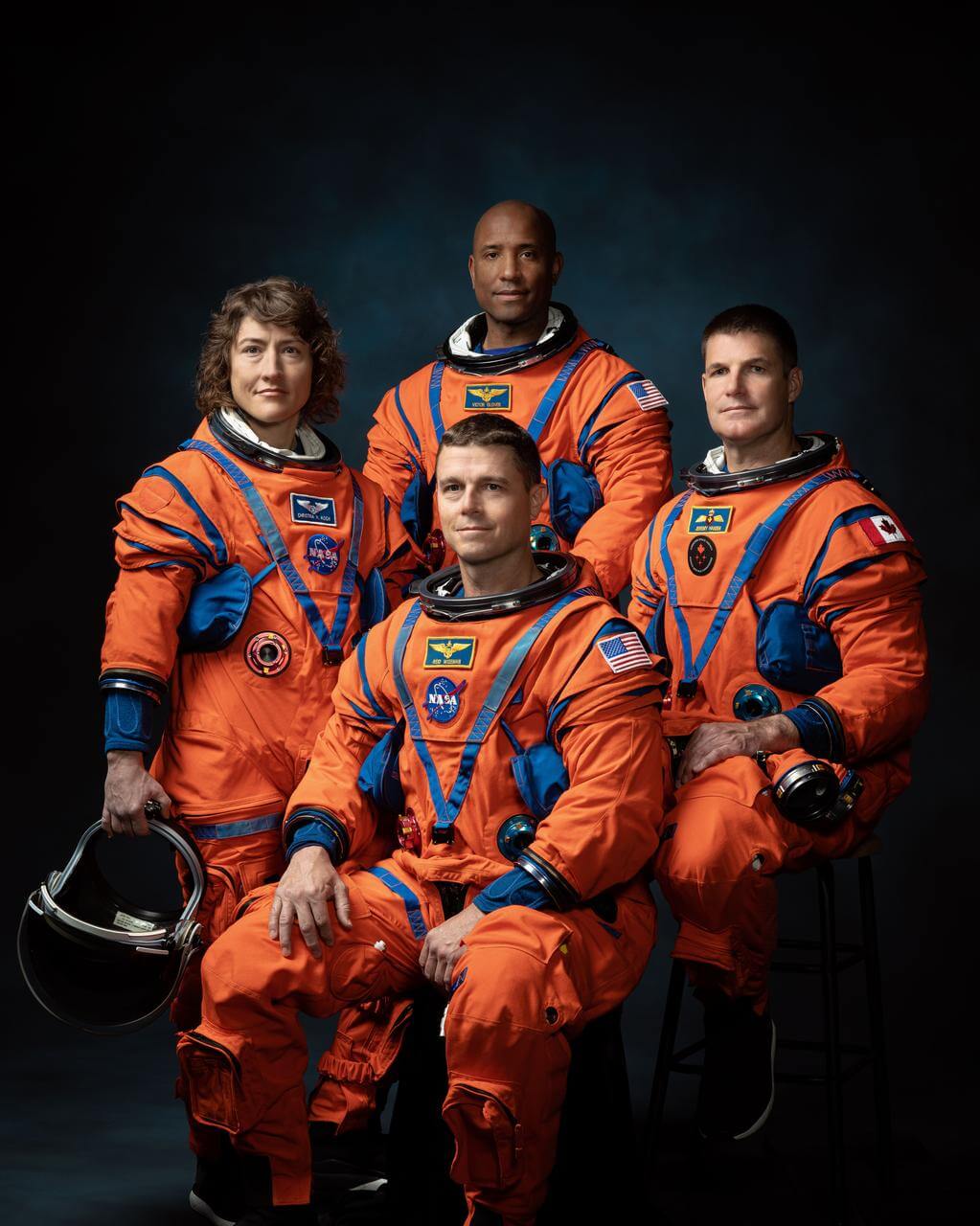
The mission of the Artemis II was to test deep-space mission capability for mankind, with four astronauts going further than anyone has ever gone in space exploration. Aboard the Artemis II were three Americans and one Canadian who planned a 10-day trip around the Moon. Keep reading to learn more about each of the astronauts — and why this was history in the making.
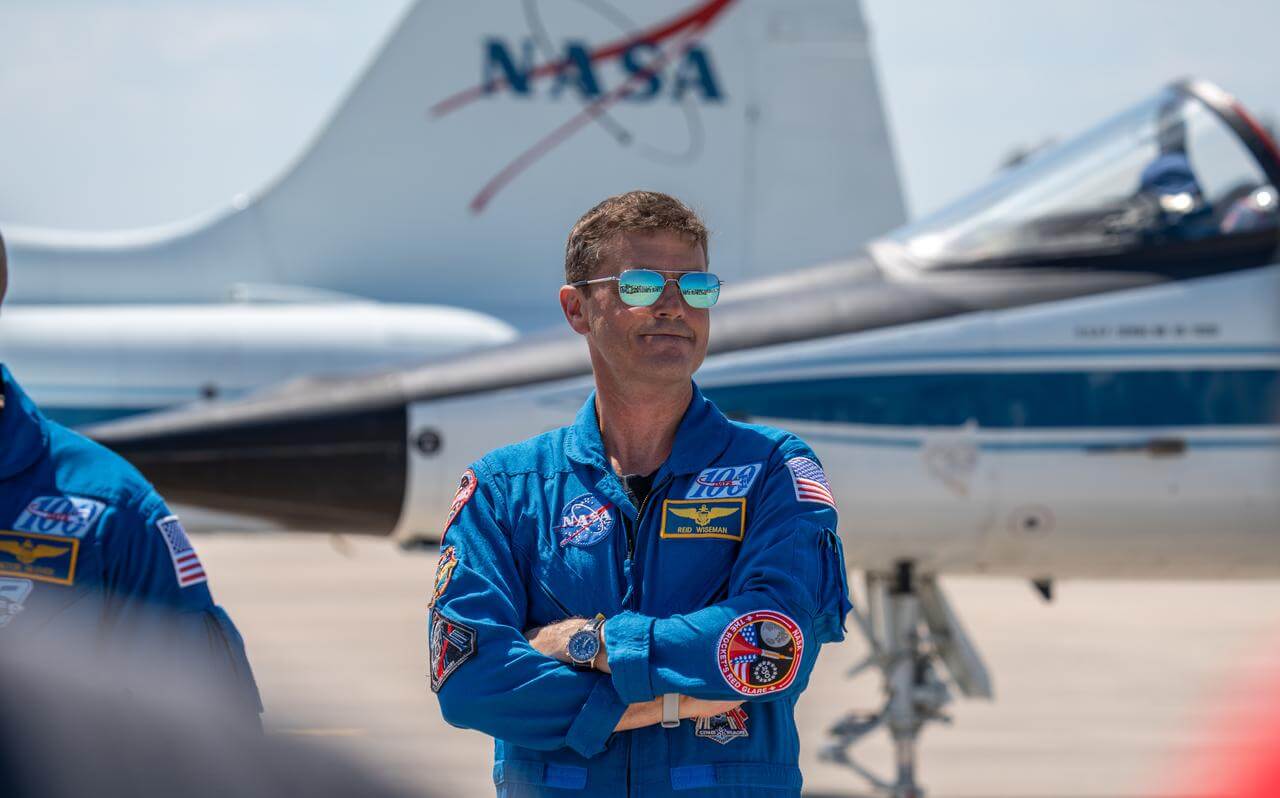
Commander Reid Wiseman is a Navy veteran and pilot who was selected to join the NASA program as an astronaut in 2009.
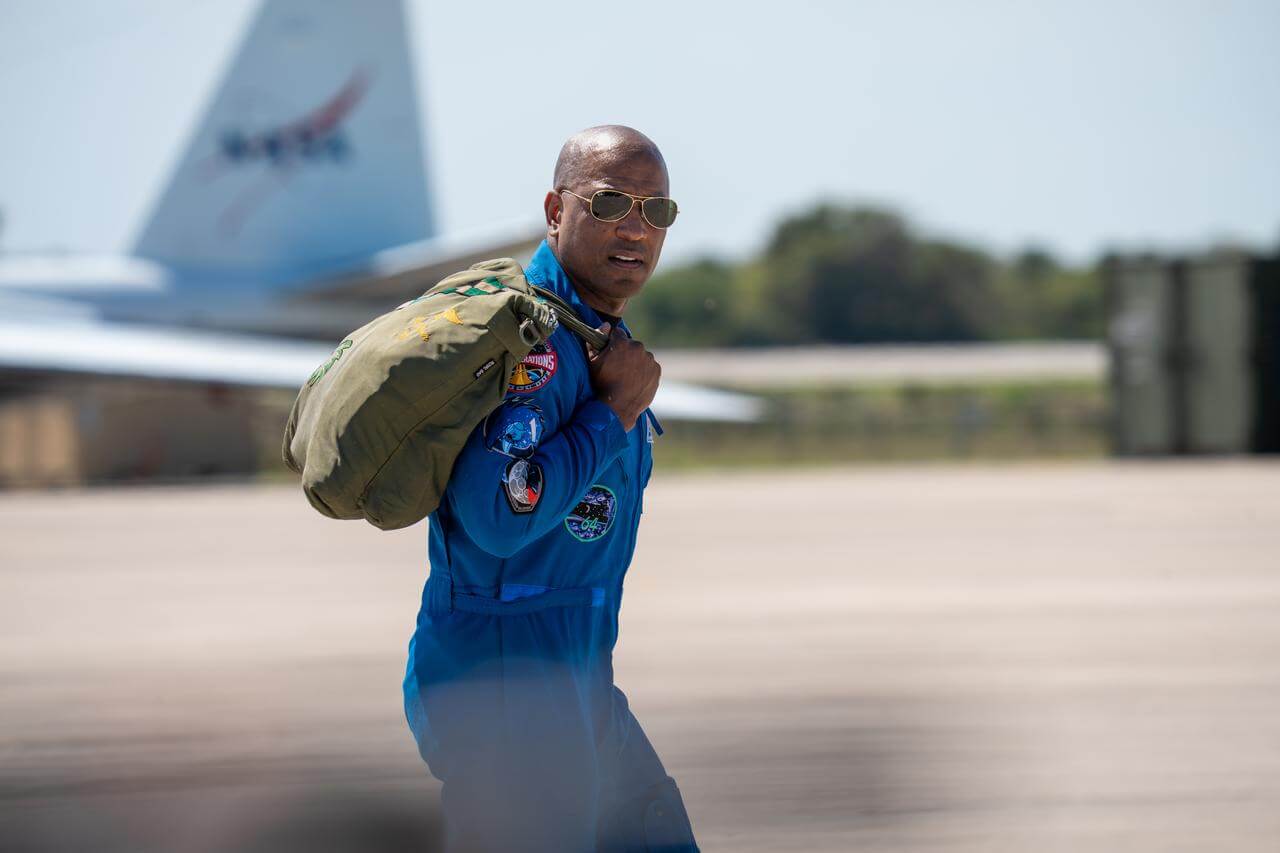
Pilot Victor J. Glover, Jr. joined the NASA program in 2013, and is a Navy aviator. Glover made history as the first Black astronaut to go to the Moon.
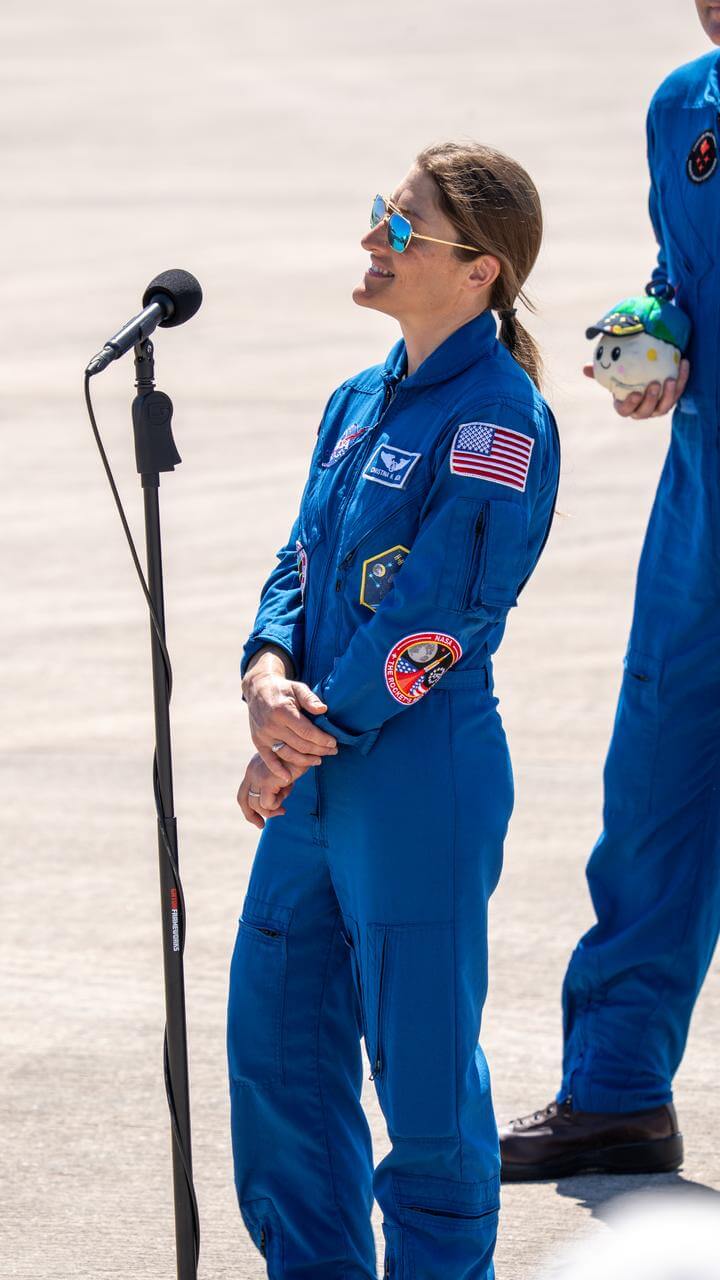
Mission specialist Christina Koch was an engineer aboard the Artemis II who joined the NASA program as an astronaut in 2013. Koch made history as the first woman to go to the Moon.
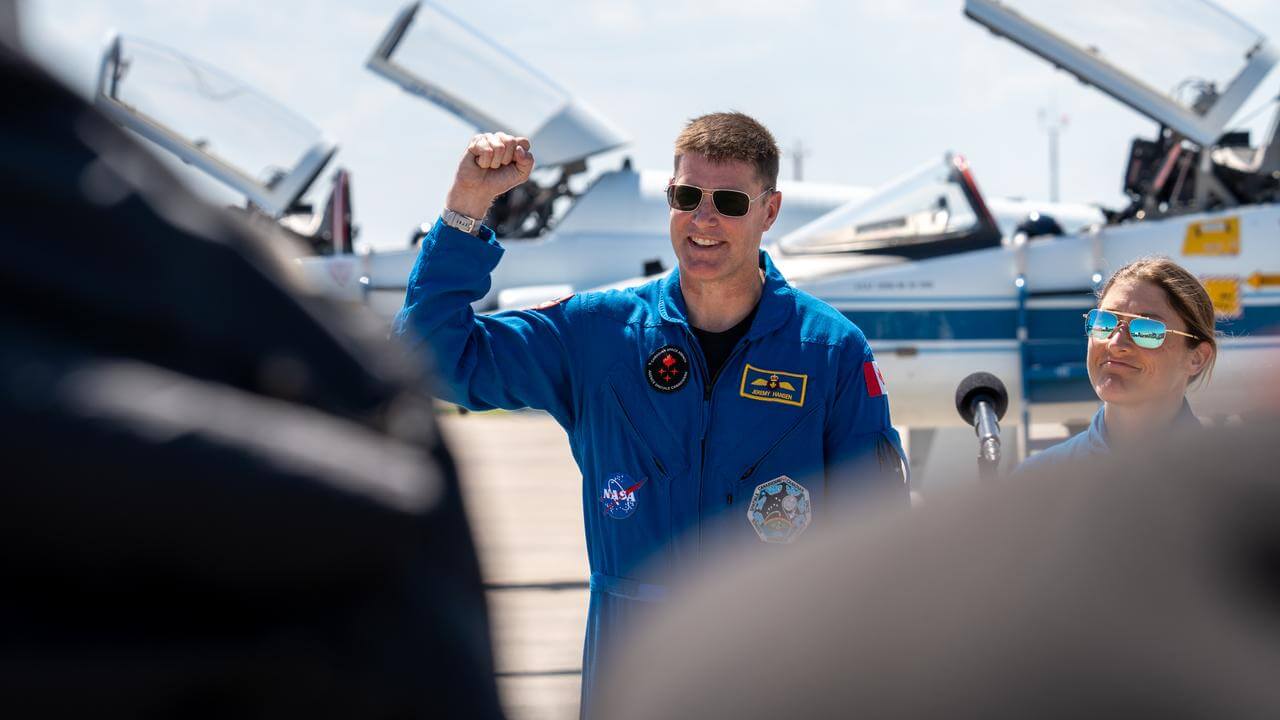
Mission specialist Jeremy Hansen is a Canadian Armed Forces veteran who was selected for the Canadian Space Agency program as an astronaut in 2009. Hansen made history as the first Canadian to go to the Moon.
Expanding the mission
We have spent more than 50 years away from the Moon’s surface; the last crewed lunar landing was Apollo 17 in 1972. As the final Apollo mission, it was deemed a success, with astronaut-geologist Harrison H. Schmitt even claiming the title as “first scientist on the Moon.”
With decades of research under its belt, NASA has expanded its vision far beyond simply putting man on the Moon. Under President Trump’s National Space Policy, the hope now is to not only land on the Moon for future missions, but to build a base for “an enduring presence… to ensure American leadership in space,” said NASA Administrator Jared Isaacman in a March 24 announcement.
“If we concentrate NASA’s extraordinary resources on the objectives of the National Space Policy, clear away needless obstacles that impede progress, and unleash the workforce and industrial might of our nation and partners, then returning to the Moon and building a base will seem pale in comparison to what we will be capable of accomplishing in the years ahead.”
For mankind
One day, we may live on the Moon. Today, I celebrate the people who will get us there.
For the benefit of all.