


The U.S. Department of Veterans Affairs (VA) estimates that 900,000 veterans and dependents use education benefits annually.
After Matt Catsimanes left the Marine Corps in 2010, he had no idea what he wanted to do next.
The Transition Assistance Program he attended prior to separation offered little guidance. “I lived in my car for three months after I got out,” Catsimanes said.












He knew the GI Bill was available but had no clue how to use it.
“If I had used it when I first got out, it would have been a nightmare,” he said. “I would have bounced between programs. I would have absolutely wasted my money.”
Catsimanes believes that when the first wave of GWOT veterans began to leave the military, colleges were unprepared for the influx of students. But things have changed.
“About 2015, most colleges finally got it together,” said Catsimanes. “By the time I enrolled in my bachelor’s program in 2018, it was a streamlined process.”
Catsimanes chose to use the Montgomery GI Bill, which was available to service members who joined the military before 2013 and paid for his on-the-job police training.
He later switched career paths to cybersecurity but quickly discovered that path would be a dead-end without a degree. He paid for his bachelor’s and part of his master’s at an online college with the remainder of his benefits.
“There was an immediate effect on my life getting a degree,” he said. “It opened doors that I previously didn’t have. It allowed me to get better compensation, better jobs. 10 out of 10, I would do it again.”
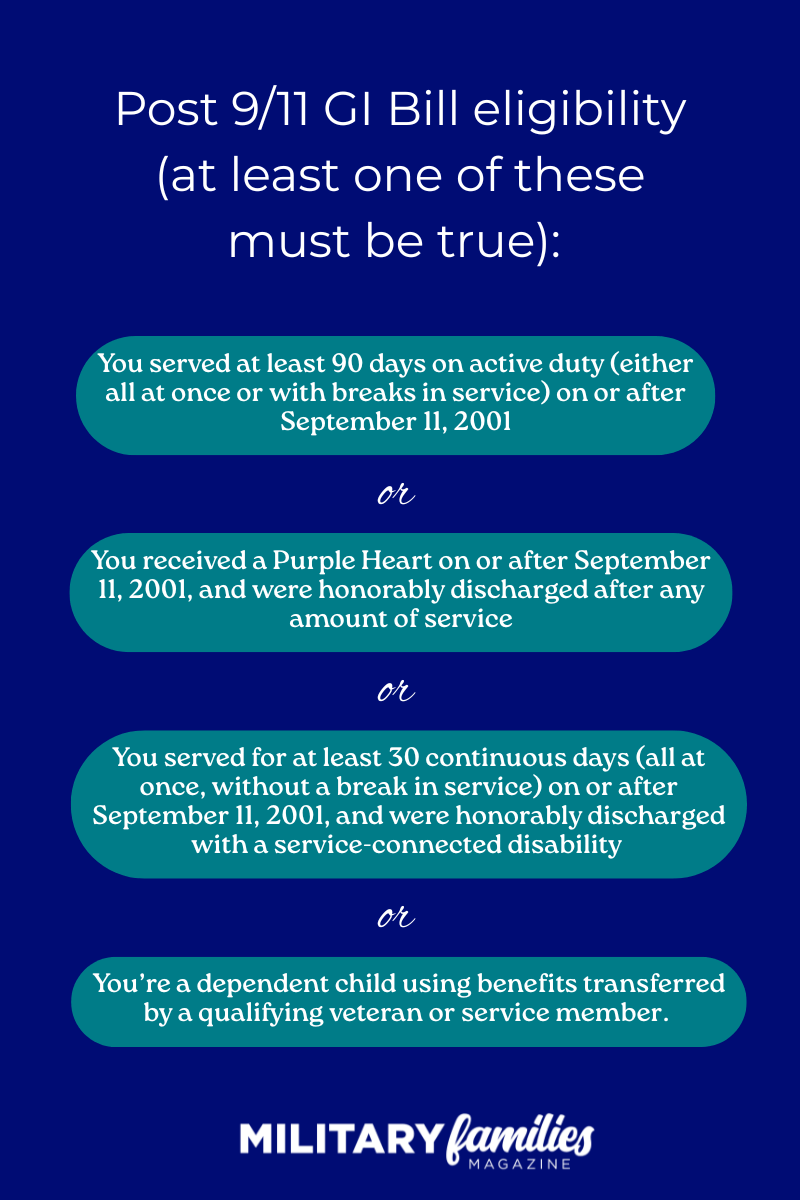
Christopher Otero obtained his own degrees using the Army’s tuition assistance program during his 22 years of service. So when his daughters went to college, he had all of his Post-9/11 GI Bill benefits available to transfer to them.
“If you’re a qualified service member, you can transfer all 36 months or a portion of your Post 9/11 GI Bill benefits to a spouse or child,” according to the VA website.
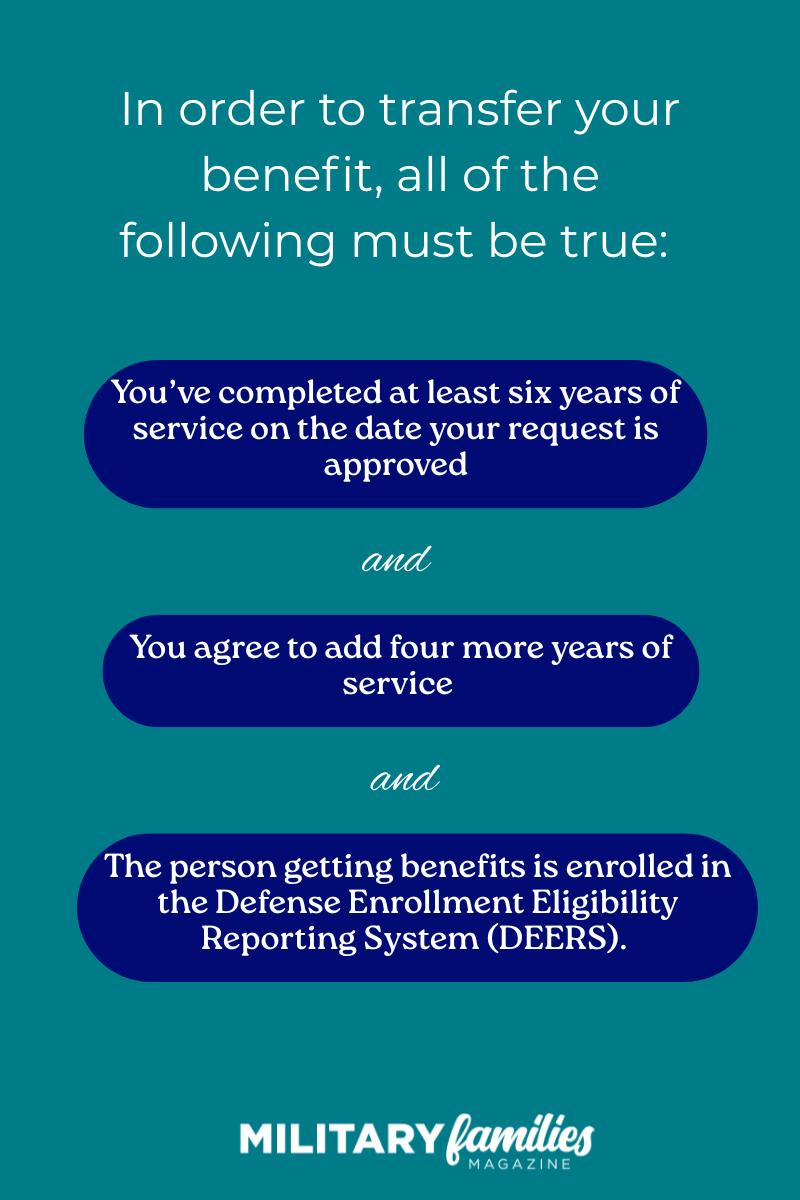
His experience with his older daughter, who attended community college, was extremely positive. With the assistance of the local VA, the process only took a month.
Helping his younger daughter, who began attending a public university last fall, was more challenging.
Otero predicted that cuts to the VA budget and new hoops to jump through would complicate things. So he began the process three months before school started. He hoped that would be enough.
It was not. Her benefits were not approved in time, and he paid for the first semester out of pocket.
“You need to strike early,” Otero said. “In this day and age, it’s going to take a long time.”
She received her approval in mid-October. The Post-9/11 GI Bill covers the cost of tuition at public institutions of higher learning in full.
Otero thinks experiences will vary between colleges, and veterans should prepare for that.
“Our community college has a lot of veterans, so they knew what to do and had an office set up. But the university did not. We actually had to educate them a little bit on how it’s done.”