

After having her second child, Stephiney Foley didn’t recognize she was in the grips of postpartum depression until it all came to a head. Living in Seattle, away from her family, she struggled silently, even experiencing suicidal thoughts.
“I thought, ‘Oh, this is just motherhood.’ I think I just accepted the status quo of the difficulty of it,” said Foley, who served active duty in the Army from 2009 to 2016. “I didn’t even realize I needed help until it was too late.”
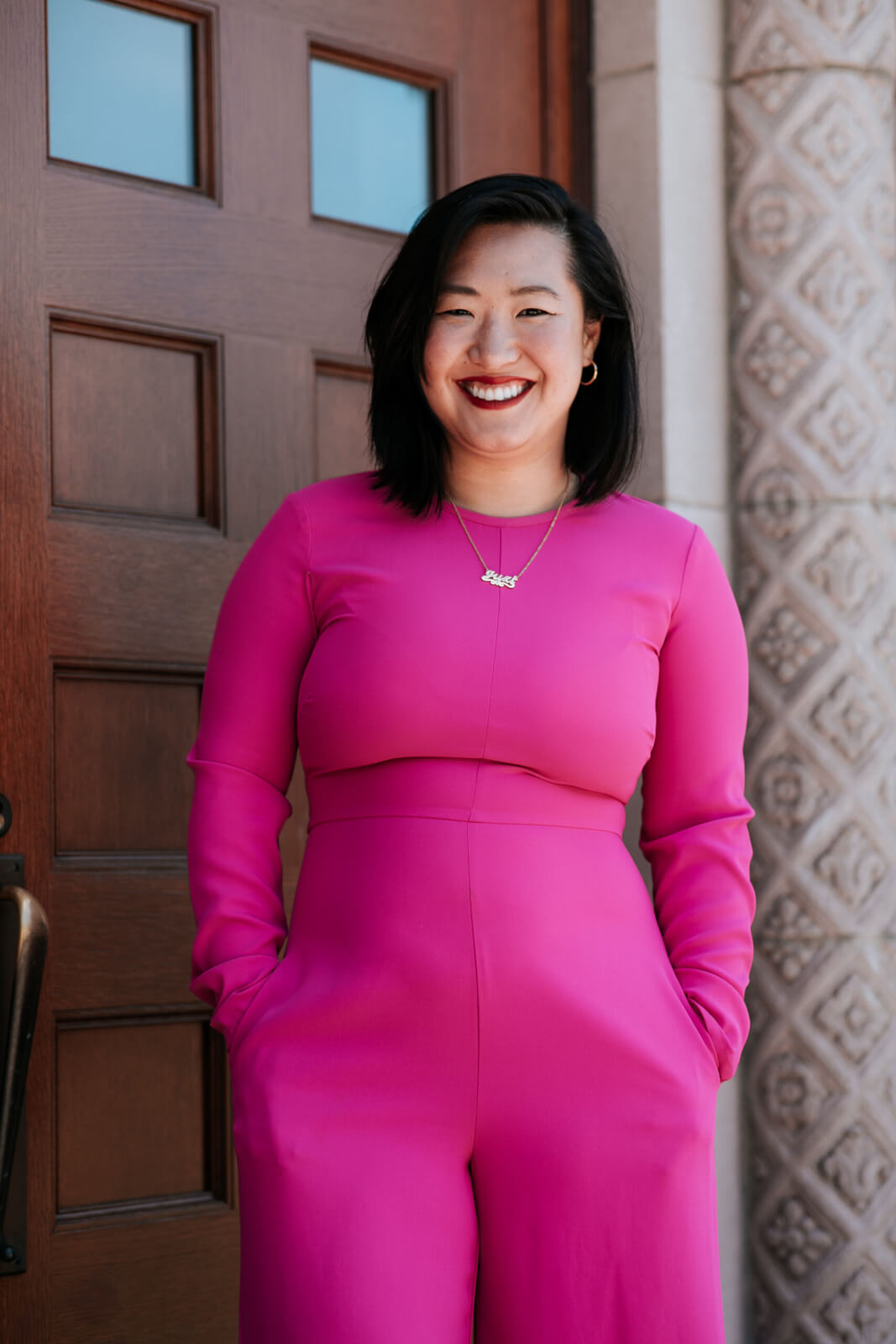
That experience reshaped her view of postpartum care. Instead of reactive, episodic support, Foley realized mothers need preventative, wraparound care, meaning support before challenges escalate as well as continuous help once they are postpartum.























She launched Yuzi Care in 2024, which began as a postnatal retreat near Seattle, a specialized getaway with continuous support from care professionals and a way to promote a restorative environment for healing in the weeks and months after birth.

‘Modern-day village’ — by algorithm
In an attempt to serve families on a larger scale, Foley’s venture has now pivoted from postnatal retreat to perinatal care platform. Yuzi Care now functions as a place where expecting parents enter their due date, location, budget and goals, and the platform’s algorithm generates a personalized care plan and connects them to vetted, certified providers. From doulas and lactation consultants to newborn care specialists and night nannies, Foley refers to this network of support as a “modern-day village,” a response to the growing reality that many parents are raising children far from their familial communities.
She says for military families, though, birthing and raising children away from family is not new; it is a long-standing way of life.
“We’re displaced from our natural support village,” Foley noted of military families.
To understand how this demographic of the population specifically fares in this landscape, Foley surveyed nearly 250 service members and their families about their postpartum-support needs. She received responses from enlisted and officer ranks from almost all military branches represented, along with military spouses. The data revealed systemic stress points.
“I think reading [the survey responses] made me realize that this problem requires really our policymakers and others really advocating for this and our military families to really stand up and ask for this type of care,” Foley said.
In response to the question, If postpartum support services were available, which would you find most beneficial?, “postpartum doula or caregiver support” topped the list.
Yet for many military families, access remains difficult, even with recent policy changes under TRICARE. Under the Childbirth and Breastfeeding Support Demonstration (CBSD), TRICARE covers some lactation specialists and birth doulas, but specific certification requirements must be met.
Foley and other military families argue that the coverage remains limited in scope and reach. Certified providers can be hard to find in some regions, and services are only covered when birth occurs outside a military hospital or clinic, which excludes many who deliver on installations.
For Amber Ortiz, an Army officer and mother of two, that gap was keenly felt. Her second child was delivered at a military installation hospital in a rural part of the country.
“I would have loved to have a nurse come to my house, to see my baby, to make sure we’re doing all the right things,” said Ortiz. “I see that those are benefits that civilian [insurance companies] pay for. I truly believe TRICARE can give us those benefits.”
Yuzi Care expansion
The CBSD runs through the end of 2026, at which time TRICARE will ultimately decide the future of these services. It is a decision that could have significant implications for the postpartum care of military families. In the meantime, Yuzi Care continues to grow. It is currently available in Washington state and soon expanding to Texas, a state with a sizable military population and notable maternal health needs.
Foley hopes that as Yuzi Care scales, it will not only directly support more expecting parents but also push policy and health systems to align around the wraparound care military families need and deserve.