


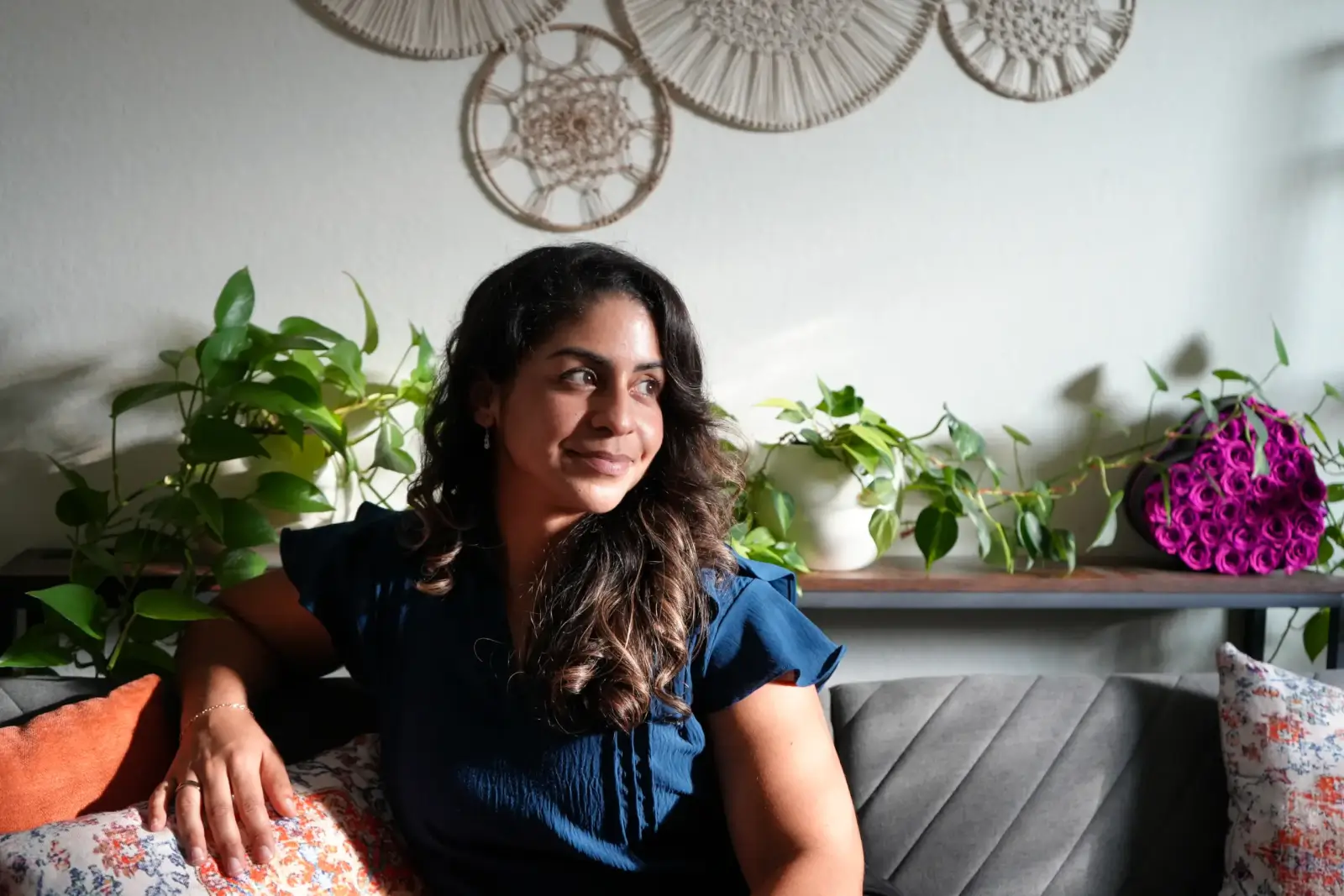
“At 18, I joined the military because I thought it was my only option,” Laura Morales said. “More than 20 years later, I left the military realizing just how many options I actually had.”
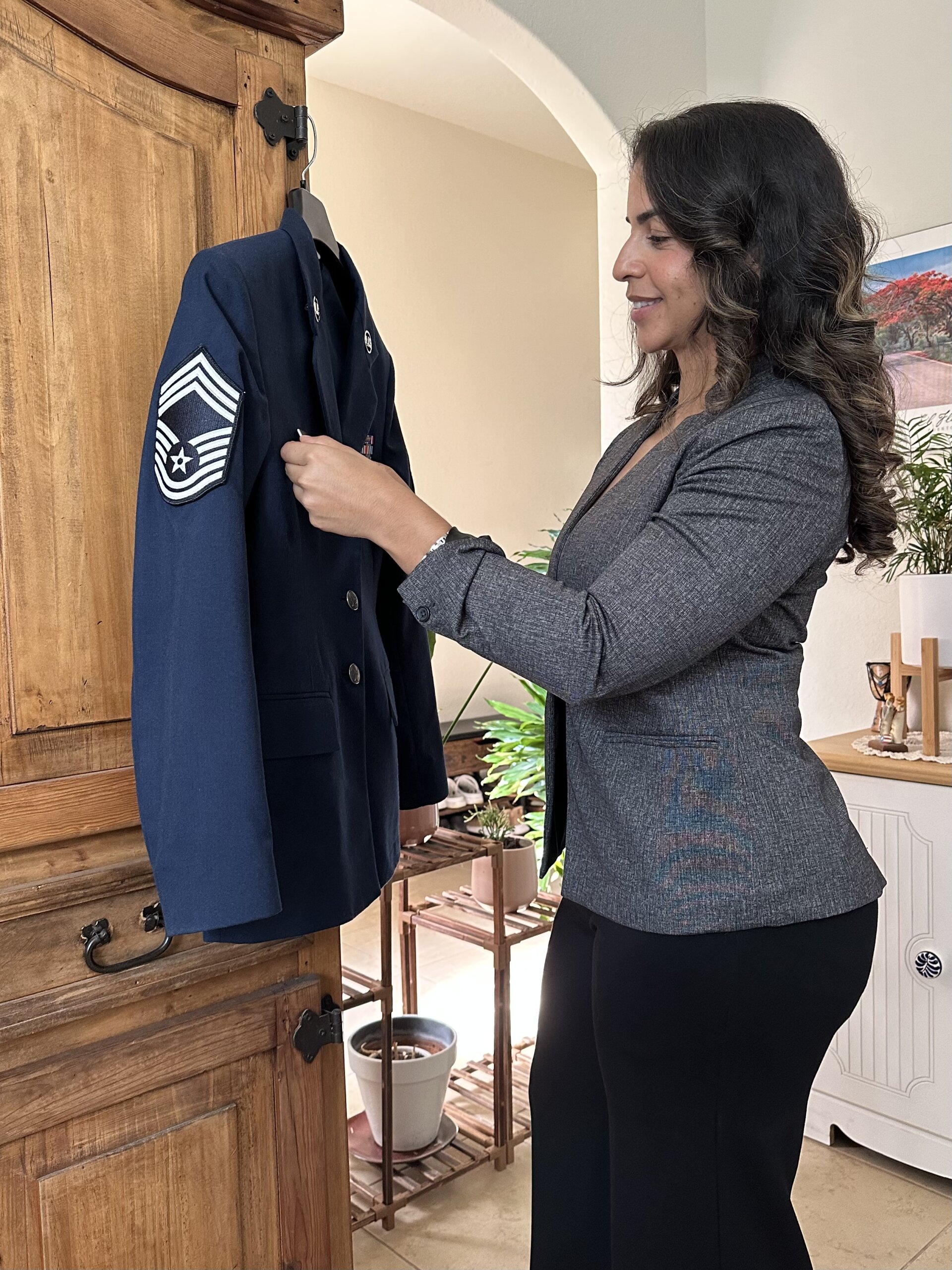
Growing up in a military family, Morales enlisted in the Army at 18. Over the next two decades, she left active duty to stay home with her young child, returned as a reservist and cycled through long-term orders, air reserve technician and Active Guard Reserve roles before retiring as an Air Force chief master sergeant.
“Transitions were woven throughout my entire military career,” she said.
Retirement brought more of the same. She stocked shelves at Walmart for two weeks — “my desperation move” — then taught ESL as a substitute, spent three months as a federal employee at Lackland, helped startups, and consulted for Cisco.
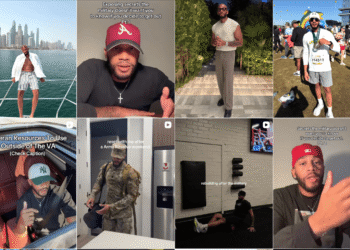
Now she’s sharing on social media what she wishes someone had told her.
More freedom to choose
“Your preparation determines your desperation,” Morales said.
While in uniform, she used tuition assistance, filed her VA disability claim a year before retiring, and paid down debt. When her mother became seriously ill, that preparation gave her the flexibility to leave Cisco and serve as her full-time caregiver.
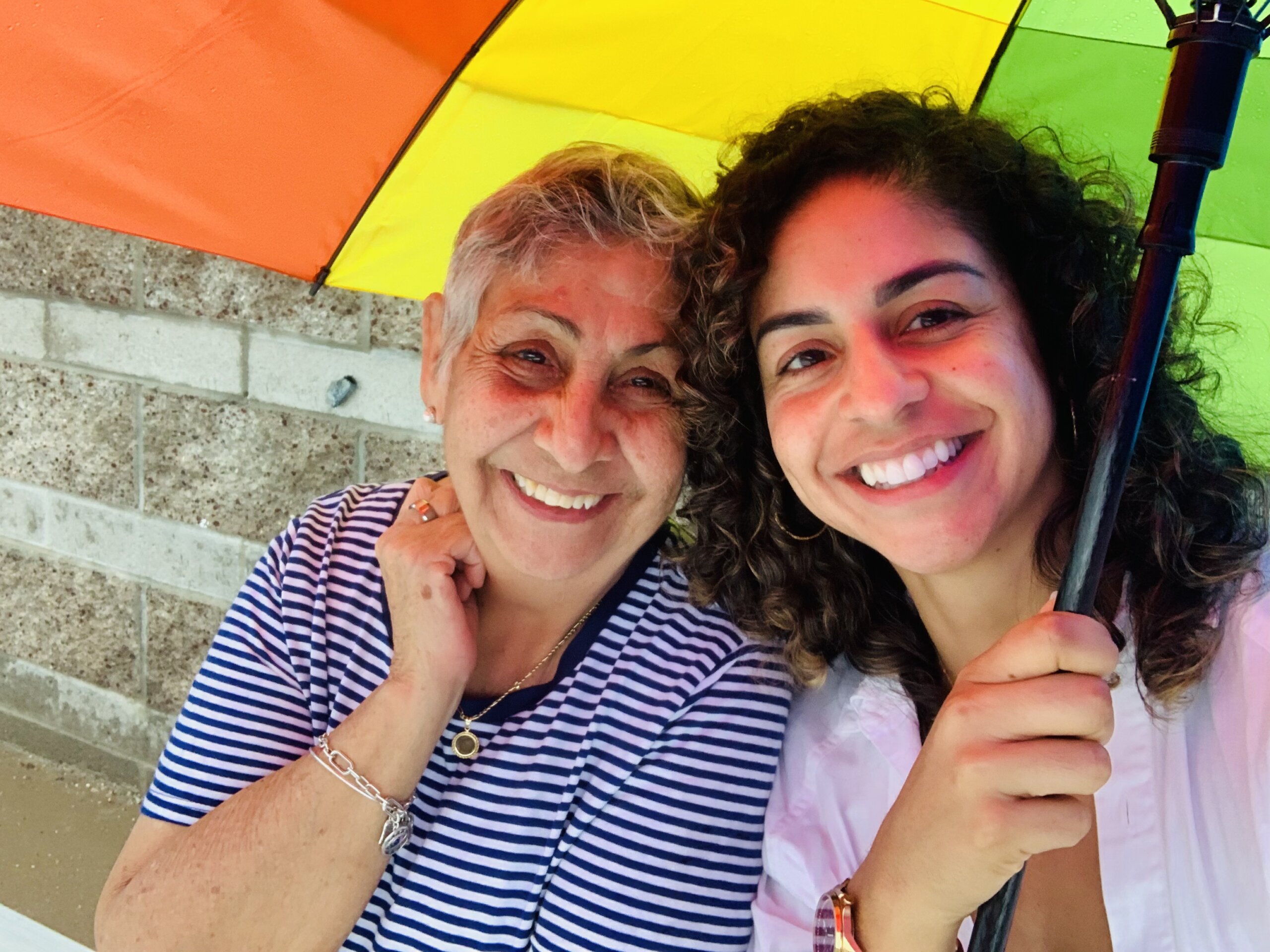 “Preparation didn’t tell me what my future would look like,” she said. “It just gave me more freedom to choose when that future changed.”
Military separation offers something many civilian transitions don’t: prep time.
“You know when your reenlistment is coming,” Morales said.
Don’t put yourself in a box
Transition programs do well in preparing people on paper, she explained, with resumes and interview practice. But “it’s not just about finding a job. It’s about finding out what you actually enjoy doing, what brings you purpose.”
That search can take a month or years, and she wants people to stop treating the first job as a verdict.
“You are not a failure if you don’t get it right the first time,” she said. “There is no right.”
It also means leaving some military expectations behind. At Cisco, she reminded herself that “just because someone didn’t approach the situation the way I would have in the military, that doesn’t mean that it’s wrong.”
What stays is what service members have already proven.
“We made it through basic training. We adapted to new duty stations. We dealt with deployments. These things don’t disappear when we take off the uniform.”
For many veterans, purpose still looks like service. Morales once traveled the country as a Yellow Ribbon coordinator teaching resilience to airmen.
“The way I serve has changed, but the desire to help others hasn’t,” she said.
Someone to talk to
“I just wish that these were things that people shared when I was transitioning all those times,” Morales said of why she started posting on Instagram. “I get DMs every day. Like, ‘Hey, I just need someone to talk to,'” she said, then paused.
“Oh, I’m going to get emotional because I love being the person to be able to just identify with them.”
She knows well the hesitation to reach out for help.
“Military members are terrible at asking for help,” she said. “It still is kind of hard for me, because we’re so accustomed to being the person who just handles everything.”
That’s the role she wants to fill on Instagram and through Enlisting in Corporate America (ECA), a career and leadership platform she recently launched for service members, veterans and military spouses. Leaving the military, she wrote, means learning “an entirely different professional culture,” including how to “communicate your value, network, understand corporate language, navigate hiring and sometimes figure out what you even want your next chapter to look like.”
The work runs in both directions. Veterans bring “leadership, adaptability, accountability, problem-solving and experience,” she wrote, “but those skills don’t always translate neatly onto a civilian resume.”
Her short version: “ECA helps military talent understand Corporate America … and helps Corporate America understand military talent.”
“I want to be that resource provider that they can always lean back on,” she said, so people can say, “Maybe Laura doesn’t know exactly the answer, but she knows someone that does.”
Her invitation is open. “I hope that people would just hit up @its_lauramorales [for support],” she said. “I hope that they never forget that.”
Head to Instagram to follow Morales for advice and support during military transition.
Read comments