


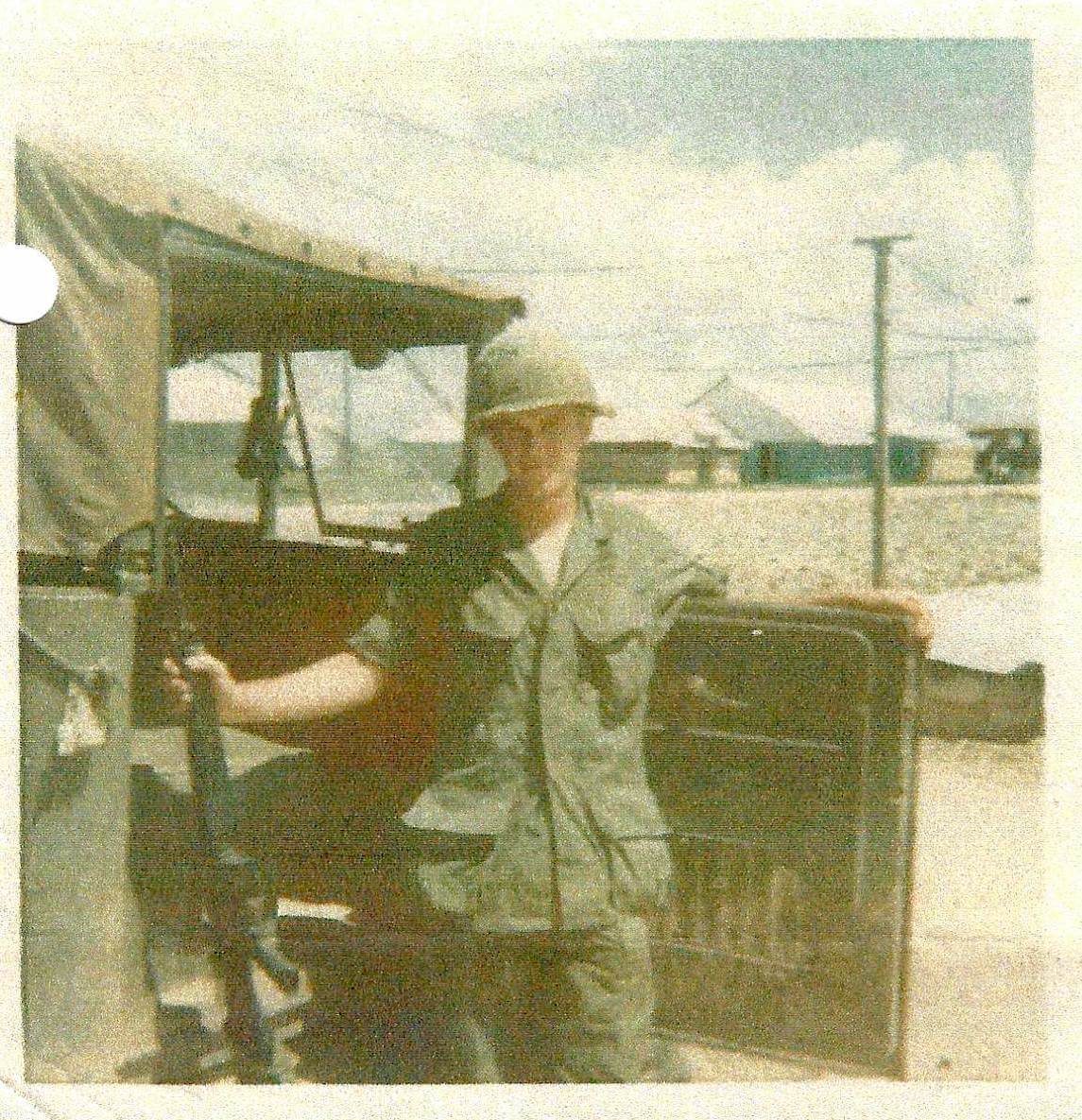
Earlier this year in Vietnam, 78-year old Army veteran Larry Dobesh broke a stick and hung it in a tree. He explained that 60 years ago during the war, it was a warning sign he and other Americans would leave to alert their brothers in arms. The simple limb cautioned of trap pits filled with punji stakes placed by the Viet Cong.
A combat infantry corporal with the 25th Infantry Division, 2nd Battalion, 27th Regiment “Wolfhounds” during the Vietnam War, Dobesh said he and other soldiers were always observing the landscape to see if there were hidden clues, such as broken sticks in trees. Because of these symbols, lives were saved.
“Imagine if you’re alone in the jungle, or when you’re patrolling around and you fall in here and it closes with nobody behind,” a Vietnamese guide at the Củ Chi Tunnel Complex explained as he pushed on the punji stake trap to demonstrate it swinging open. “It’d be a nightmare.”





















Vietnam Revisited
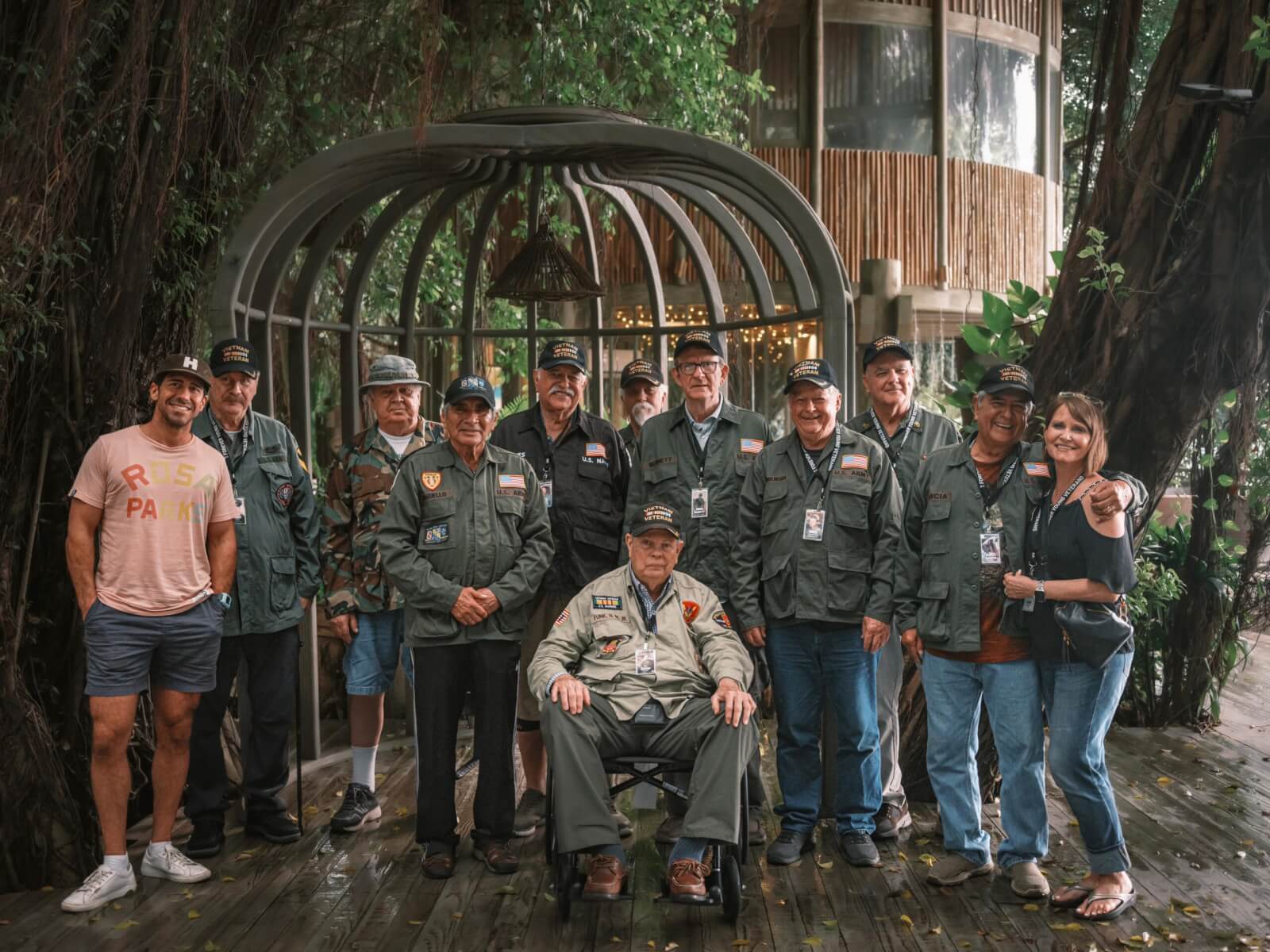
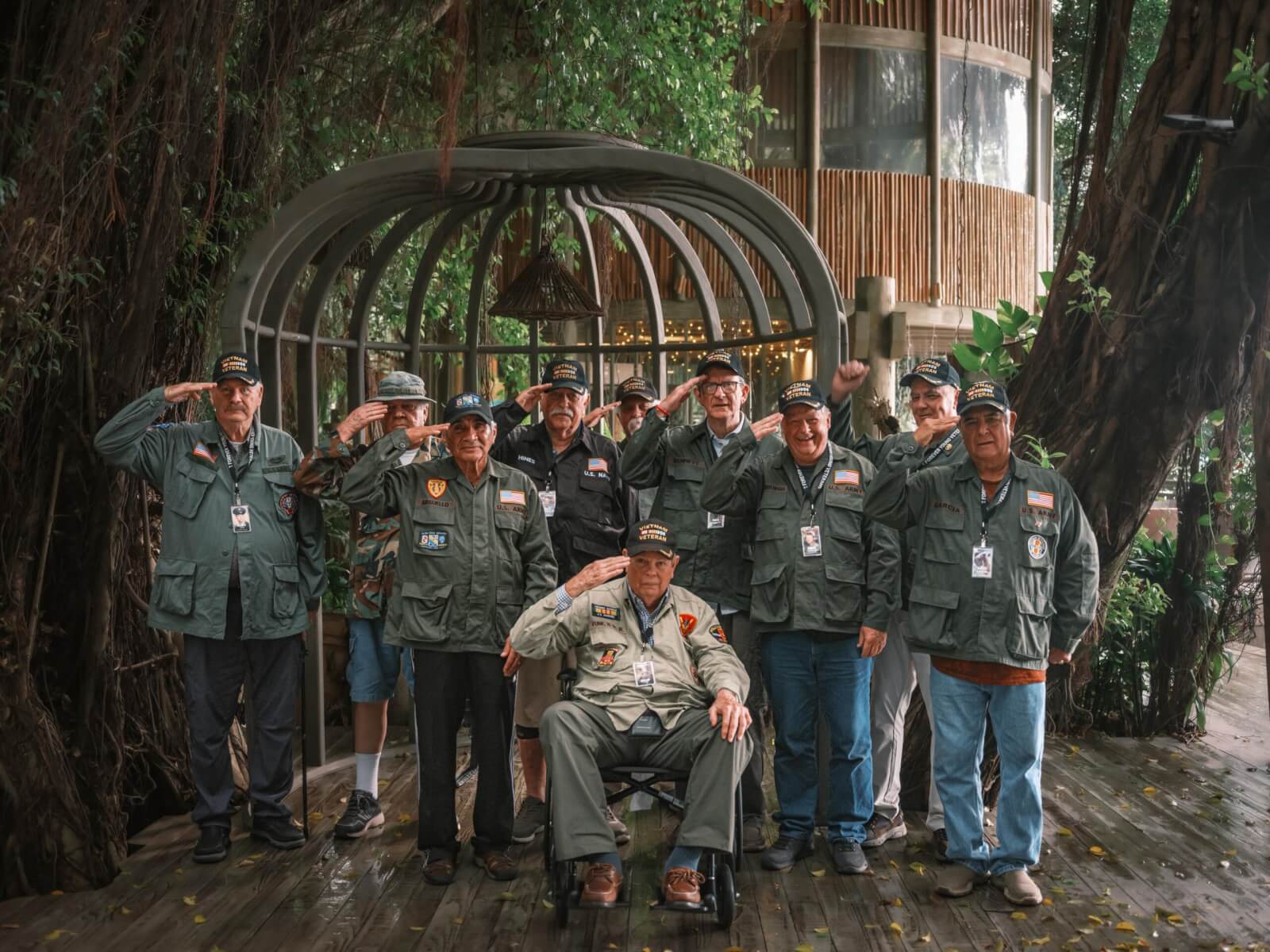
In March, Vietnam Revisited, an Eagle Society initiative tied to America’s 250th anniversary, took Dobesh and other veterans to Vietnam to visit Hanoi, Da Nang, Huế and Ho Chi Minh City — all places where Americans were involved in key conflicts during the war that lasted nearly 20 years.
“It was very healing for them to go back, much more than I expected, honestly,” said Diane Hight, who joined the trip.
Hight founded Forever Young Veterans, which organizes and funds return trips to historic battle and service sites. Though the nonprofit is in its final year, it began because of her father, Leland Olinger, a World War II veteran. He became an alcoholic upon his return from war; Hight was only 25 when he passed away, but even as a little girl she knew he suffered — even if she couldn’t fully understand the toll his service took on him.
“That’s how it started, because my dad had never asked for anything from our country, and I thought, if I can just bring some joy to them,” she said.
Through her organization, she met veterans and thought, “You’re just like my dad.” She admitted she thought her family was alone in their suffering. Now, with few WWII veterans left, she’s extended her support to veterans who served in other wars.
“When they were fighting in Vietnam, they’d experience the death of their comrades, fear, and destruction,” Hight said. “In their minds, they think they are returning to the same place. However, when they arrive, they see a beautiful, restored land and kind people, which helps bring healing in their lives.”
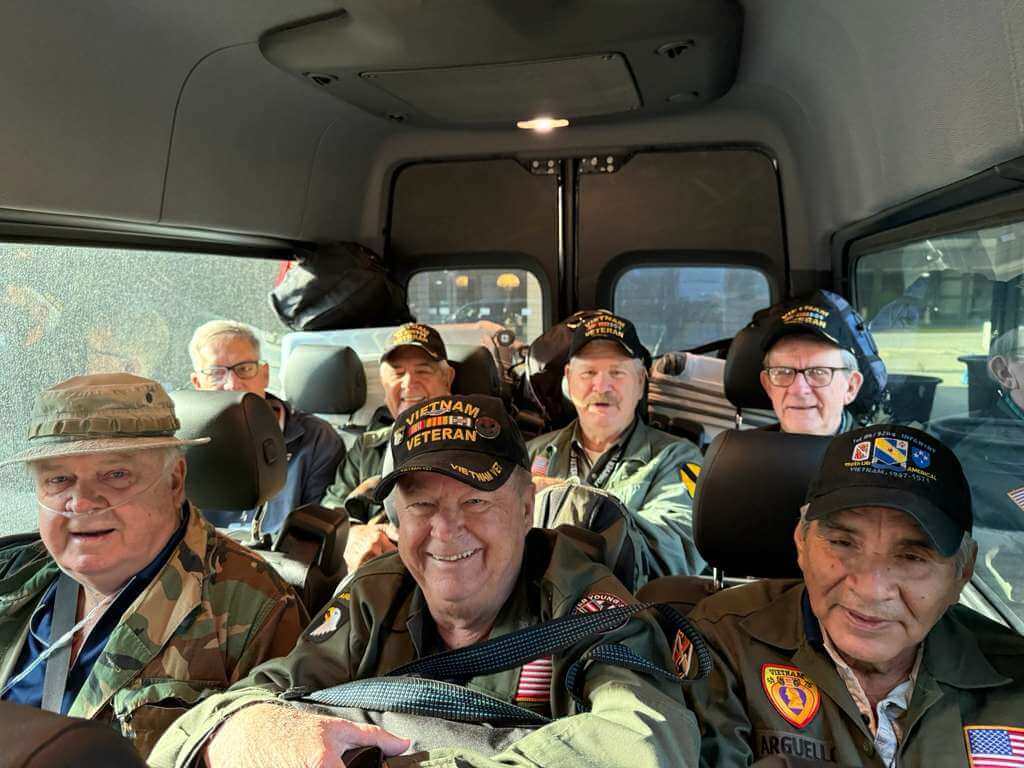
Eagle Society Founder Michael Davidson said there is something that happens to the veterans when they put their feet back on the ground, smell the air, and hear the sounds of the country — and do it all alongside people who understand why it matters rather than talking about it in a cozy room.
“We try to create the conditions for veterans to release what’s been too much stuffed down and relegated for too long,” he said.
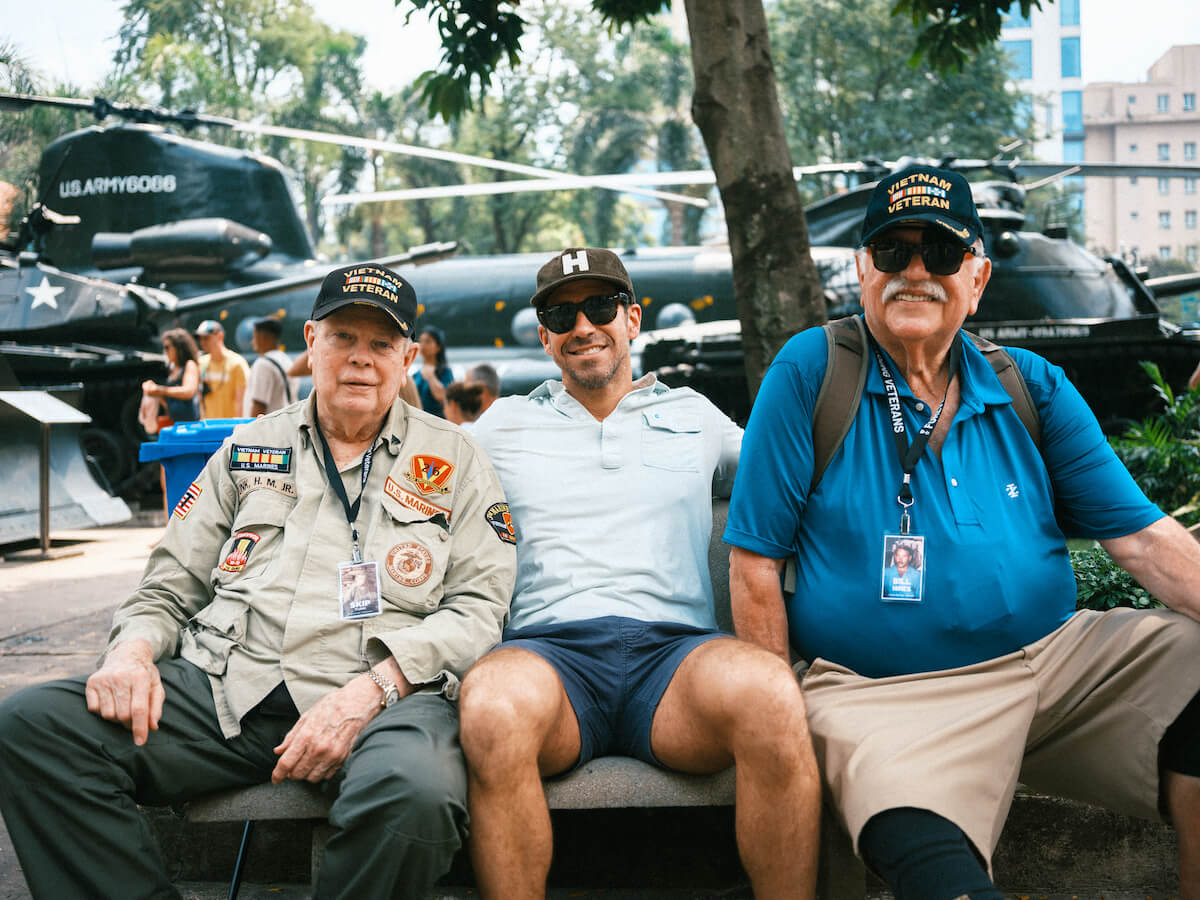
The Vietnam War era is tangled up with other issues: race, class, changing culture, generational transfers, and a crisis of trust in institutions. Davidson said three pieces — the moral fog, the homecoming, and the way the country processed it — make it harder for the veterans to talk about their experiences openly, but also what makes Eagle Society’s mission distinct.
“Our job is to create the space and resources for them to walk their own path,” Davidson said.
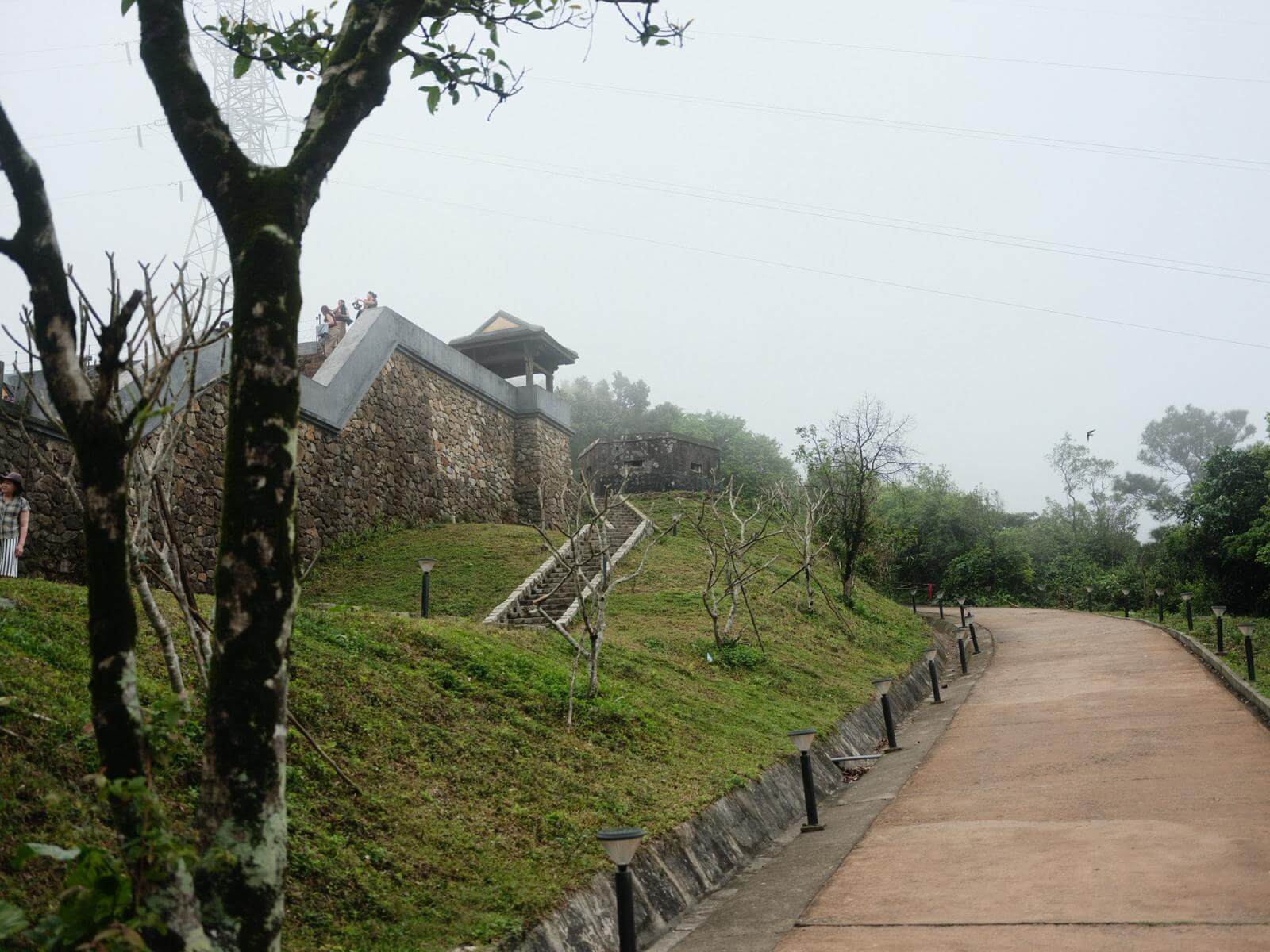
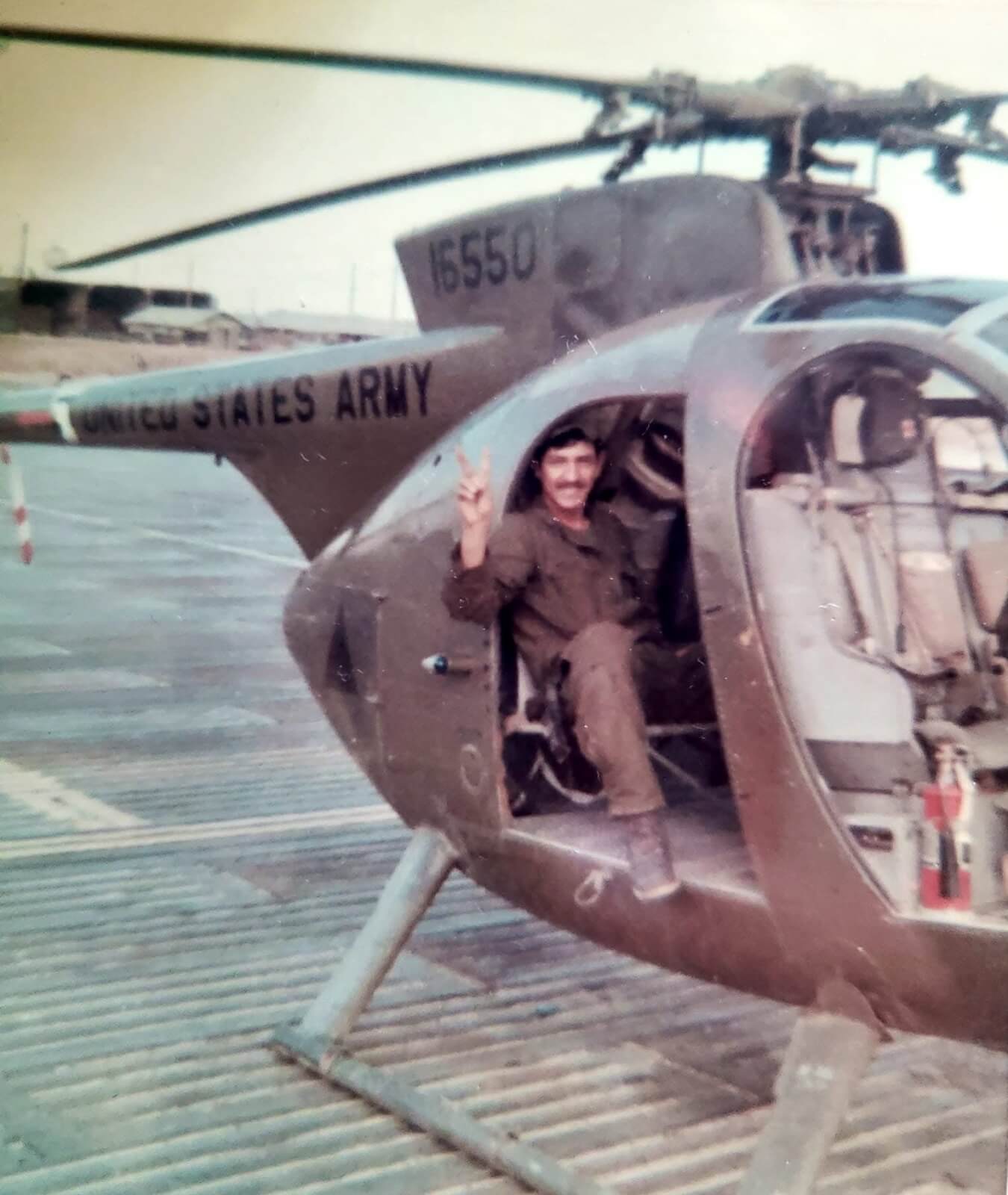
Veteran Abel Garcia, who served with the 101st Airborne, 159th Aviation Battalion, shared some memorable moments of the trip.
“When we were in Da Nang, a young man came up to me and said ‘Can I shake your hand?’ and I said ‘Of course, but why would you want to do that?’” Garcia recalled. “He said, ‘I want to thank you for your service.’ It was very humbling. It took four years for anyone to say that to me in my country.”
During the farewell dinner in Ho Chi Minh City, Garcia explained the healing that overcame him when he was told by a local: “You are always welcome in Vietnam.”
“It’s like having a box that I put pain in, death of my comrades, fear, anger, returning home to an ungrateful country, nightmares, combat stress, and it goes on and on,” Garcia said. “The box has become very heavy, but coming back, I see a kind and happy people who look to the future, no hate but respect. I have a peace that I didn’t have when I came on this trip. It doesn’t replace what I experienced the first time, but it does give me peace.”
“Now, I’m going to take this box of pain and let it go. I’m finally going to live my life.”
‘Look at the new and forget the old’
Jerol Arguello, 76, didn’t talk about his war experience for the first 30 years after he returned from Vietnam. He said when he tried to talk to his younger brother, that “he thought I was making up stories.”
“And so I just, I just shut down.”
Arguello’s sister asked him one day if he would ever go back to Vietnam, to which he replied, “Why would I want to go back to death?”
But when Hight called and the possibility of returning to Vietnam became more than a hypothetical, Arguello took a little more time to think about his answer.
“It’s one of those things where you have to think to yourself, ‘Okay, we have to get rid of the past and get the new in.’ So I told her, ‘okay, my objective is, if I go over there, it’s to look at the new and forget the old,’” Arguello said.
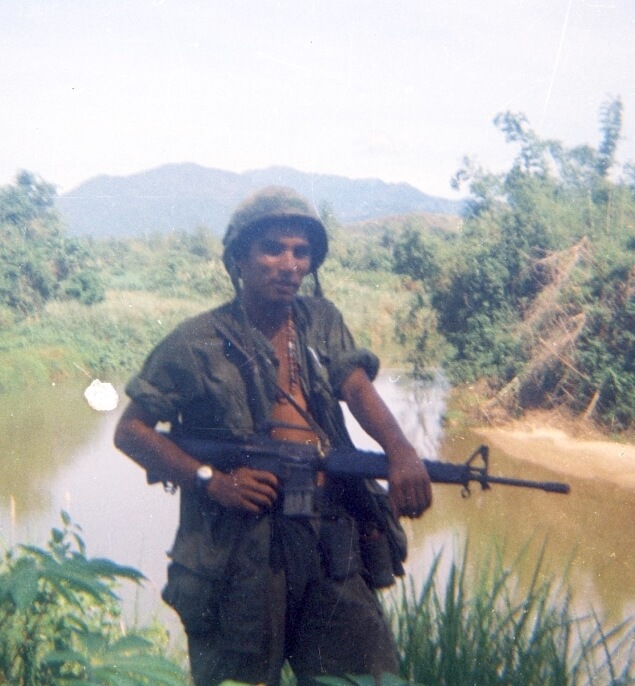
The recent trip to Vietnam versus the last time he was there, he said, was “like day and night.”
Even when going through customs when he and the group landed, Arguello thought to himself how this trip was already different.
“In ‘69 when we got off the plane, we got in at night because they were getting mortared,” he told Military Families Magazine. “[My friend] Mike and I got off the same plane, we were quickly moved over an area in Cameron Bay with other soldiers, got in line and we were given roll call. In ‘69, it went pretty quick.”
Arguello served in Vietnam from 1969 to 1970 as an Army infantry soldier with the 198th Light Infantry Brigade, 1st Battalion, 52nd Infantry Division.
“My first experience when I got to Chu Lai, they put me on a helicopter after they gave me my weapon and my backpack and all my accommodations,” he said. “That was my first experience on a helicopter, and my first time to be in an area I didn’t understand.”
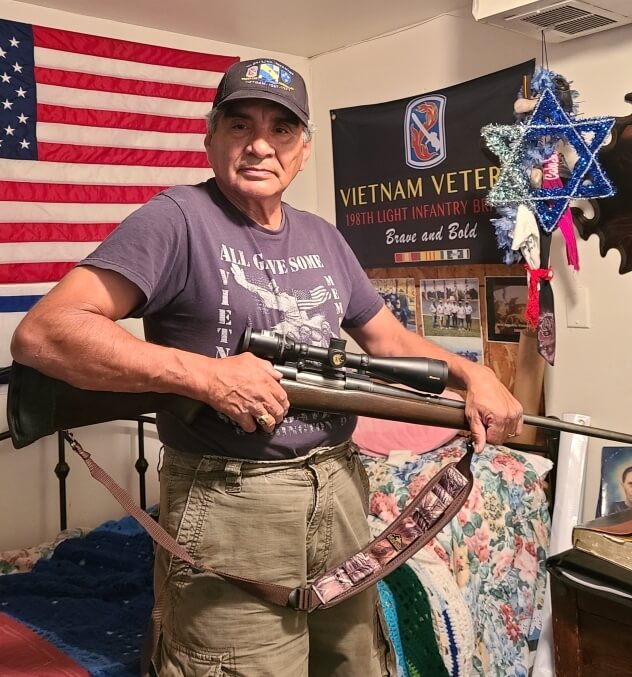
Arguello admitted that during the trip, he would have liked to visit the jungle where he was during his mission. There were still many sites which jogged his memory of his time in the war, though. Arguello said the booby traps and underground bunker triggered memories of when he was wounded while walking in a North Vietnamese Army base camp. He said as he advanced into a bunker complex, he threw a grenade inside, and after nothing seemed to happen, he moved forward. An explosion went off, wounding him with shrapnel and badly injuring several others.
He reflected that he was lucky to be the first hit, or it could have been worse, and said this bunker truly brought the past flooding back because it looked just like what he saw from his time on the ground the first time.
“I’m glad that these organizations are able to help veterans do whatever they need to do to get back to reality and work their way through their lives,” Arguello said. “I got a lot out of the trip. It helped me a lot to converse with these guys that I didn’t know [before the trip], and also the sponsors.”
‘It’s better than it was’
Rudy Dixon served in Vietnam from July 1970 to July 1971 as part of a reconnaissance team in the 1st Division, 52nd Infantry Brigade. He said the team had a 65% casualty rate.
He struggled with post-traumatic stress after his return, and even said he and his wife began sleeping in separate bedrooms because of his nightmares and things he’d do while asleep.
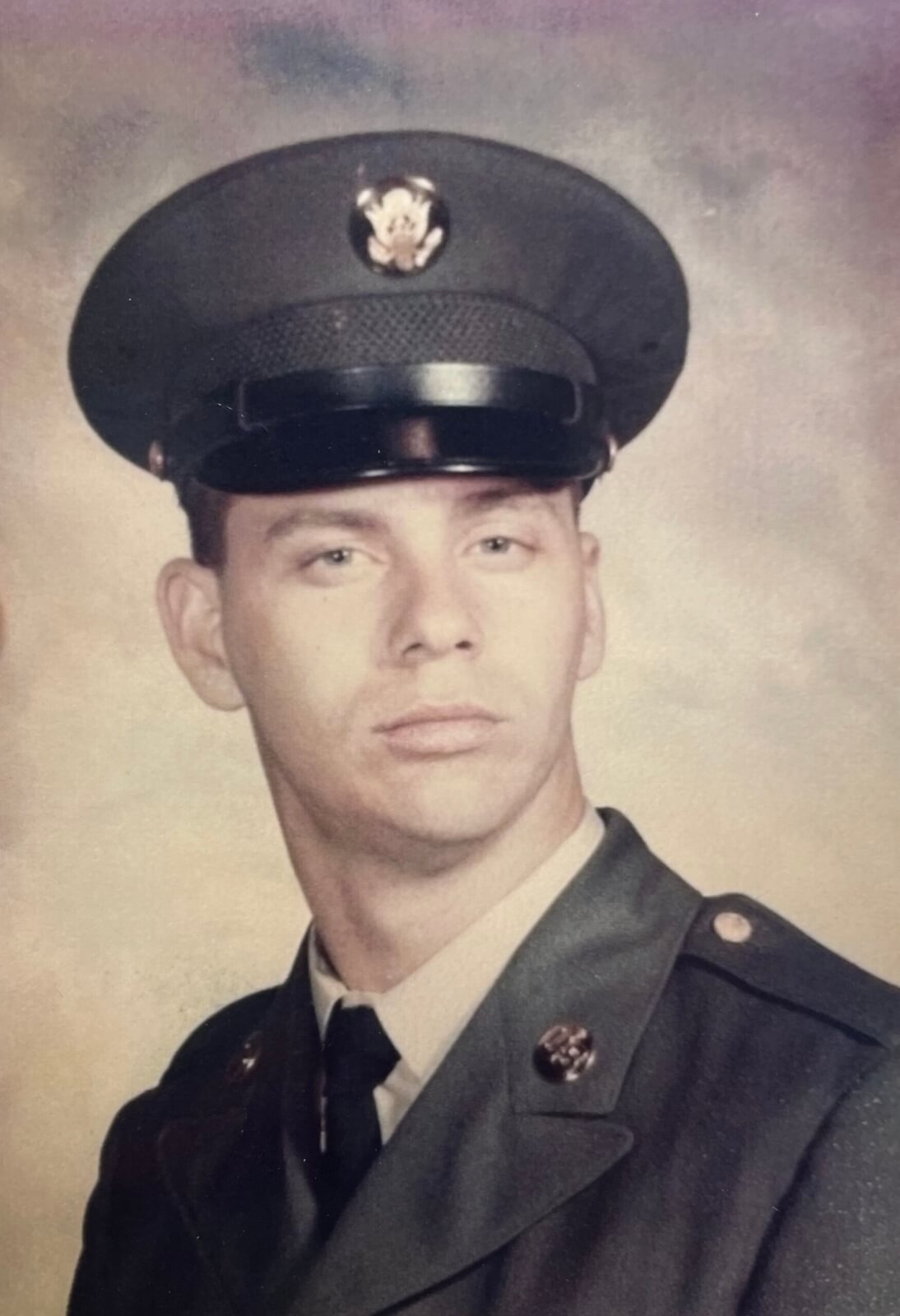
Since linking up with Forever Young Veterans and connecting with his fellow Vietnam veterans through the organization, however, he said the episodes have subsided.
“They tell me their experiences and say things like, ‘I know what you’re going through,’” Dixon said. “Seems like that’s helped a lot.”
He admits he didn’t contribute much during the time for reflections on the trip, but instead took time during the trip back to Vietnam to sit back and listen to his fellow veterans.
“It made me realize I ain’t the only one that was crazy,” he said. “I can talk to other veterans a lot better than someone that’s never been there.”
Like Arguello, Dixon said he served in the jungle and wasn’t very familiar with a lot of the areas they visited during the trip. What he valued most was the connection with his brothers.
“When we came home, most folks didn’t want to hear about it. They wouldn’t agree with it, and for some reason, they blamed us for the war,” he told Military Families Magazine.
Since talking about it with other veterans, and even seeing Vietnam today, Dixon said there has been an unburdening.
“It is better, it’s better than it was,” he said.