


I’ve had my dukes up defending against the military-spouse label for years now, tearing up the “dependa” stereotype and fighting to be seen as a co-pilot in a shared life. I have always felt like I had to fight for my own existence in the military world, and I refused to get swallowed up in a life that was already so damn consuming.
We sign up for the ride alongside our service members, sign the marriage certificate, and BAM, suddenly we’ve joined a government-sanctioned sorority with way less fun and a lot more wine. Before we know it, we’re in the thick of it: moving all the time, making new friends, finding new jobs, and reinventing ourselves over and over again. Our life becomes whatever the military says it is. The reality of carrying it all alone hits ya hard and fast like Murphy’s Law the second your service member walks out the door.
I realized over the past 14 years that my idea of what a military spouse is—and does—was shaped by all the noise. I was either too dependent on my military member and needed to build my own life outside of my role as a spouse, or I wasn’t involved enough. I was constantly torn between fighting for my individuality outside of the label and feeling guilty for being the stereotypical spouse who also loved the military life. I married my middle-school sweetheart at 19 years old and immediately moved overseas, diving headfirst into the military pool. My identity was formed by the role before I even knew who I was or what I wanted in life.





















Talk about a big dark hole I needed to find my way out of.
I am my own independent woman, dammit, and I will die on that hill. But at the same time, I am head-over-heels in love with my Air Force husband. Loving him doesn’t cancel out who I am—it makes me a damn proud military spouse, and I will defend that title just as fiercely.
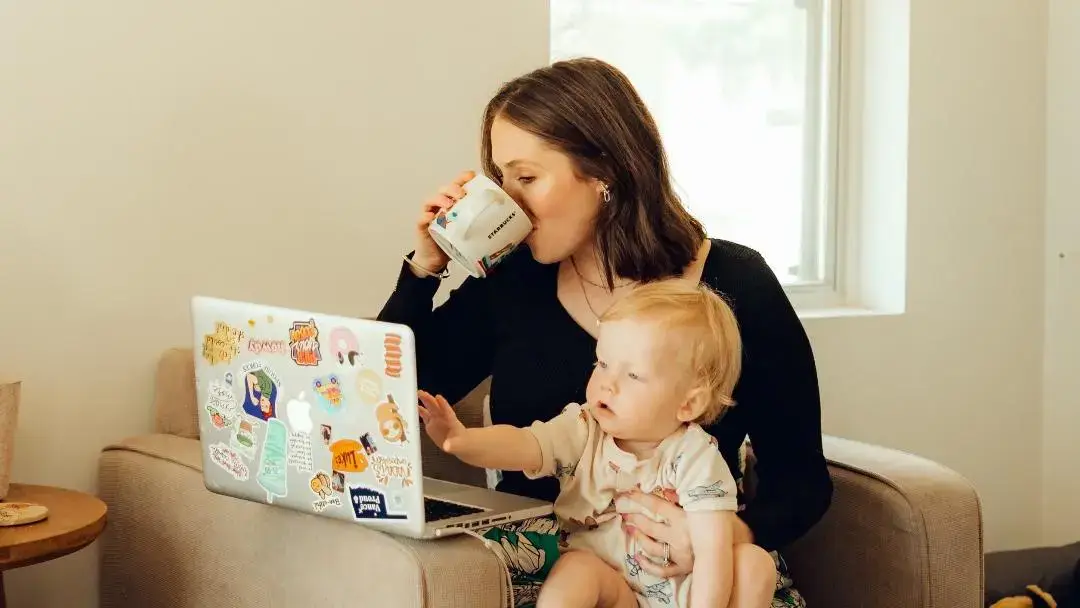
Fighting for my own identity made me realize just how bruised the rest of the spouse community was, too. We were all reacting to the same cultural hangover. After decades of being mocked as helpless dependents, rank-chasers, and internal jokes, spouses pushed back. But the pendulum swung too far. In our rush to prove we had our own lives, disassociating from military culture completely became the new defense mechanism.
Out of survival and fear of losing ourselves, we carved our own identities outside the gates, far from base. We then felt the need to prove that we aren’t “that spouse” who drives around with the bumper sticker or attends every squadron function or promotion ceremony. We wanted to prove that we weren’t some damsel in distress who needed saving, aka that big fat juicy paycheck with free health insurance and housing *wink wink*. We were the ones doing the saving.
But in the fight, I think we may have missed the whole point. In our rush to distance ourselves from the submissive 1950s domestic trope of the smiling homemaker, we lost something. We can reject those outdated domestic expectations without throwing out the very sisterhood, pride and front-porch village that keeps military families alive through difficult times.
Because playing the unbothered, ghost-protocol spouse doesn’t actually liberate us; it leaves our families standing out in the cold with zero cover. Treating the military community like a joke has real, devastating consequences beyond friendship and daily emotional support.
Chief of Space Operations Gen. Douglas Scheiss recently laid out the nightmare of what can actually happen when spouses are completely severed from the military machine. During this year’s Air & Space Forces Association conference, Scheiss explained that a service member had died in Syria but no one could reach the spouse because the number on file was his own, Military Times reported.
When you fall through the administrative cracks—whether by choice, ignorance, or an operational mess-up where someone leaves your name off the contact sheet—you don’t just miss out on coffee dates; if the worst possible news hits your front door, you get locked out of casualty notifications, emergency lifelines, and legal protections.
Choosing to stay plugged in isn’t just about survival on paper; it’s about carrying genuine pride in being a military spouse. Let’s face it: military life is not for the faint of heart and not everyone can hack it. To stand shoulder to shoulder with someone willing to sacrifice their life is a freakin’ badge of honor.
We let the negative narrative convince us that showing up is embarrassing. We act like wearing the squadron shirt or tearing up at a ceremony makes us an outdated cliché. To hell with that. Backing your service member with everything you’ve got isn’t weakness, and it isn’t dependent: it’s fierce, it’s loyal, and it’s earned.
Two things can be true: community and independence are not mutually exclusive. There’s no shame in that game. We’re not stripping down—hell, if anything, we’re gearing up. Strapping on the tactical vest with pockets loaded with baby wipes, a fresh roll of packing tape, and zero patience for internet trolls who think loving your service member makes us weak or less ourselves.
Being surrounded by so many other kick-ass and amazing military spouses should only fuel our fire and build this community. But when we get caught in the trap that being a part of military culture is something to be ashamed of, we fall for the idea that liberation will somehow make us stronger when in reality, it only isolates us.
We need each other, and if you’re not feeling all that “military families are resilient” talk, let me just remind you that you’ve come this far. You are crushing it even though at times the weight may feel like it’s crushing you—but you’re here. Whether we want to admit it or not, we are strong as hell because there’s simply no other option; we just do it. We are not falling into some submissive outdated housewife trope by waving the flag when supporting our service members; we’re forging a community that allows this life to feel a little lighter.
Loving a service member, loving your independent self, and loving the home front community can exist, proudly, in the exact same person.